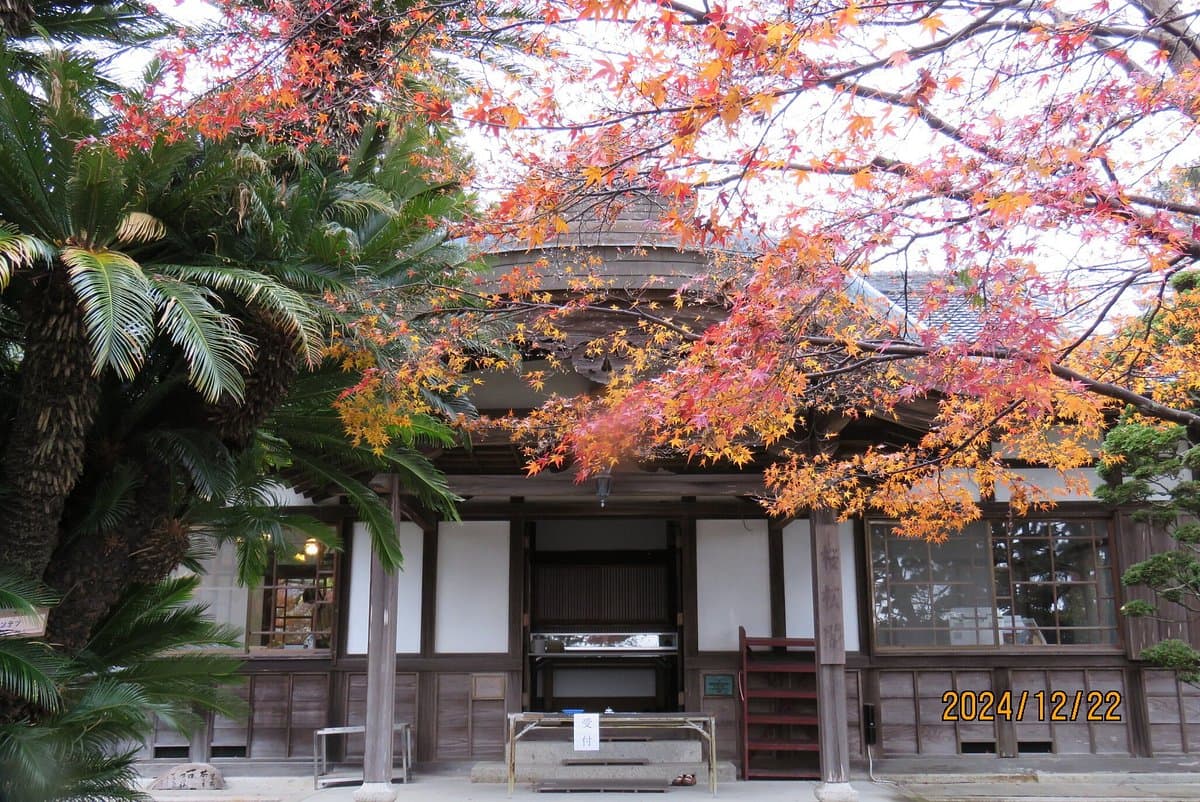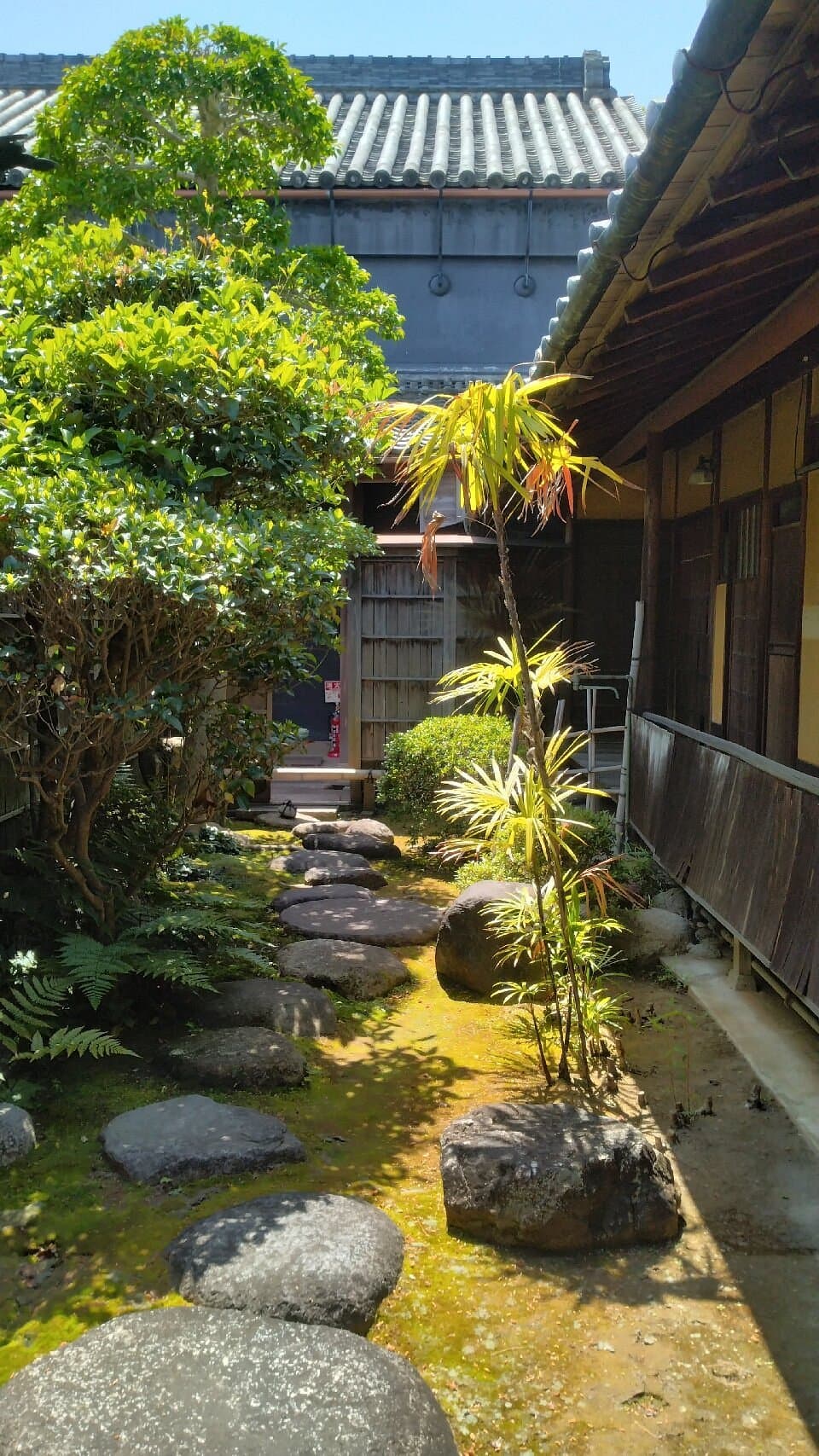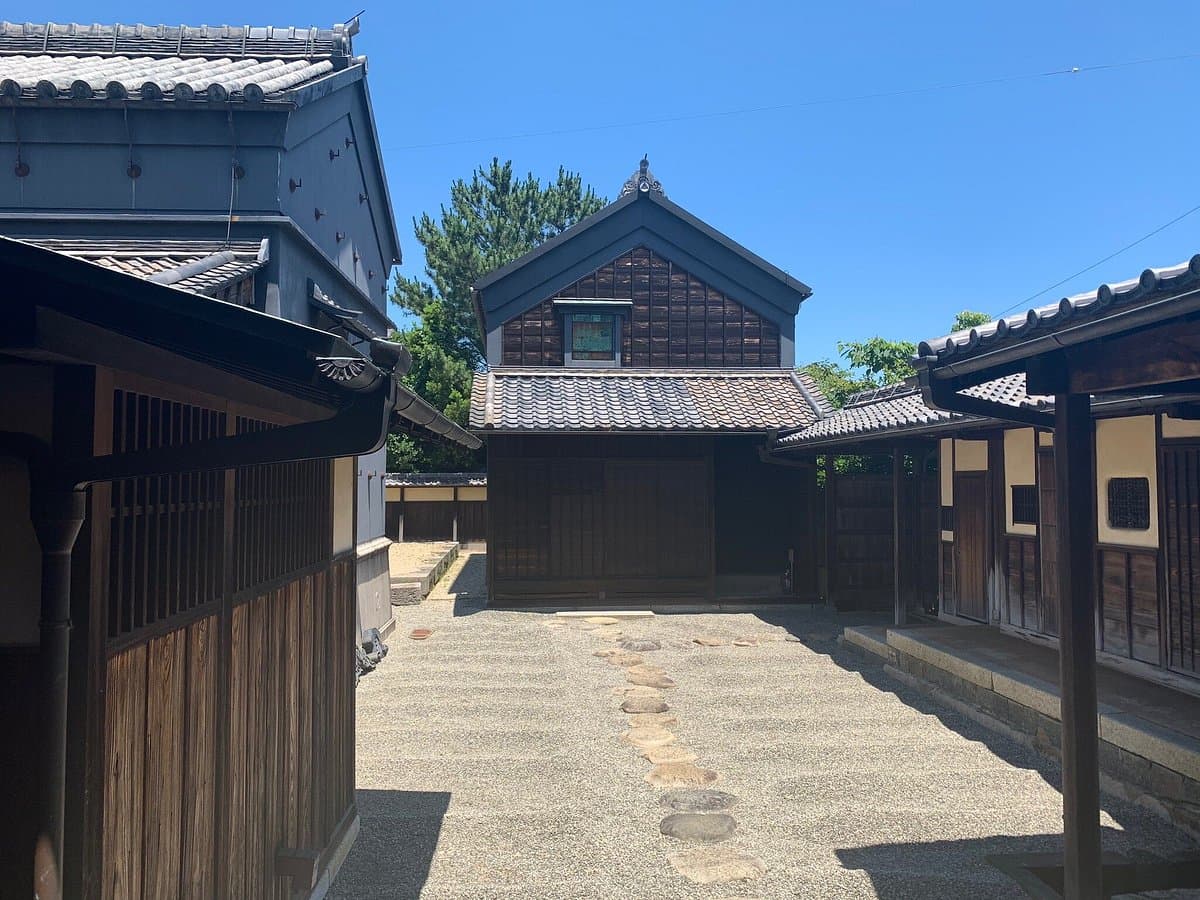
Gojoban Yashiki, meaning 'Guard House Residences', is a rare and significant historical site in Matsusaka, preserving the living quarters of samurai who guarded Matsusaka Castle during the Edo period. What makes this site particularly unique is that, unlike many historical reconstructions, these houses are still inhabited by the descendants of the original samurai families, offering an unparalleled sense of continuity and authenticity.
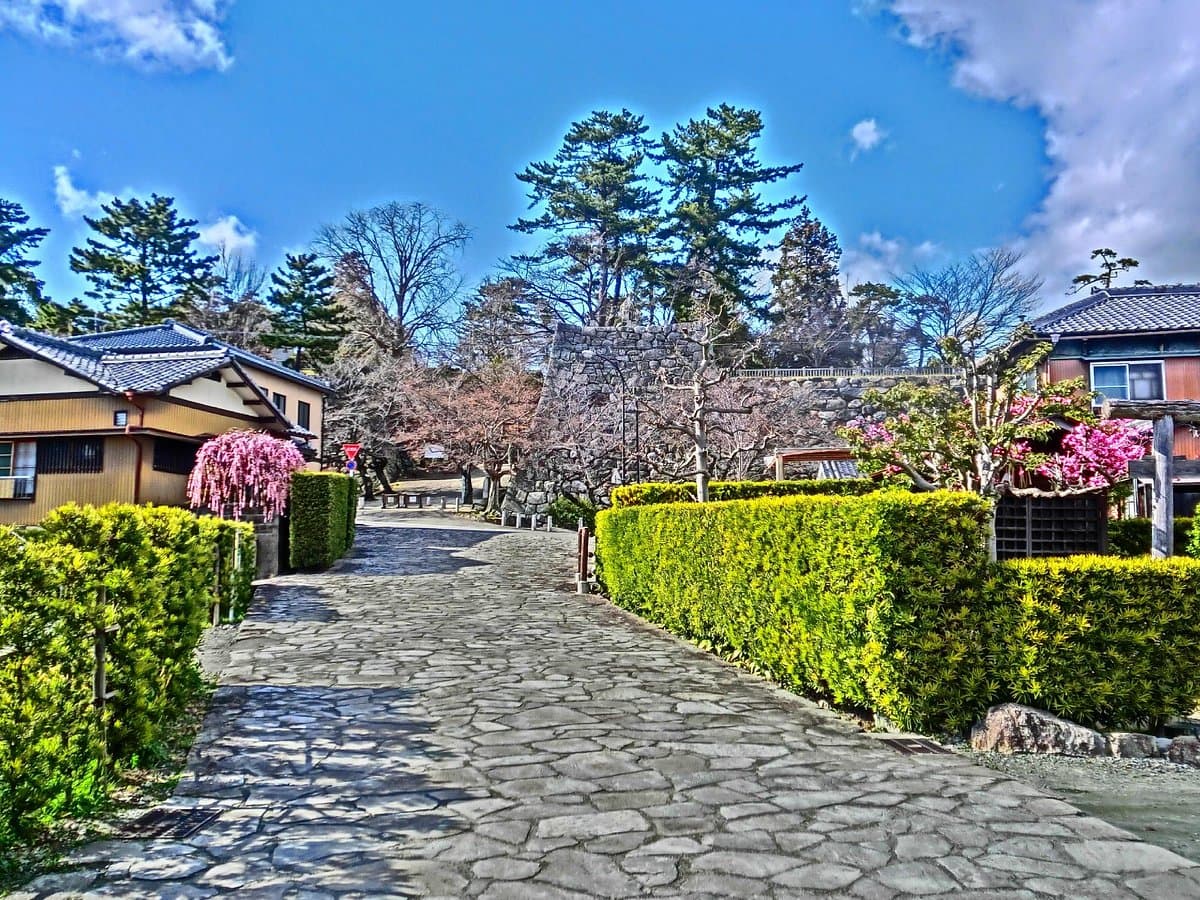
Visitors consistently praise the well-maintained appearance of the complex, particularly the neatly trimmed hedges and the overall historic atmosphere. Many are surprised and impressed that people still live in these 150-year-old homes, which adds a vibrant, living feel to the area. The opportunity to enter one of the houses for free is a major highlight, allowing guests to step inside and experience the traditional Japanese architecture firsthand. Some reviewers even encountered descendants acting as guides, sharing personal stories and insights into their family's history, which greatly enhances the visit.
To make the most of your visit, allocate about 1-2 hours to explore the area and the open house. Remember that when entering the house, you must remove your shoes, a common practice in Japanese homes. While the site itself is free, consider exploring the nearby historic home of the Hasegawa family for a small fee if you have extra time, or try weaving Matsusaka cotton on weekends for a deeper cultural experience. The cobblestone paths add to the charm but can be uneven, so comfortable walking shoes are advisable.
Matsusaka's public transport is limited and infrequent, making it challenging to get around without a car. While local trains connect to Matsusaka Station from major cities like Osaka or Nagoya (approximately 1.5 hours), reaching Gojoban Yashiki from the station might require alternative arrangements. Renting bicycles from the Tourism Center for 100 yen per hour is a good option, or consider renting a car from vendors near the station. Parking near Gojoban Yashiki can be difficult, as noted by some visitors, so plan accordingly if driving.
A common complaint is that some visitors find the experience too brief, describing it as just 'two rows of old houses' that can be seen in five minutes. To mitigate this, take your time to appreciate the architectural details, imagine the lives of the samurai, and engage with any guides present. Reading up on the history beforehand can also deepen your appreciation for the site beyond a quick glance.