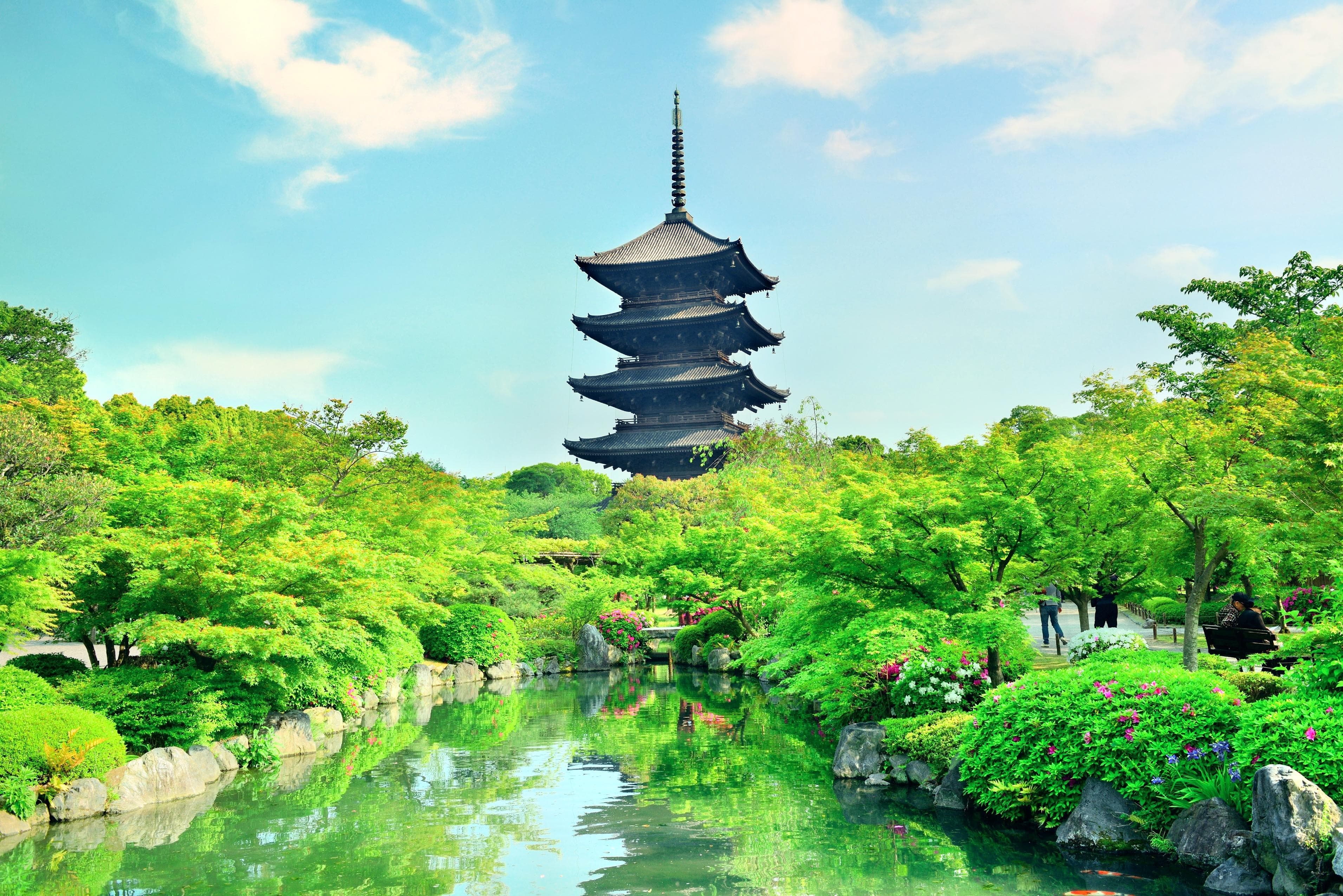
To-ji Temple, a UNESCO World Heritage Site, is one of Kyoto's most historically significant temples, founded in 796. It served as one of the two guardian temples of the capital during the Heian period and later became a prominent center for Shingon Buddhism under the monk Kūkai. Its most striking feature is the five-story pagoda, which at 55 meters, is the tallest wooden pagoda in Japan and an iconic symbol of Kyoto's skyline.
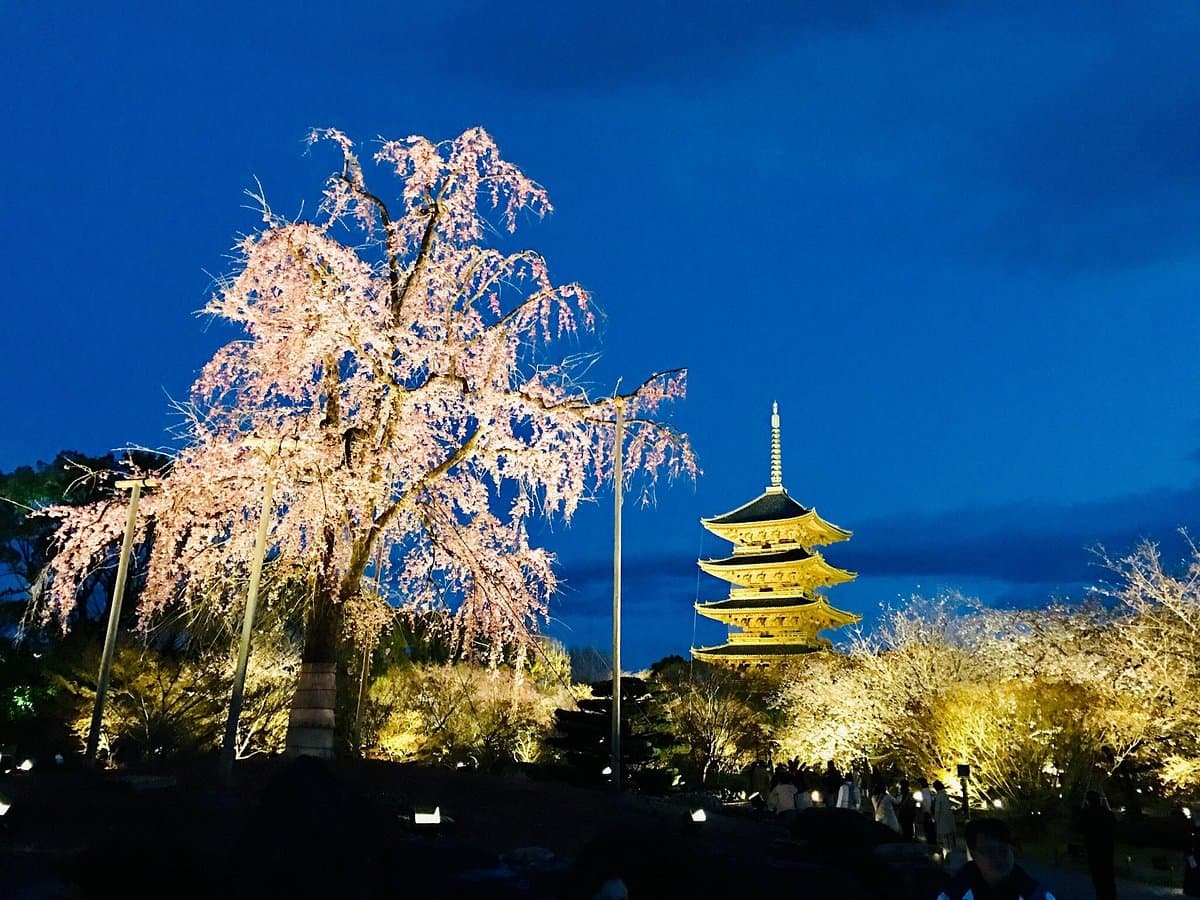
Visitors consistently praise the temple for its tranquil atmosphere, especially when compared to more crowded Kyoto attractions. Many reviewers highlight the beauty of the grounds during autumn leaf season and cherry blossom season, with the 120-year-old Fuji-zakura cherry tree being a particular draw. The impressive national treasure Buddha statues inside the main halls are also frequently mentioned as a highlight, offering a deep dive into Japanese Buddhist art. Some visitors appreciate the opportunity to explore the temple's outer courtyard for free, while others find the paid inner areas, including the Kondo (Main Hall) and Kodo (Lecture Hall), well worth the admission for their historical and artistic value.
To make the most of your visit, consider spending 1.5 to 2 hours exploring the grounds and main buildings. Early mornings are often recommended for a more peaceful experience, as the temple tends to be less crowded. If you're visiting in autumn or spring, be aware that these are popular times, and while To-ji might be less congested than other temples, it will still attract more visitors. Reviewers suggest bringing comfortable walking shoes, as the grounds are extensive. For a unique experience, plan your visit around the 21st of each month, when the Kobo-ichi flea market is held, offering a wide array of antiques, crafts, and food. This market significantly increases crowd levels but provides a vibrant cultural insight.
To-ji Temple is conveniently located about a 20-minute walk from Kyoto Station, making it easily accessible on foot, as noted by several reviewers who preferred walking over taking crowded buses during peak seasons. Alternatively, you can take the Kintetsu Kyoto Line to Toji Station, which is a short walk from the temple. For those driving, there is a parking lot available within the temple grounds, which visitors have found to be orderly.
A common point raised by some visitors is that the five-story pagoda itself cannot be entered, and the Buddha statues in the main halls can only be viewed from a distance or through doorways. To mitigate this, manage your expectations regarding interior access. While the pagoda's interior is generally closed, its exterior grandeur and the surrounding gardens are the primary draw. For those seeking a quieter experience, avoid market days (21st of the month) and special night illumination events, which, while beautiful, attract large crowds.