The Remains of Rajōmon Gate commemorate the grand southern entrance to ancient Heian-kyō (Kyoto), a structure that once symbolized the city's power and prestige. Although the magnificent gate itself was destroyed centuries ago and no physical ruins remain unearthed, its historical significance and cultural impact, particularly through literature and film like Akira Kurosawa's "Rashomon," make this site a point of interest for those who appreciate Japan's deep historical layers.
Visitors consistently note that the site is marked by a simple stone monument, often described as unassuming and located within a children's park. This can be a surprise for those expecting grand ruins, so managing expectations is key. Reviewers often highlight the contrast between the gate's legendary status and its humble present-day appearance. The site offers a quiet, contemplative experience rather than a visually spectacular one, appealing to those with a specific interest in the historical context or literary connections.
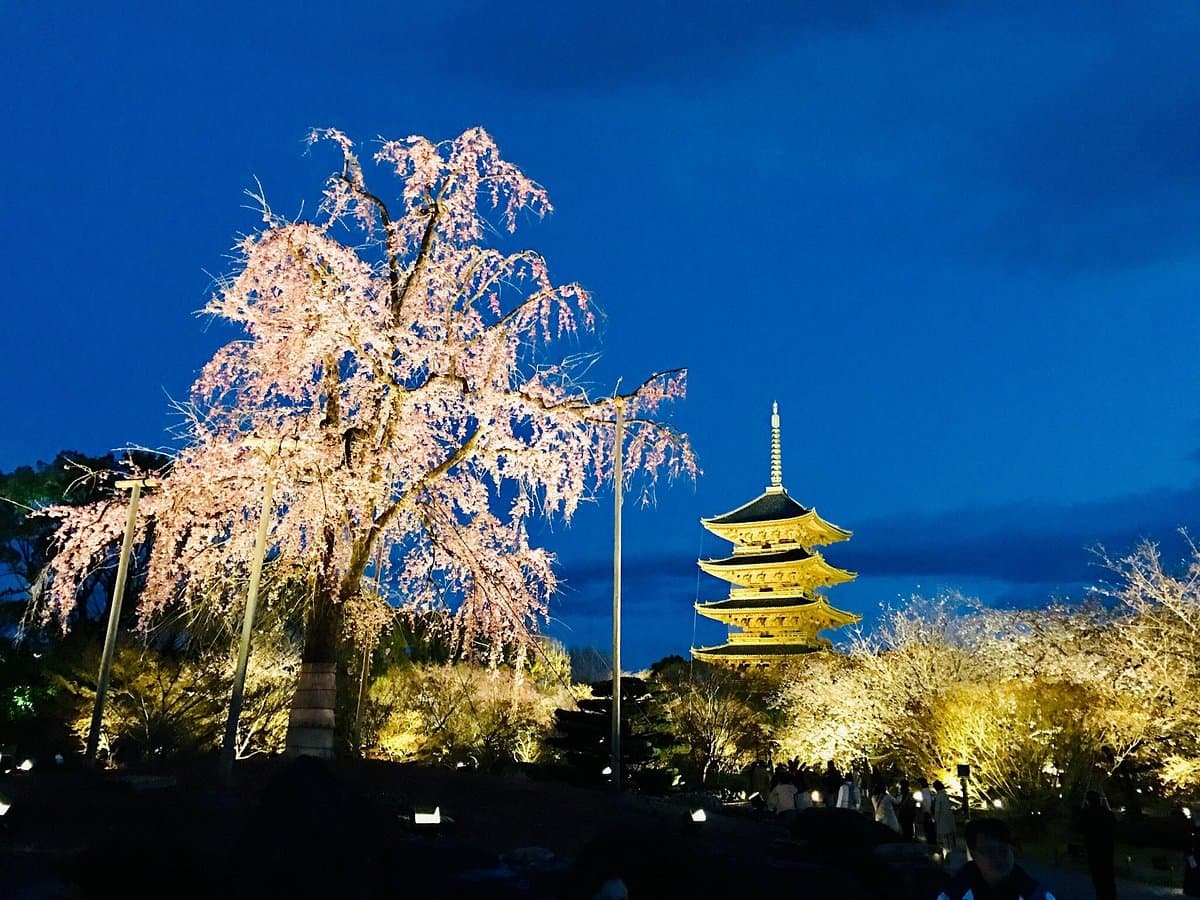
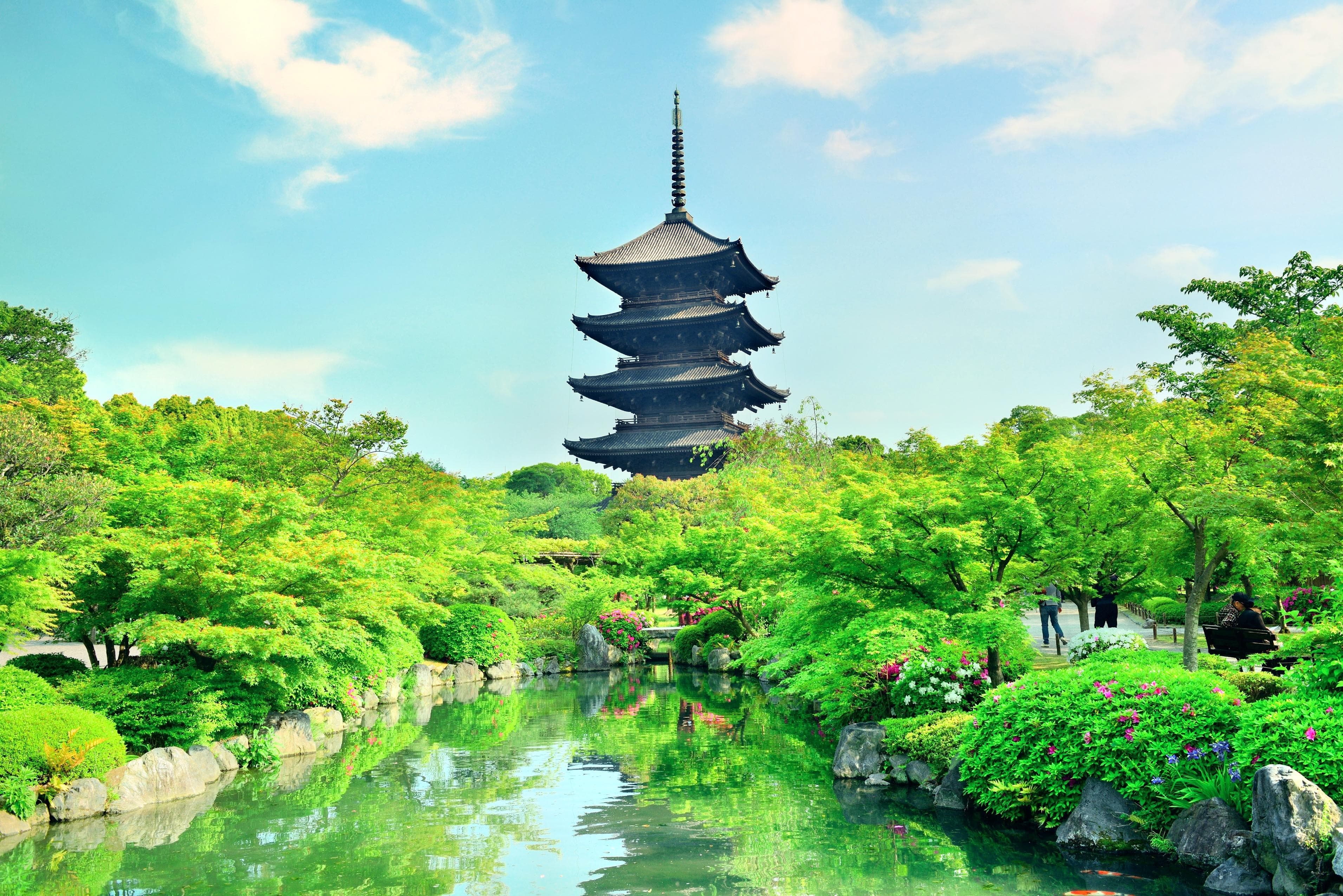
To make the most of a visit, it is recommended to spend about 15-30 minutes here, primarily for reflection and reading the informational plaque. There are no facilities or shops directly at the site, so bring water if needed. The best time to visit is during daylight hours, as the park is open to the public. There is no entry fee, making it an accessible historical marker. Consider combining this visit with other nearby attractions if you are in the area, such as Toji Temple, to maximize your time.
The site is located in Hanazono Children's Park, Kyoto. The nearest public transport option is Tōji Station, which is less than a 15-minute walk away. This makes it relatively easy to access via Kyoto's extensive train network. For those driving, parking might be available in the surrounding residential areas, but public transport is generally recommended in Kyoto.
A common complaint is the lack of visible ruins, which can lead to disappointment for visitors expecting more than a monument. To mitigate this, approach the site with an understanding that its value lies in its historical and cultural narrative rather than its physical remains. Reading about the gate's history and its role in Japanese folklore and literature before your visit can significantly enhance the experience.