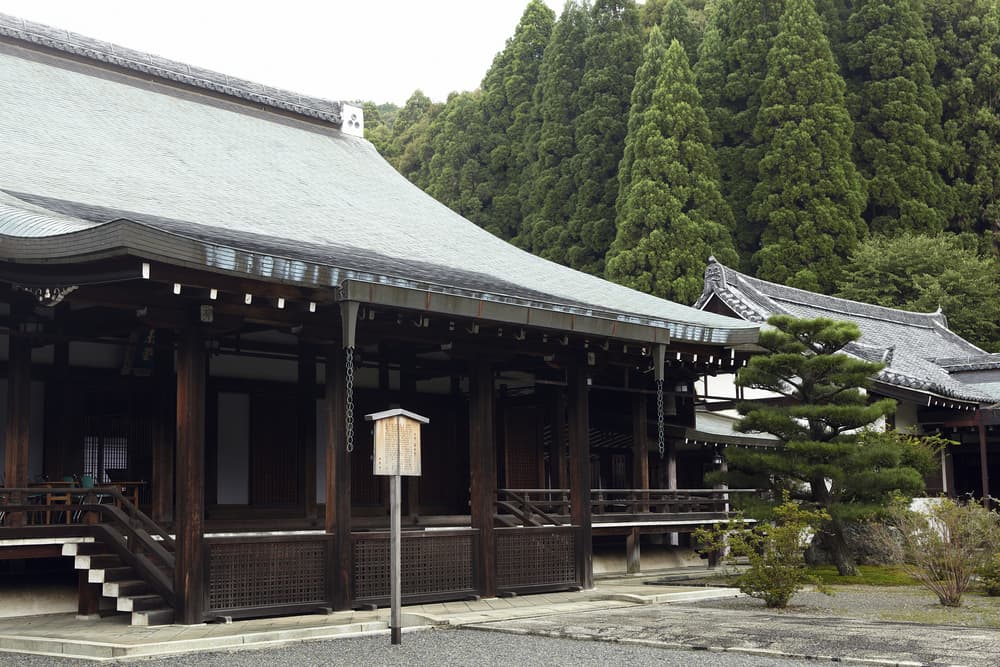
Saihoji Temple, a UNESCO World Heritage site, is renowned globally as the "Moss Temple" (Kokedera) for its exquisite garden featuring over 120 varieties of moss. Originally founded in the Nara period and later revived by the Zen monk Muso Soseki in the 14th century, it is considered one of Japan's oldest and most significant gardens, embodying profound Zen aesthetics. Its unique charm lies in the living carpet of moss that transforms with the seasons, offering a deeply contemplative experience.
Visitors consistently highlight the unparalleled tranquility and beauty of the moss garden, often describing it as otherworldly and deeply spiritual. Many appreciate the limited visitor numbers, enforced by the reservation system, which allows for a peaceful and unhurried exploration. The pre-garden ritual of sutra copying (shakyo) or chanting is frequently mentioned as a highlight, providing a meditative context before entering the garden. While some find the sutra copying a bit tedious or are surprised by the use of brush pens instead of traditional brushes, most agree it contributes to the unique, mindful experience. The garden's beauty is particularly praised during the rainy season or after rain, when the moss appears most vibrant, and in autumn, when red and yellow leaves contrast with the green.
To make the most of your visit, plan for approximately 1.5 to 2 hours, including the sutra copying. Arriving slightly early for your appointed time is advisable. Wear comfortable shoes, as paths can be uneven and potentially slippery, especially when wet. Many visitors recommend bringing an umbrella if rain is forecast, as it enhances the moss's beauty. The entry fee, typically around 3000-4000 JPY, is considered high by some, but most agree it is justified by the unique experience and the preservation efforts. There are no food or drink facilities inside, so plan accordingly.
Getting to Saihoji Temple requires some planning due to its location outside central Kyoto. The most common public transport option is to take Kyoto City Bus No. 63 from Kyoto Station or Shijo-Kawaramachi towards Arashiyama, disembarking at the "Kokedera Suzumushi-dera" (Moss Temple/Suzumushi Temple) stop, which is the last stop. The temple is then a short walk from the bus stop. The bus journey can take about an hour from central Kyoto. Alternatively, a taxi can be taken, which is faster but more expensive. Parking is limited, and driving is generally not recommended for tourists unfamiliar with the area.
The primary complaint revolves around the complex and often expensive reservation process, which historically involved mailing postcards. While online booking is now available, it can still be challenging for international visitors. To mitigate this, consider using a concierge service, asking your hotel in Japan for assistance, or booking through a reputable online travel agency that facilitates reservations. Some visitors also mention occasional noise from external sources (like logging or construction) disrupting the tranquility; however, this is infrequent and largely unavoidable. Be aware that photography might be restricted during the sutra copying session, and some paths might be slippery, especially after rain.