Ryoan-ji, meaning 'Temple of the Dragon at Peace,' is a UNESCO World Heritage site and a pivotal example of Japanese Zen culture. It is most famous for its karesansui (dry landscape) rock garden, which has captivated visitors for over 500 years with its minimalist design of fifteen moss-covered stones set in a bed of perfectly raked white gravel. This garden is not merely a visual spectacle but a profound space designed for meditation and contemplation, embodying the abstract beauty and philosophical depth of Zen Buddhism.
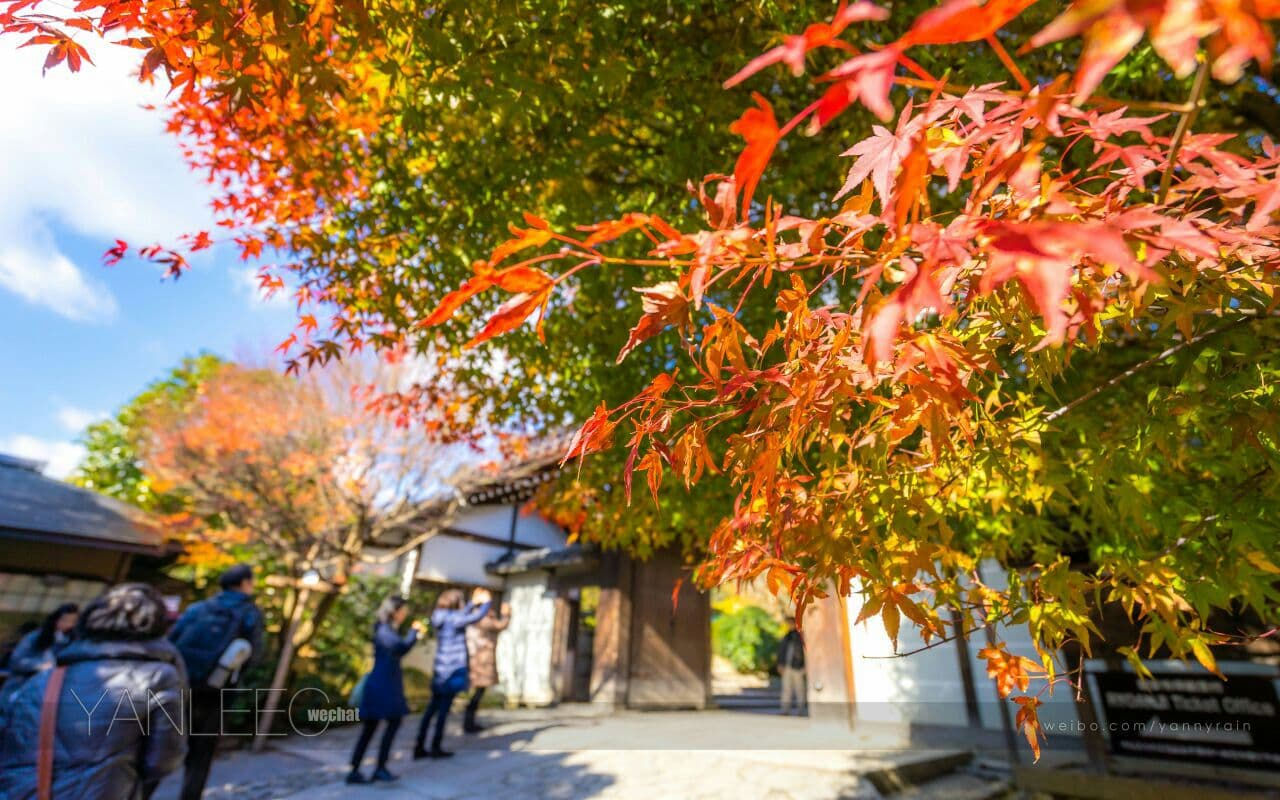
Visitors consistently praise the rock garden for its serene and meditative atmosphere, despite often being crowded. Many describe feeling a sense of calm and finding it a unique experience, encouraging contemplation on its abstract meaning. Reviewers frequently mention the intriguing aspect of the garden's design, where it's said that only fourteen of the fifteen stones are visible from any single vantage point. Beyond the rock garden, the temple's extensive grounds, including the beautiful Kyoyochi Pond and surrounding walking paths, receive high acclaim for their natural beauty, especially during autumn foliage and cherry blossom seasons. Some visitors, however, find the rock garden itself underwhelming or too abstract, especially if they are not familiar with Zen aesthetics, and note that crowds can sometimes detract from the intended tranquility.
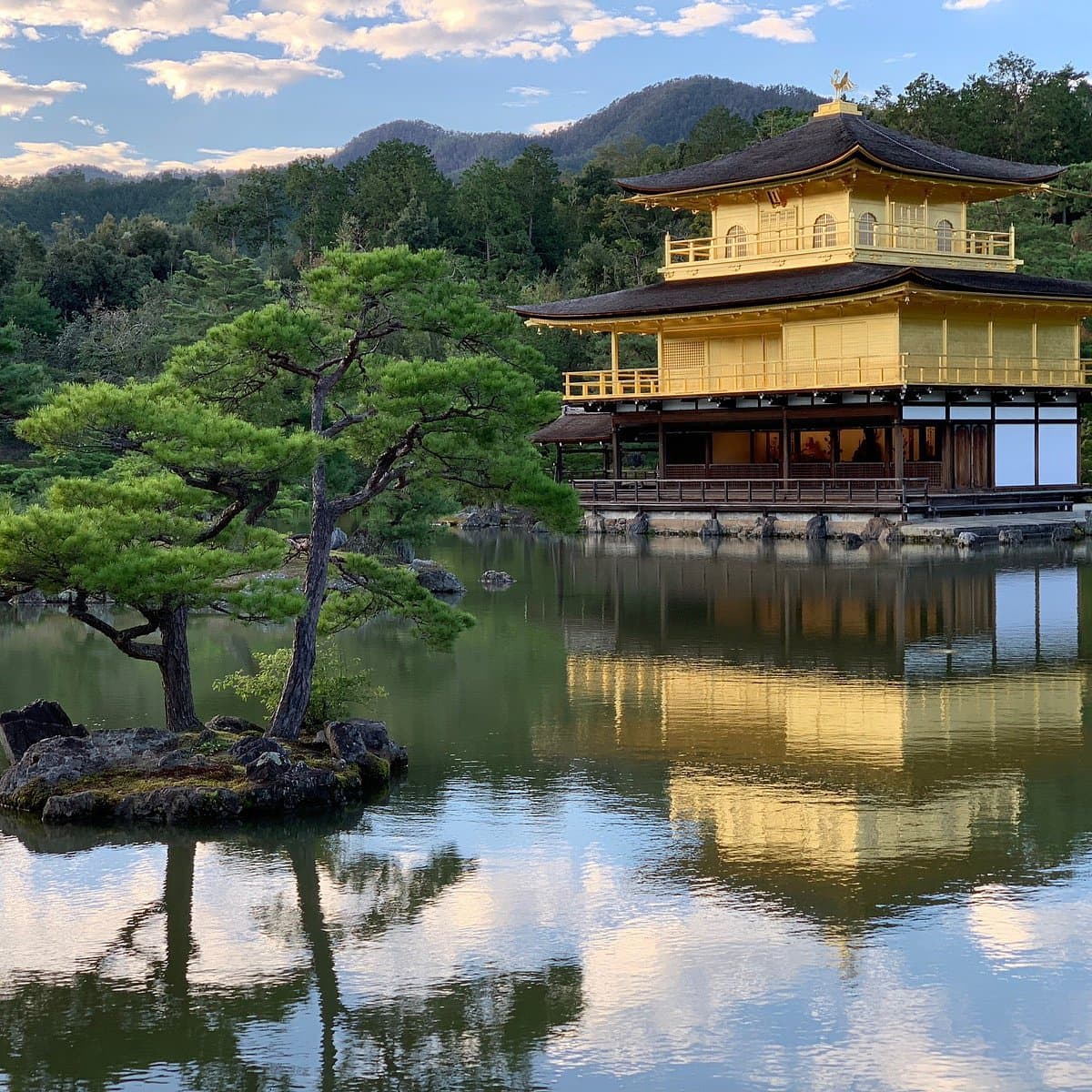
To make the most of your visit, it is highly recommended to arrive early, ideally right at opening time, to experience the rock garden in relative quiet before the tour groups arrive. This allows for a more personal and meditative experience. Many visitors suggest allocating 1 to 2 hours to fully explore the rock garden, sit and contemplate, and then enjoy a leisurely stroll around the larger temple grounds and pond. While the rock garden is the main draw, don't overlook the surrounding natural gardens, which many find equally, if not more, appealing. Be prepared to remove your shoes before entering the viewing area for the rock garden; plastic bags are usually provided for carrying them. Consider combining your visit with nearby Kinkaku-ji (Golden Pavilion), as they are relatively close and can be reached by a pleasant walk or a short bus ride.
Ryoan-ji is located in the northwest part of Kyoto. It is easily accessible by public transport. Many visitors recommend taking a bus, with routes like bus 12 directly serving the temple. If coming from Kinkaku-ji, it's about a 20-25 minute walk or a short bus ride (e.g., 3 stops). For those using a JR Pass, some JR buses can also be utilized to reach the site. The nearest train station is Randen Ryoanji Station on the Keifuku Line, which is about a 10-minute walk away, offering a quiet approach through a small alley. Taxis and Uber are also options, with designated drop-off points.
The most common complaint is the presence of crowds, which can diminish the sense of peace intended by the Zen garden. To mitigate this, arriving early in the morning is the most effective strategy. Some visitors also express disappointment if they expect a grand, ornate temple, as Ryoan-ji's beauty lies in its stark simplicity and abstract nature. Managing expectations and understanding the philosophical context of a Zen rock garden can greatly enhance the experience. While some find the entry fee high for what they perceive as just "rocks and gravel," most agree the overall experience and the beauty of the entire complex justify the cost.