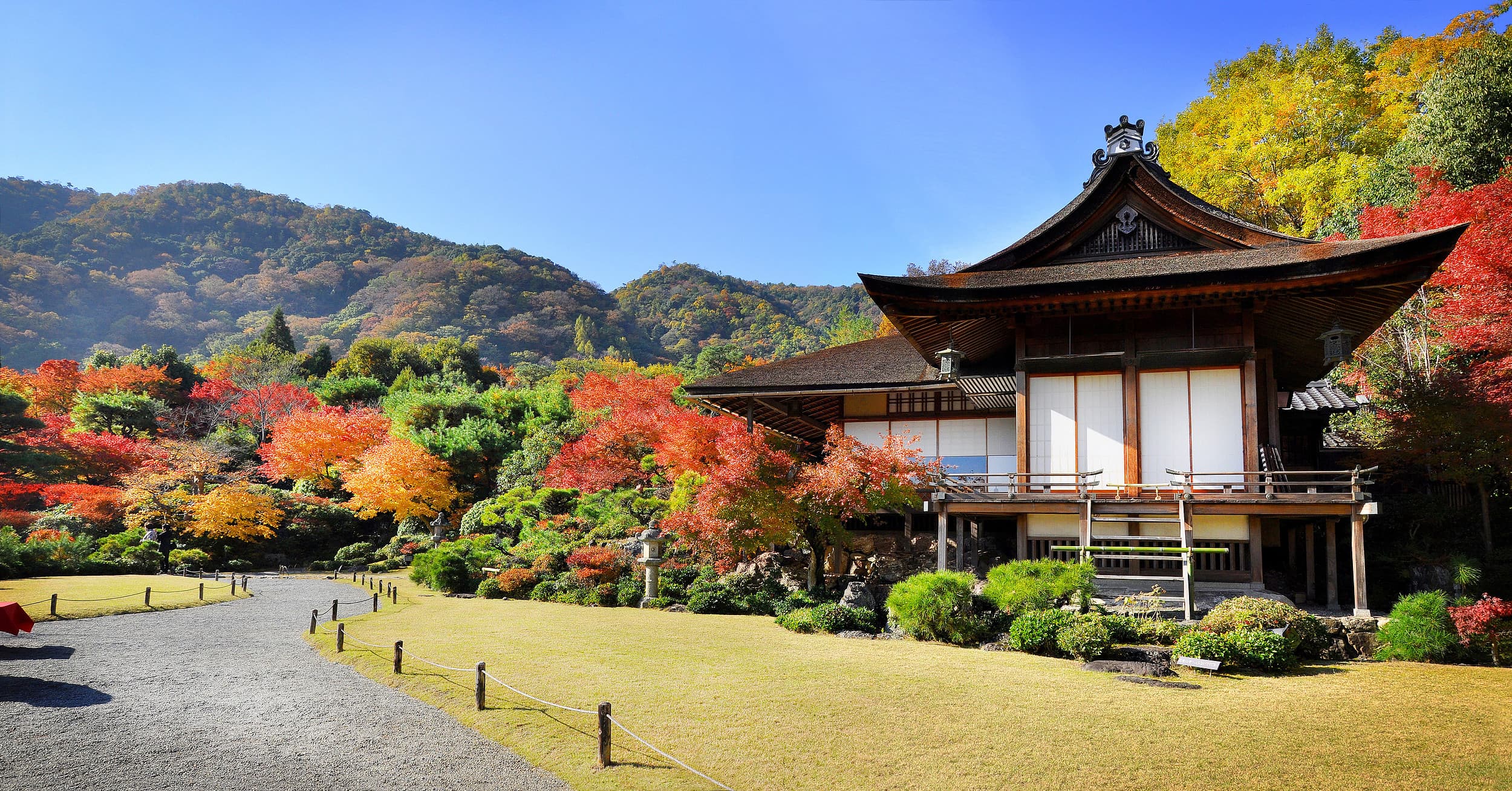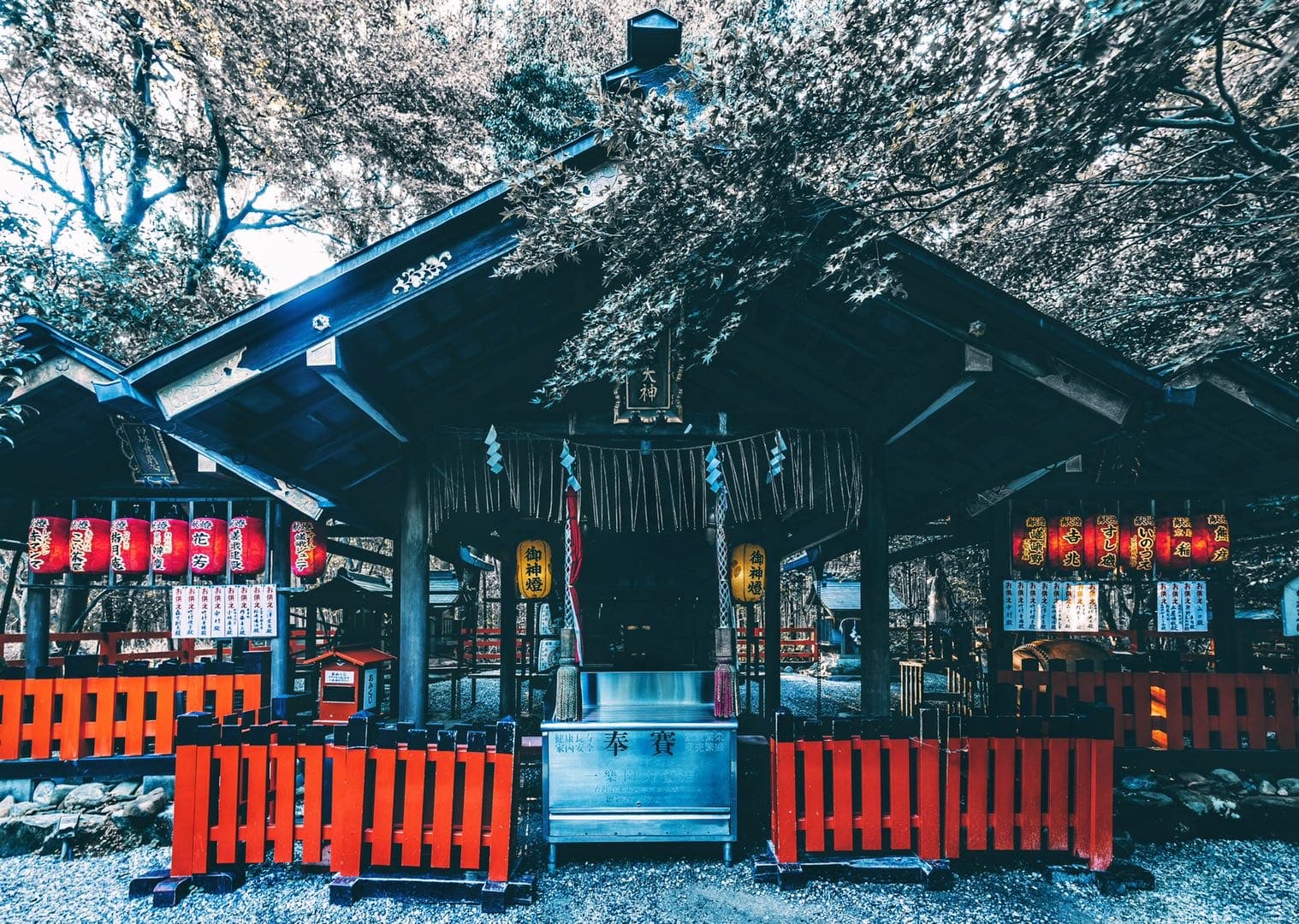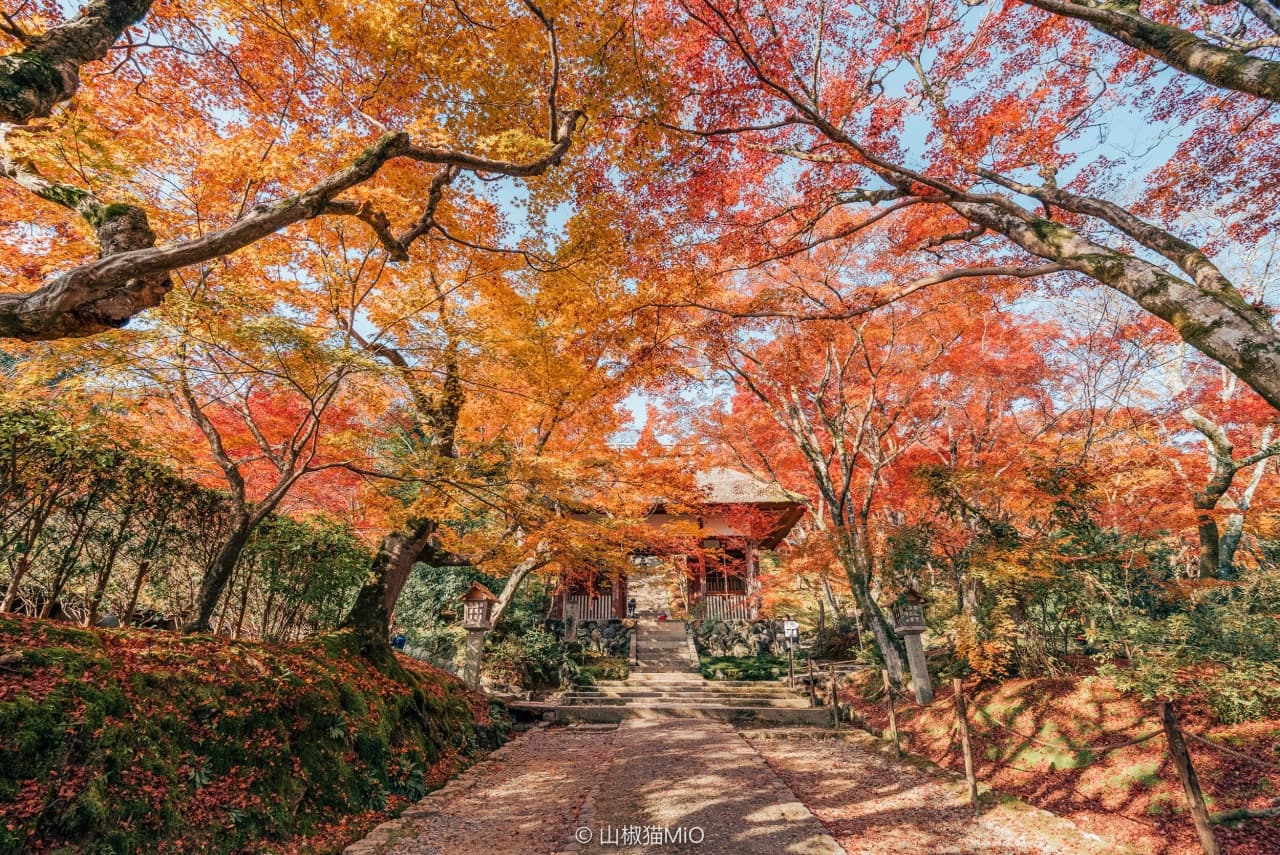
Jōjakkōji Temple is a historic Nichiren sect temple located on Mount Ogura in Kyoto's Ukyo Ward. It is deeply connected to Fujiwara Teika, a renowned poet, and is celebrated for its profound natural beauty throughout the seasons, especially its spectacular autumn foliage. Unlike some of Kyoto's grander temples, Jōjakkōji offers a more intimate and contemplative experience, making it a cherished spot for those seeking tranquility amidst nature.
Visitors frequently highlight the temple's stunning autumn colors, describing the maple leaves as 'shocking' and 'beautiful to cry'. Many appreciate the relatively fewer crowds compared to other popular Arashiyama sites, allowing for a more peaceful exploration. The moss gardens are also a consistent point of praise, with some reviewers calling it a 'moss sanctuary' and noting the meticulous care given to the grounds. The winding stone steps, often covered in fallen leaves, add to the temple's rustic charm and provide picturesque views. Reviewers suggest that the beauty of the temple is not limited to autumn; the lush greenery in spring and summer, and even the quiet atmosphere during rainy days, are also highly regarded.
To make the most of your visit, plan to spend approximately 1 to 2 hours exploring the temple grounds. The best time to visit for autumn leaves is typically late November to early December, but be prepared for more visitors during this peak season. For a quieter experience, consider visiting in the early morning or late afternoon, or during the off-season when the temple's lush greenery and moss gardens offer a different kind of beauty. Wear comfortable shoes as the paths involve stone steps that can be slippery, especially when wet. Bringing cash for the entry fee is advisable, as some smaller temples in the area may not accept cards.
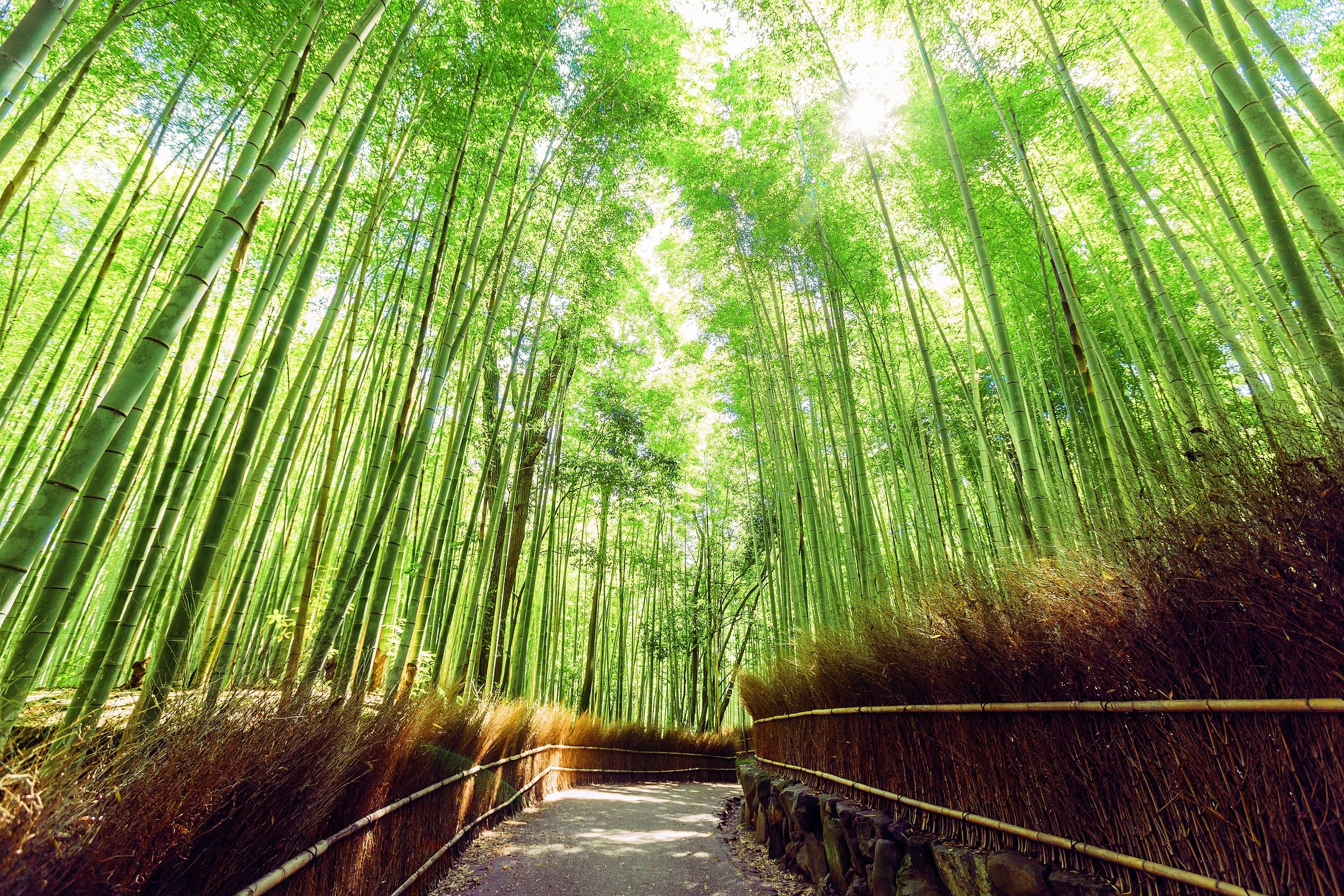
Jōjakkōji Temple is conveniently located in the Arashiyama area. It is approximately a 15-minute walk from JR Saga-Arashiyama Station or Keifuku-Arashiyama Station. Many visitors combine their trip with other nearby attractions like the Arashiyama Bamboo Grove, Tenryu-ji Temple, and Ōkochi Sanso. From the Bamboo Grove, it's a pleasant walk, though some reviewers note that Google Maps can occasionally lead to a less direct route, so following signs or a detailed map is recommended. Taxis are an option for those preferring not to walk the entire distance from the station.
A common observation is that while the temple is beautiful, some visitors find it similar to other temples in Kyoto, especially if they have visited many. To mitigate this, focus on the unique aspects like the specific moss varieties, the views from the elevated points, and the historical connection to Fujiwara Teika. While generally less crowded, peak autumn season can still draw significant numbers, so patience is key during these times.