Gio-ji Temple is a modest yet profoundly beautiful Buddhist temple nestled in the Sagano area of Kyoto, closely associated with the tragic love story of Gio from the epic 'Tale of the Heike'. It serves as a poignant reminder of impermanence and quiet contemplation, offering a unique glimpse into Japan's aesthetic of wabi-sabi.
Visitors consistently highlight the temple's exceptional moss garden as its main draw. Reviewers describe it as a 'carpet of moss', an 'emerald green forest', and a 'moss oasis', noting the diverse shades of green and the meticulously maintained grounds. Many appreciate the serene and uncrowded atmosphere, a stark contrast to other popular Kyoto attractions. The temple's small size is often mentioned, but rather than a drawback, it contributes to its intimate and peaceful charm. The beauty of the moss is particularly emphasized during the rainy season and when autumn leaves scatter across it, creating a stunning visual contrast. The historical narrative of Gio, who became a nun here after being abandoned, adds a layer of emotional depth that many find moving.
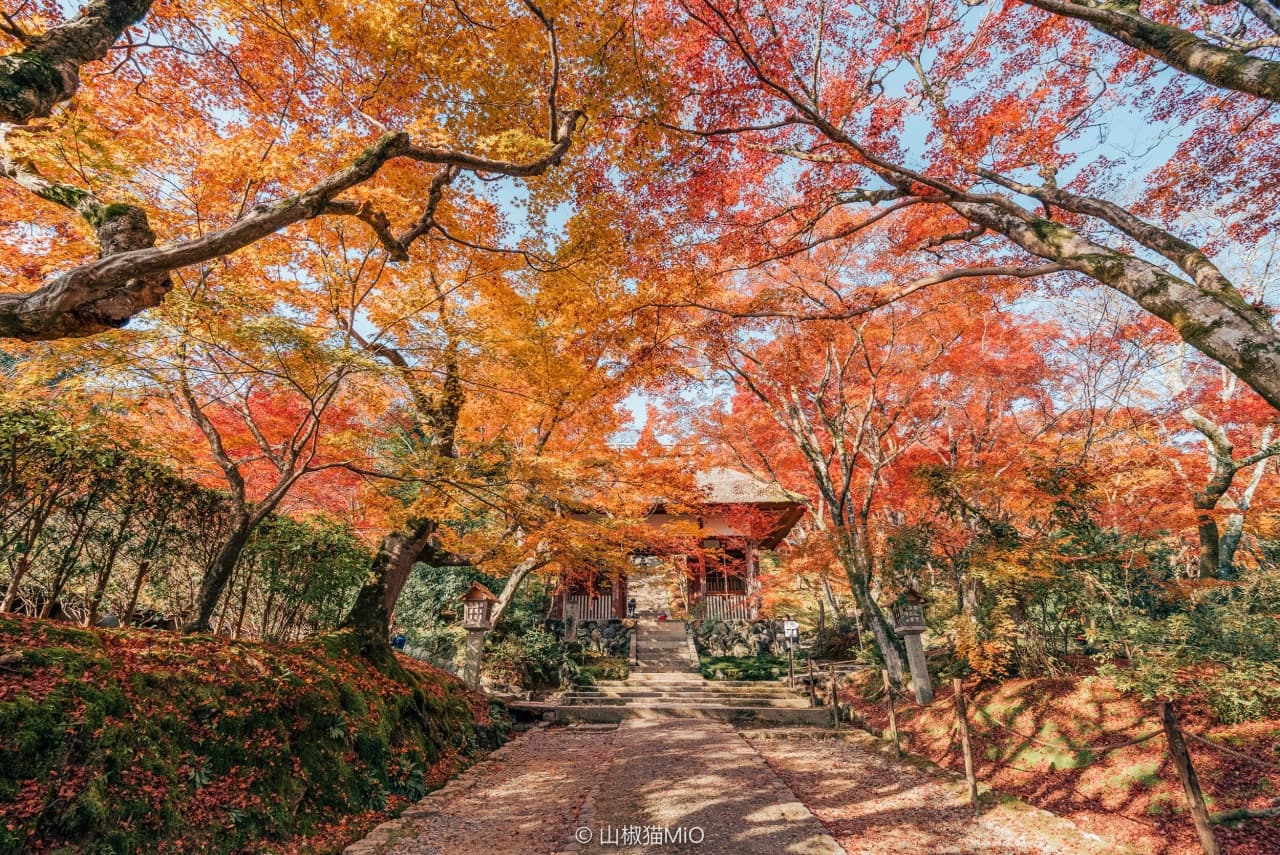
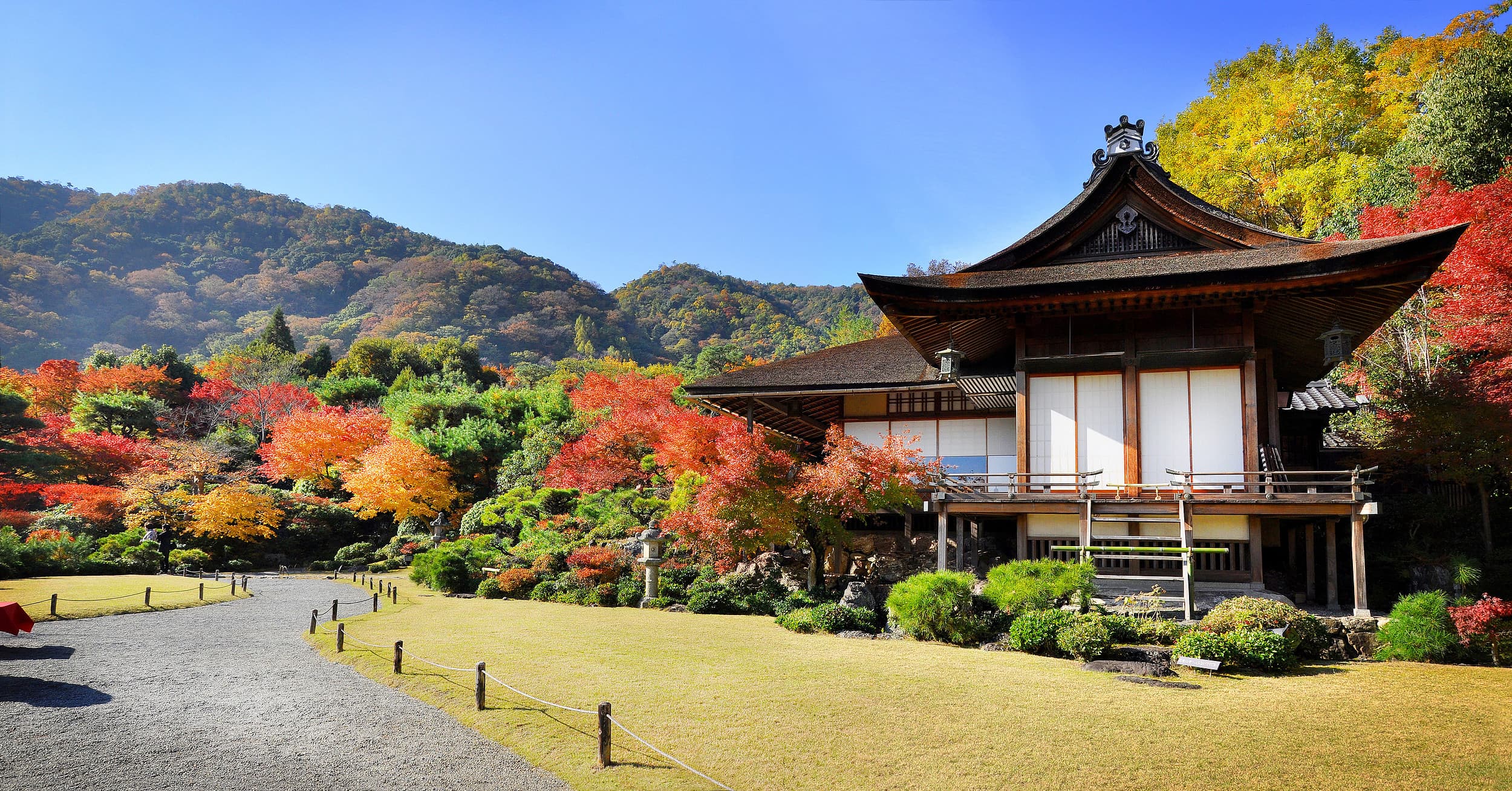
To make the most of your visit, allocate about 30 minutes to an hour to fully absorb the tranquility; while the garden path is short, the experience is best savored slowly. Many suggest visiting in the early morning or late afternoon to enjoy even greater solitude. Autumn (for the vibrant maple leaves) and spring (for fresh greenery) are frequently recommended as the best seasons, though the moss garden is beautiful year-round, especially after rain. Consider purchasing the combined ticket with Daikaku-ji Temple if you plan to visit both, as it offers a slight discount. Bring cash for the entrance fee, as it's often cash-only.
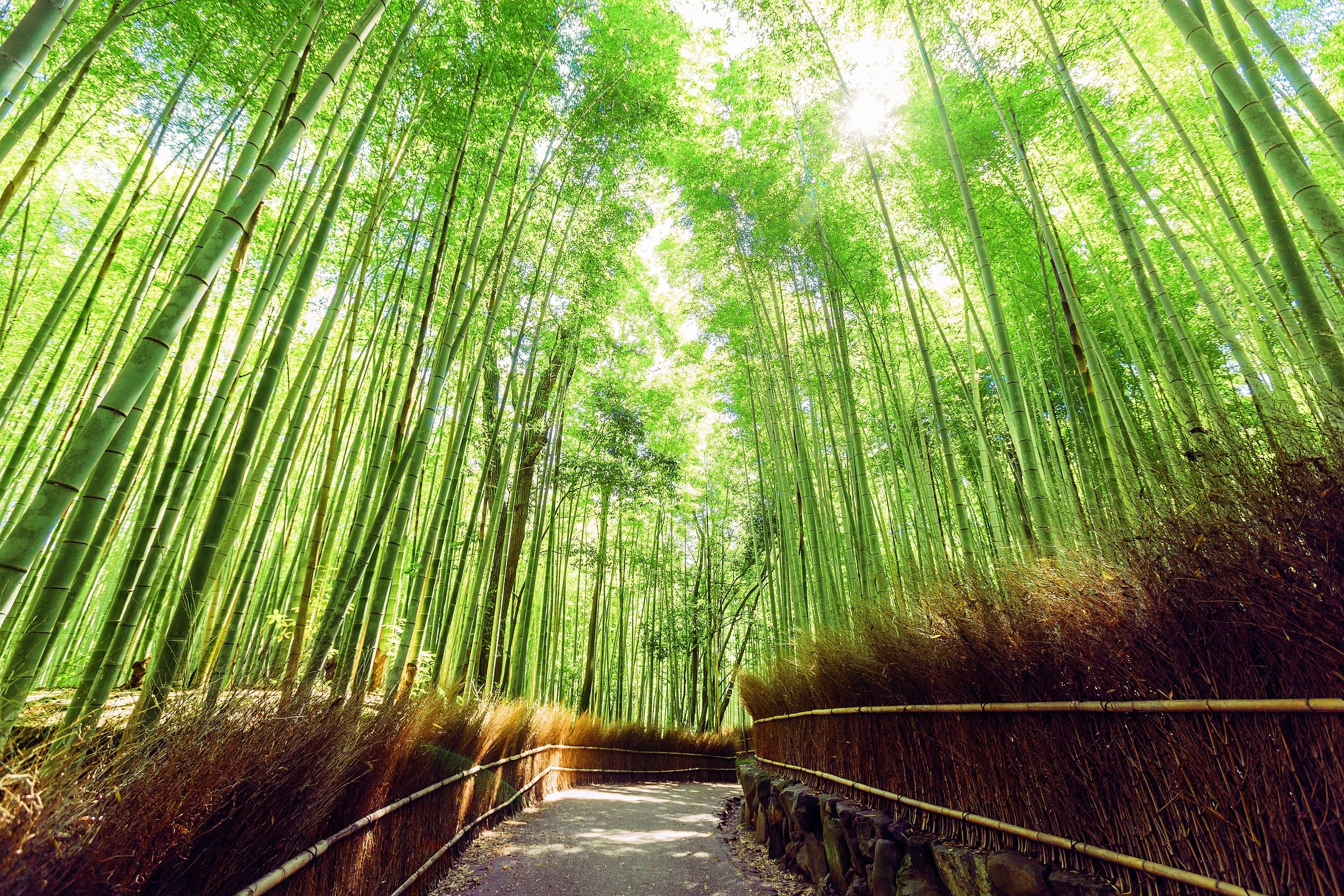
Gio-ji Temple is located in the Sagano area, a bit further into the Arashiyama district. It's approximately a 15-20 minute walk from the Bamboo Grove, and about 20 minutes from Randen Arashiyama Station or Saga Arashiyama Station. Several visitors recommend taking a taxi directly to Gio-ji and then walking back towards the Bamboo Grove and other Arashiyama attractions, as the walk to the temple can be uphill and somewhat secluded. While Google Maps is generally helpful, some reviewers noted it occasionally routes to a back entrance, so keep an eye out for official signage. The path leading to the temple is described as scenic, with shops and restaurants along the way.
A common complaint is the temple's small size, with some visitors feeling it's 'too small' for the entry fee if they rush through. To mitigate this, embrace the temple's intended purpose as a place of quiet contemplation. Instead of rushing, take your time to sit, observe the intricate moss patterns, listen to the sounds (including the suikinkutsu, or water koto), and reflect on the historical context. This approach transforms a potentially brief visit into a deeply enriching experience.