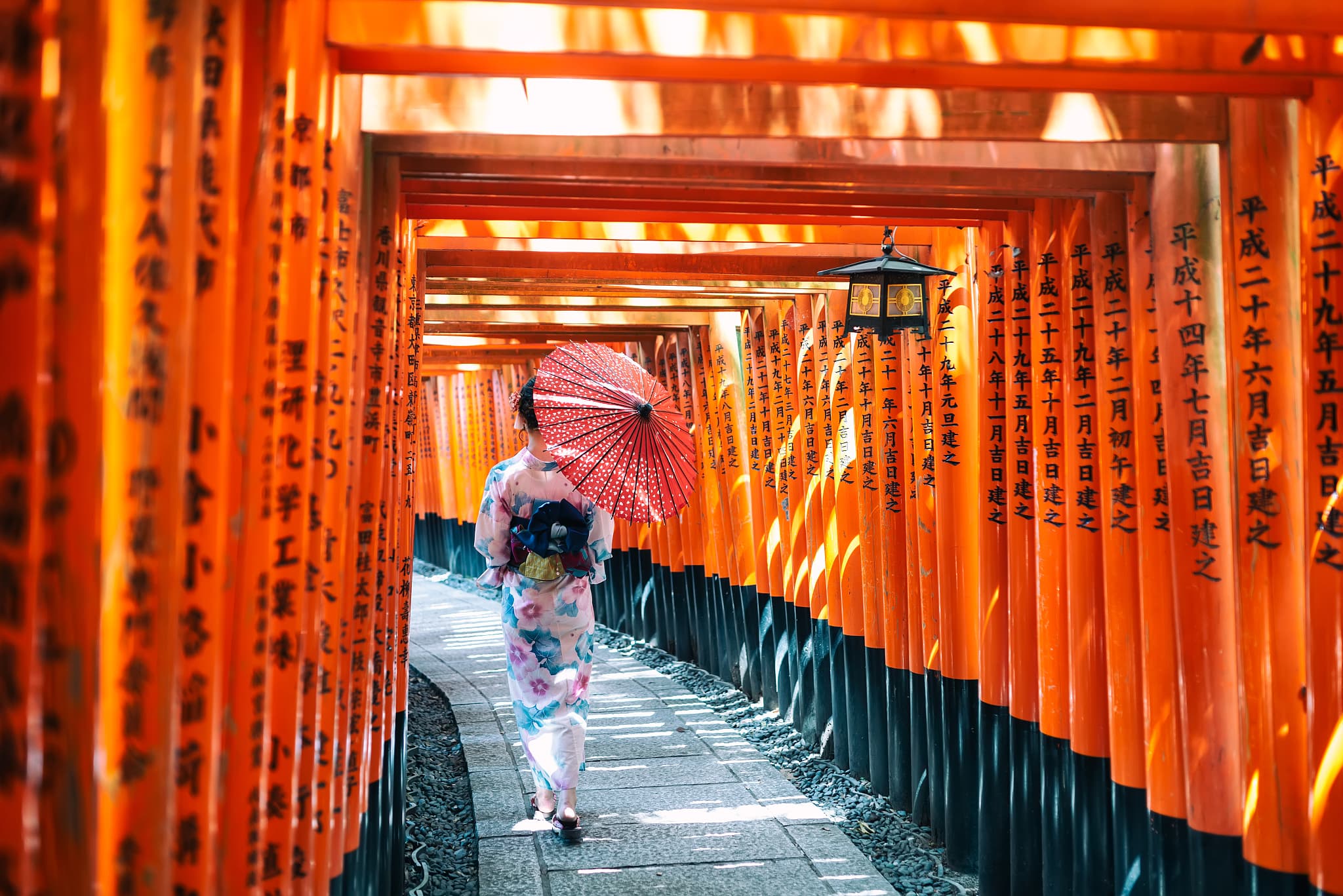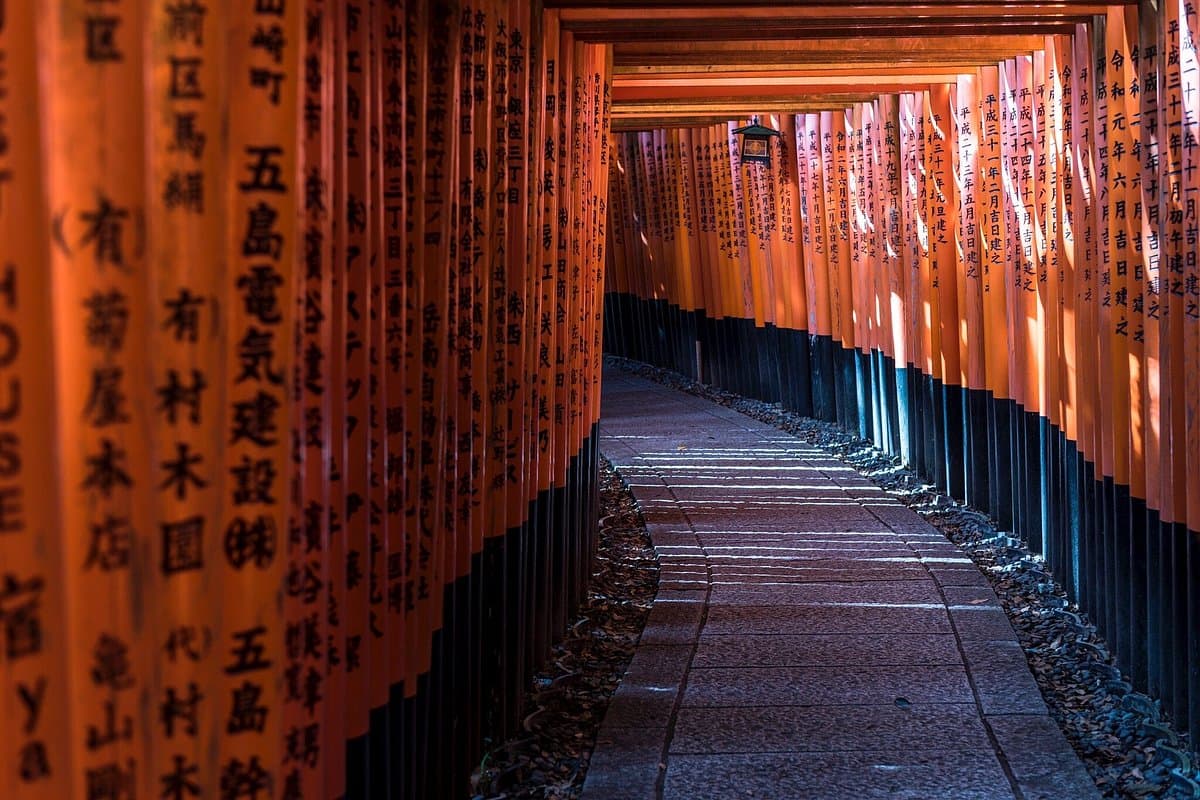
Fushimi Inari-taisha Shrine is the head shrine for Inari, the Shinto god of rice, prosperity, and business, and is arguably one of Japan's most iconic and visually striking sites. Established in 711 CE, it is renowned for its thousands of vermilion torii gates that form a network of trails up the sacred Mount Inari. These gates, donated by individuals and companies, bear inscriptions of their benefactors and dates, creating a unique cultural tapestry. The shrine also features numerous fox statues, believed to be messengers of Inari, often depicted holding keys to rice granaries.
Visitors consistently praise the breathtaking beauty and unique atmosphere of the torii gate tunnels, describing the experience as enchanting and unforgettable. Many highlight the opportunity for stunning photography, especially in the upper sections where crowds thin out. The hike itself is often described as a rewarding experience, offering beautiful views of Kyoto and a sense of tranquility away from the initial bustling entrance. Reviewers frequently mention the spiritual and cultural significance, noting the numerous smaller shrines and fox statues encountered along the path.
To make the most of your visit, arrive as early as possible, ideally before 7:00 AM, to avoid the massive crowds that gather by 9:00 AM. Many visitors recommend going late in the evening or at dusk for a more peaceful and atmospheric experience, with the added bonus of lantern lighting. The full circuit to the summit and back takes approximately 2-3 hours, so wear comfortable walking shoes and bring water, especially during warmer months. While the initial sections are very crowded, the further you ascend, the fewer people you will encounter, allowing for more serene moments and unobstructed photos. There are vending machines and small tea houses along the trail for refreshments.
The shrine is exceptionally easy to access. It is located directly in front of JR Inari Station on the JR Nara Line, just two stops (about 5-10 minutes) from Kyoto Station. Alternatively, it's a five-minute walk from Keihan Electric Railway's Fushimi-Inari Station. This direct access makes it a convenient destination for those relying on public transport. For those driving, some reviewers mention free parking, though public transport is generally recommended due to its efficiency.
The most common complaint is the overwhelming crowd, particularly at the lower sections and during peak hours. This can detract from the peaceful, spiritual experience many hope for and make taking photos without other people challenging. To mitigate this, prioritize an early morning or late evening visit. Some visitors also find the summit to be anticlimactic in terms of views, but emphasize that the journey through the gates and the smaller shrines along the way are the true highlights.