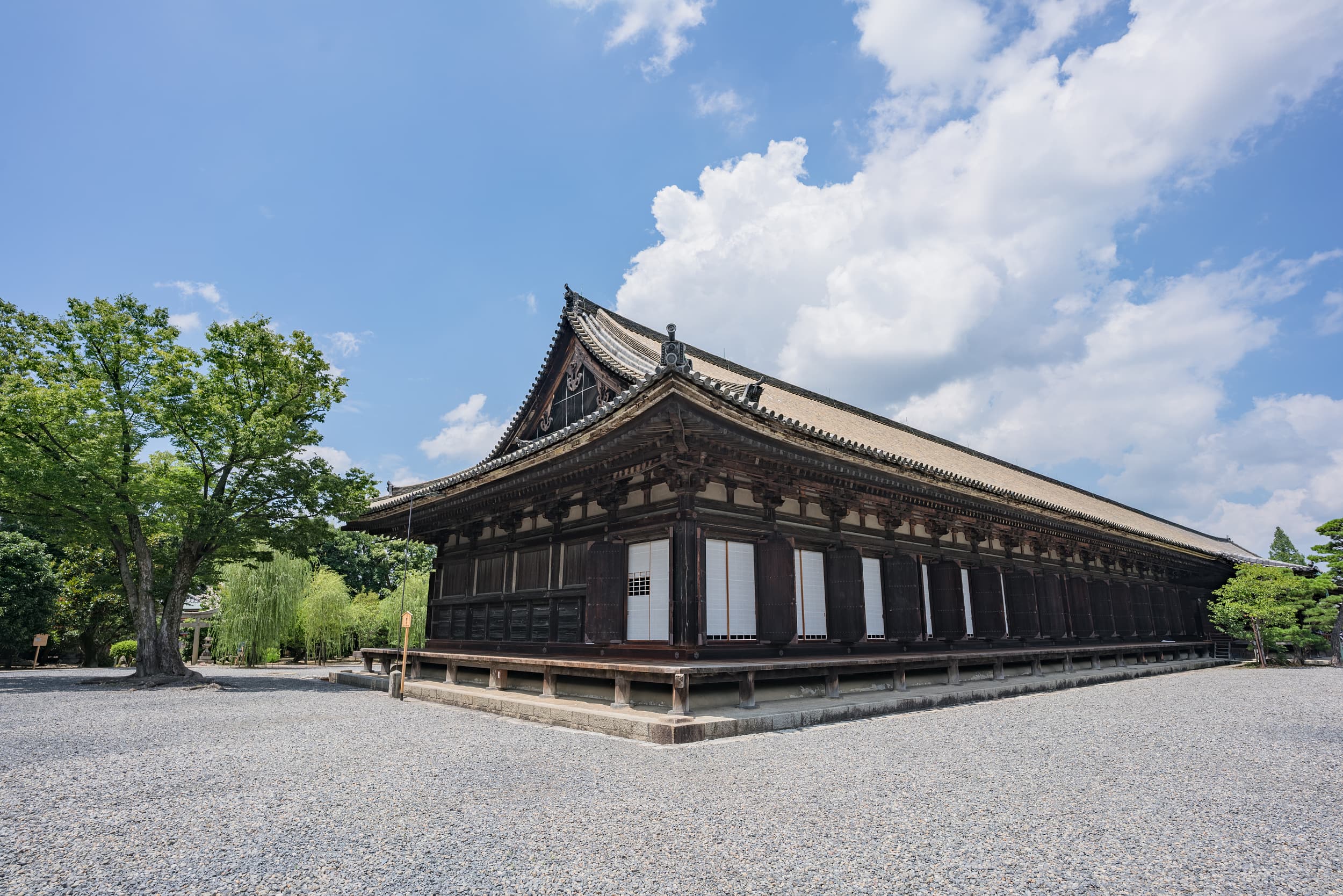
Sanjusangendo Temple, officially known as Rengeo-in, is a significant Buddhist temple in Kyoto, famous for its extraordinary collection of 1,001 statues of Kannon, the goddess of mercy. Constructed in the 12th century and rebuilt in 1266 after a fire, its 120-meter-long main hall is the longest wooden structure in Japan and a designated National Treasure. This temple offers a profound glimpse into Japan's rich religious artistry and history, standing out even in a city abundant with temples.
Visitors are consistently captivated by the sheer number and intricate detail of the statues. Many describe the sight of 1,000 life-sized, gold-leafed Kannon statues, each with slightly different facial expressions, arranged in rows around a colossal central Kannon, as 'breathtaking,' 'overwhelming,' and 'mysterious.' The presence of fierce guardian deities and statues of the Wind God and Thunder God further adds to the unique atmosphere. Reviewers frequently highlight the profound impact of seeing such a vast collection, often stating it's an experience unlike any other temple in Japan, or even the world. The absence of photography inside is often noted as a positive, encouraging visitors to truly immerse themselves in the moment and retain the visual impact in their memory.
To make the most of your visit, plan to spend at least 1 to 1.5 hours exploring the main hall and the surrounding grounds. Many recommend arriving early in the morning, right at opening, to avoid crowds and experience the temple in a more serene atmosphere. The temple can get very hot and humid inside during summer months, as there is no air conditioning, so dressing appropriately and bringing water is advisable. Visitors must remove their shoes before entering the main hall, so wear footwear that is easy to slip on and off. While the interior is the main draw, the beautifully maintained gardens outside are also worth a stroll, especially during cherry blossom season or when the plum blossoms are in bloom.
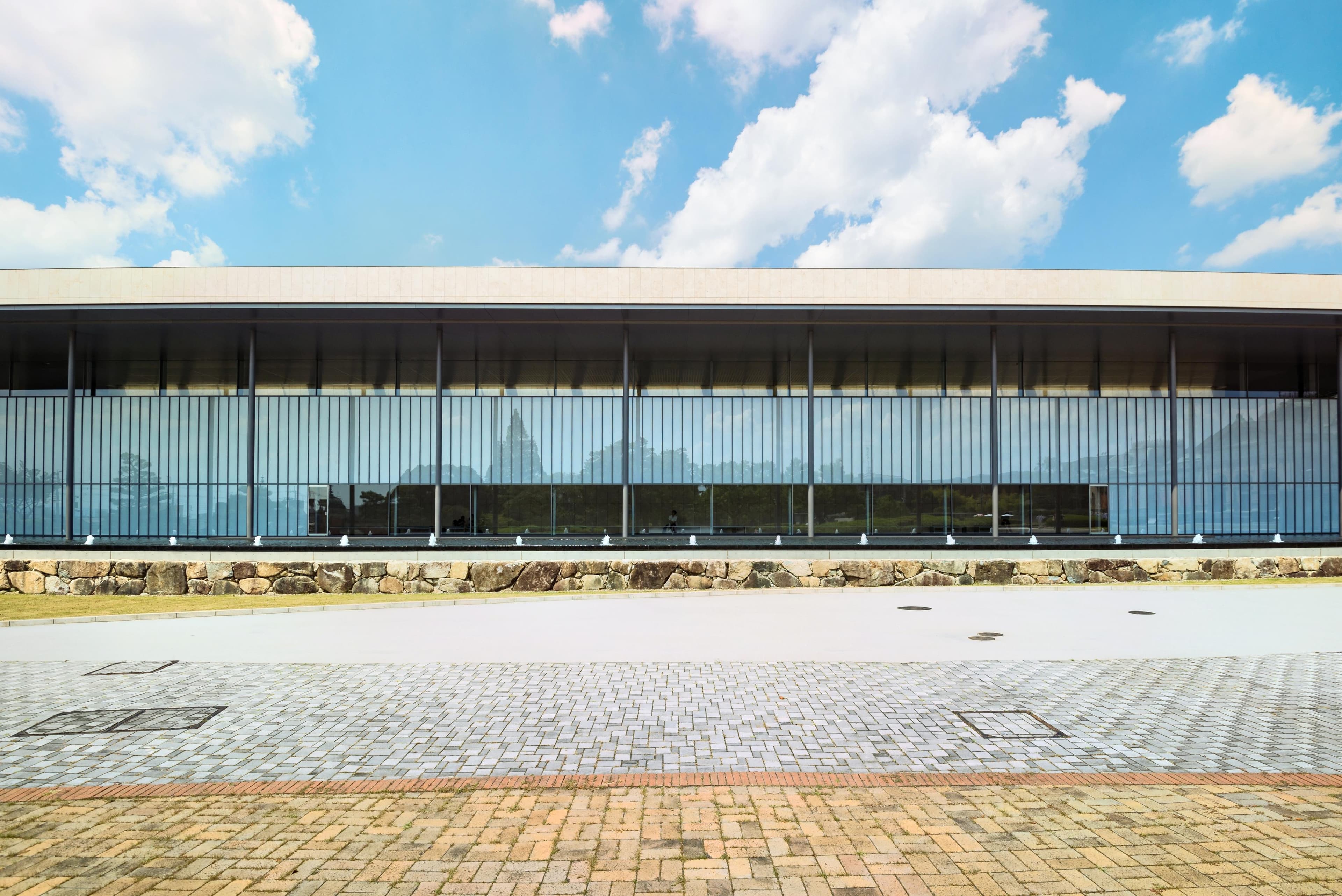
Sanjusangendo Temple is easily accessible. Many reviewers mention taking city buses (such as lines 100 or 206) from Kyoto Station, with the journey costing around ¥230. The temple is located directly across from the Kyoto National Museum, making it a convenient stop if you're visiting both. For those walking, it's about a 30-minute walk from Gion or Kyoto Station. The nearest train station is Shichijo Station, from which it's a short walk. Parking is available for those driving, though public transport is widely recommended in Kyoto.
The most common 'complaint' or point of note is the strict no-photography policy inside the main hall. While some visitors express disappointment, many others find that it enhances the experience, allowing for deeper contemplation. Guards are present and enforce this rule diligently. Another minor point is that the exterior of the temple is relatively plain compared to the stunning interior. However, this only serves to heighten the impact upon entering the hall. Be prepared for a reverent atmosphere, as it is an active religious site.