The Kyoto National Museum, established in 1897, is one of Japan's premier cultural institutions, dedicated to collecting, preserving, and exhibiting cultural properties centered on Kyoto. It plays a crucial role in showcasing the rich artistic and historical heritage of the Kansai region, with a focus on pre-modern Japanese and Asian art.
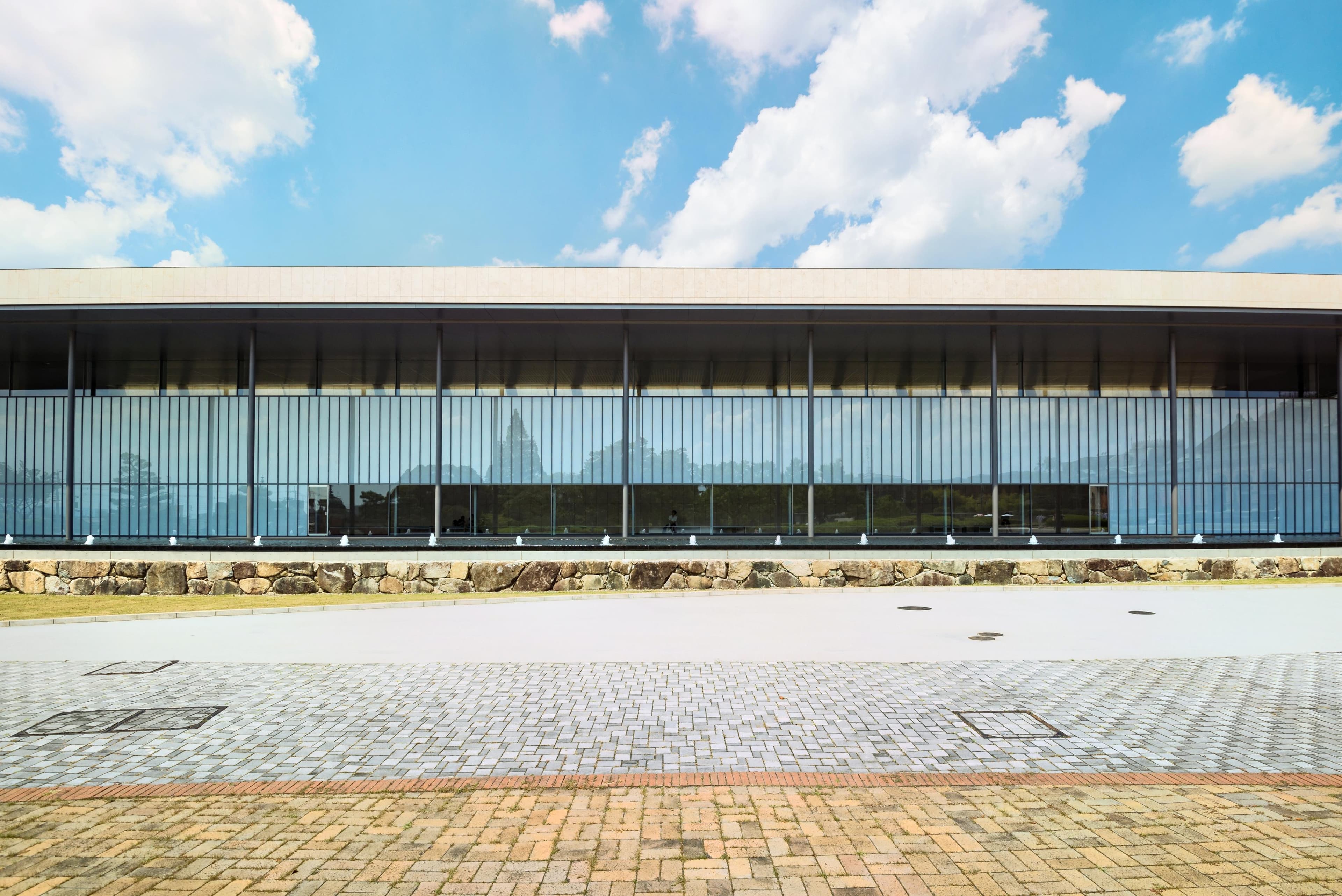
Visitors consistently praise the museum for its well-curated special exhibitions, which often feature national treasures and important cultural properties. Many find the modern Heisei Chishinkan building, designed by Yoshio Taniguchi, to be impressive and well-lit, providing an excellent environment for viewing artifacts. The museum's manageable size is frequently highlighted as a positive, allowing for a thorough visit without feeling overwhelmed, unlike some larger national museums. Reviewers often recommend it as an ideal indoor activity for rainy or hot days, offering a cool, quiet escape. The availability of English captions for exhibits and an audio guide (though some find it less comprehensive than expected) is also appreciated.
However, a recurring point of contention among visitors is the frequent closure of the historic Meiji Kotokan (Old Main Hall) for renovations or specific events, leading to disappointment for those expecting to see its grand architecture or a broader permanent collection. Some visitors also express frustration with the museum's strict no-photography policy inside the exhibition halls and the perceived overzealousness of staff in enforcing rules, which can detract from the experience. The collection, while high quality, is sometimes described as limited or focused heavily on Buddhist artifacts, leading some to expect more diversity given Kyoto's status as a cultural hub. The admission fee is occasionally cited as expensive, especially when only a portion of the museum is accessible.
To reach the Kyoto National Museum, public transport is highly recommended. From Kyoto Station, take city bus numbers 100, 206, or 208 from stop D2. The bus stop is clearly marked and located directly next to the museum. For those staying in the Gion area, an air-conditioned bus ride is also a convenient option. Walking from Kyoto Station is possible but takes about 20 minutes, which might be pleasant on a nice day. If driving, be aware of potential parking limitations.
To mitigate potential disappointment, it is strongly advised to check the museum's official website for current exhibition schedules and building closures before your visit. This will clarify which parts of the museum are open and what special exhibitions are on display, helping manage expectations regarding the collection's scope and the accessibility of the historic building. Renting an audio guide can enhance understanding, though some English descriptions are provided. Plan for approximately 1.5 to 2 hours to fully appreciate the available exhibits.