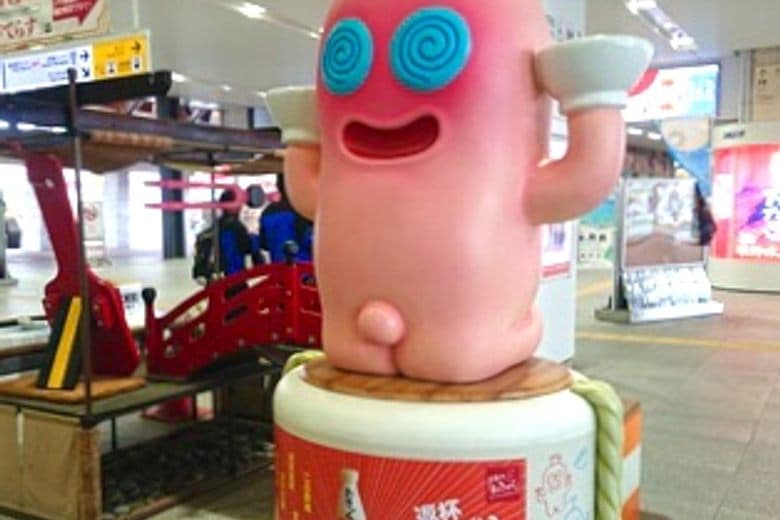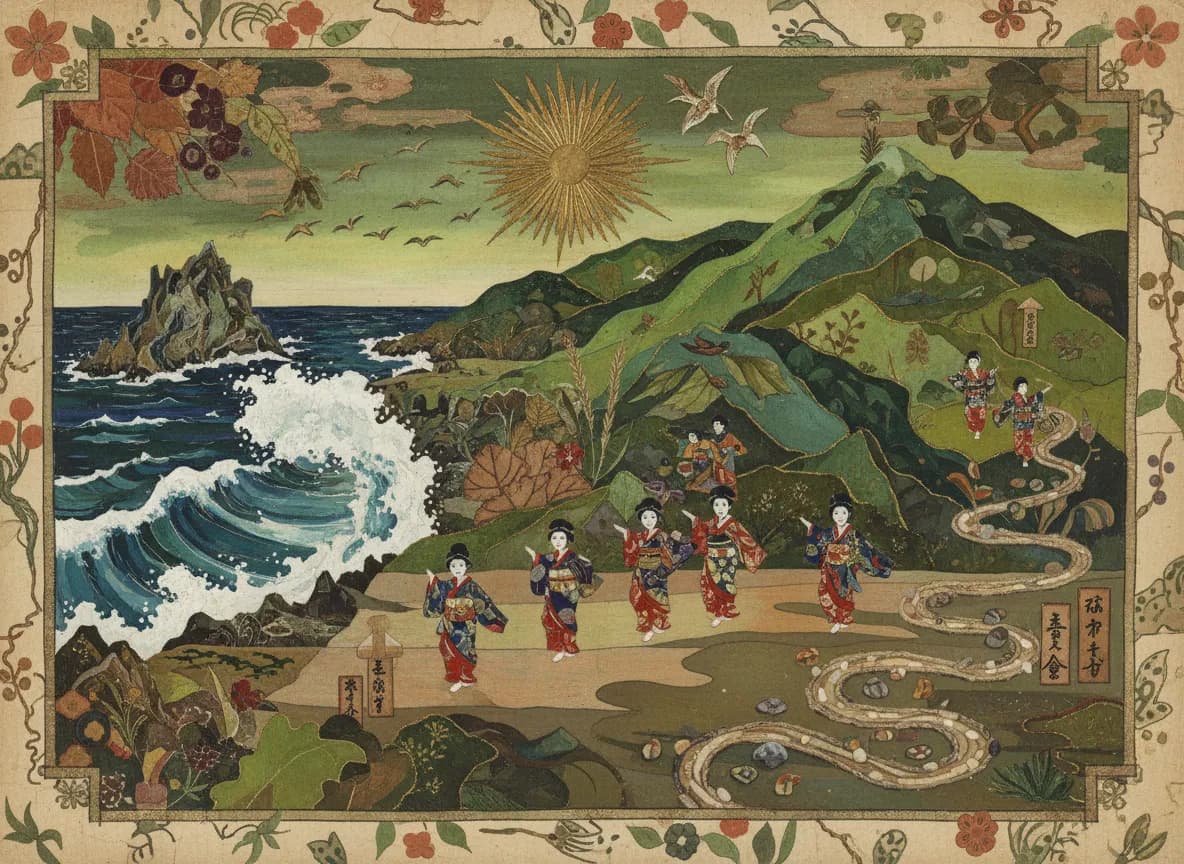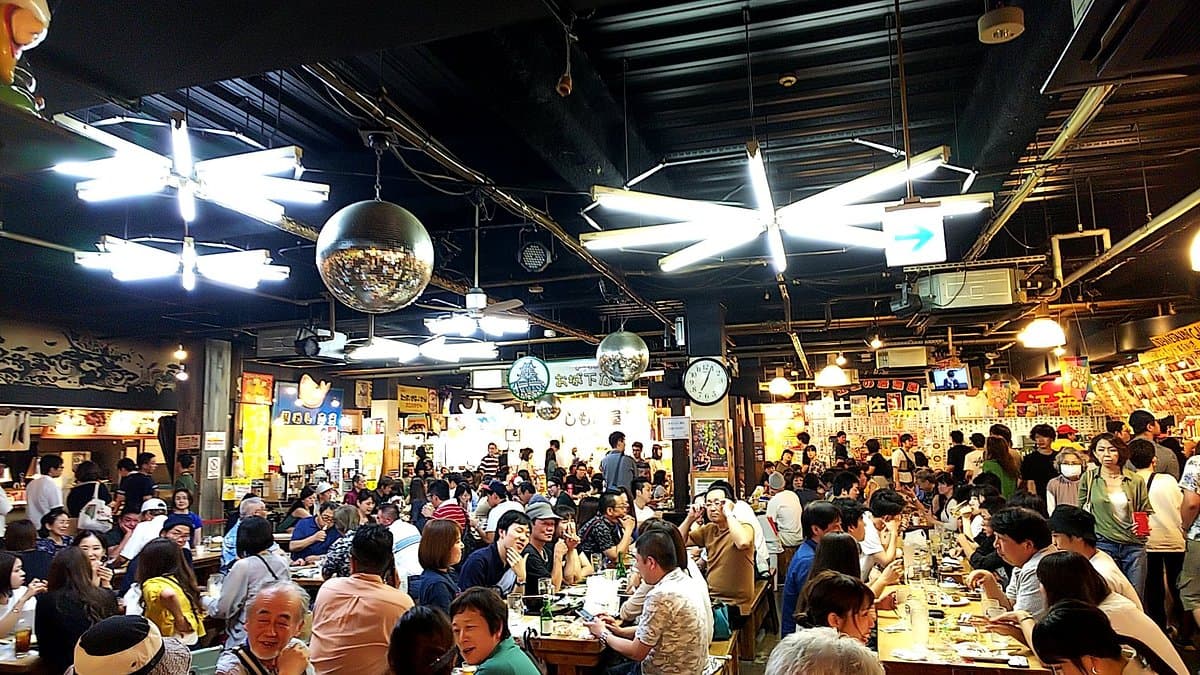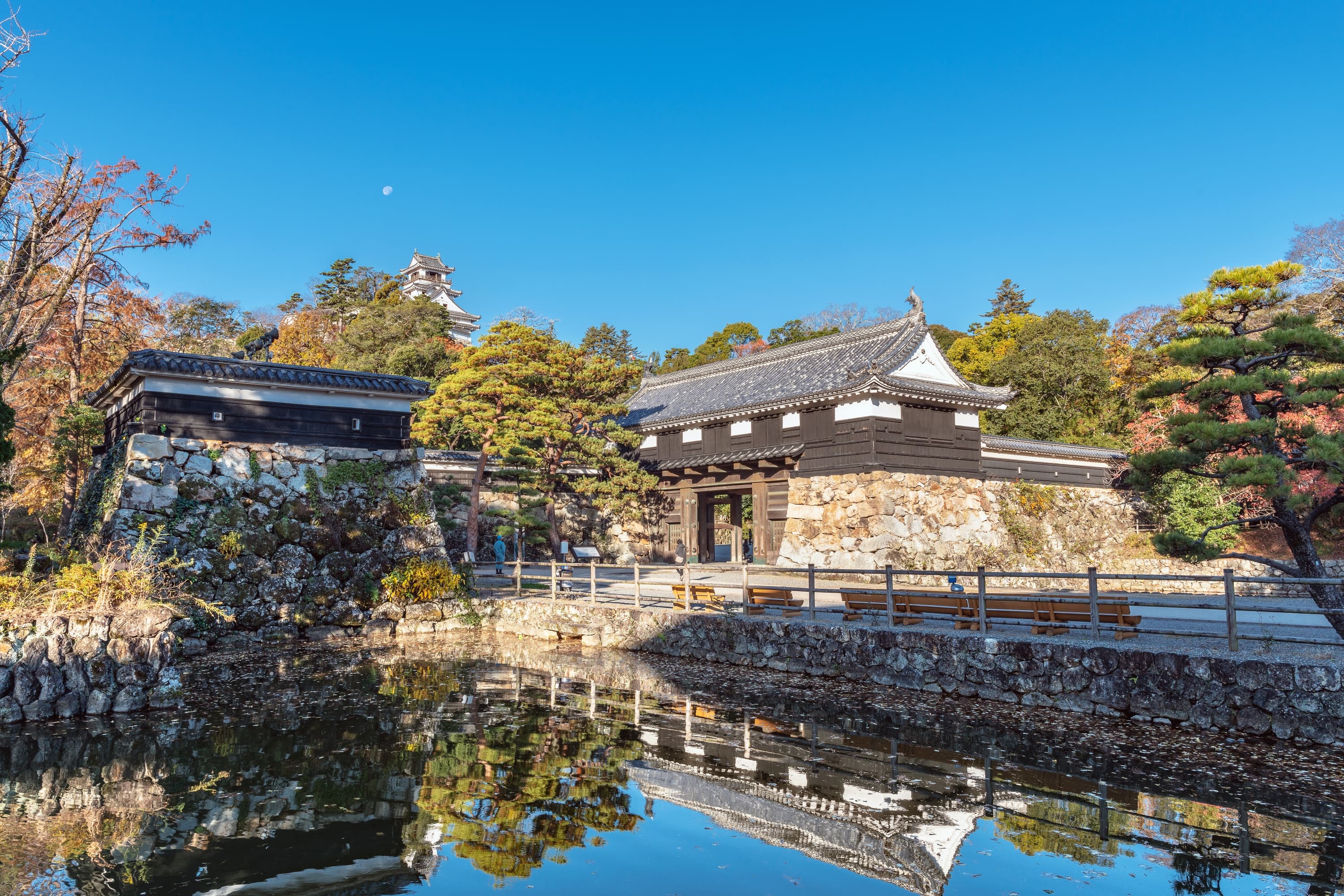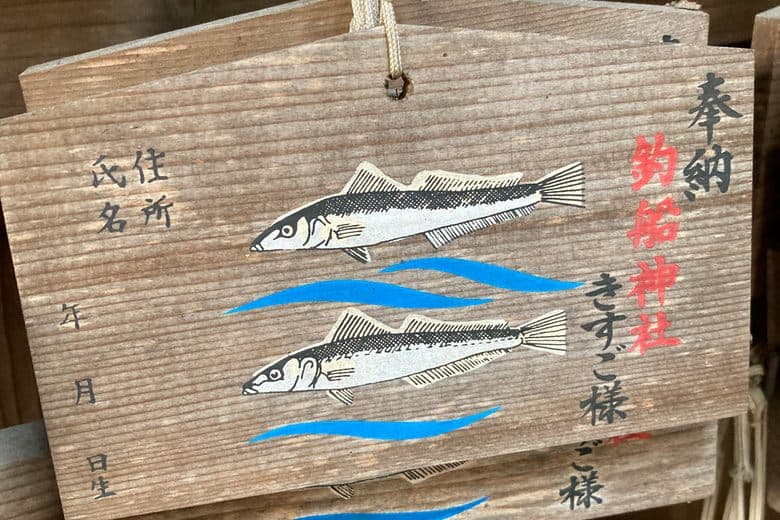
Tsuribune Shrine, meaning "fishing boat shrine," is a small but culturally significant spot nestled within the larger Kochi Hachimangu Shrine grounds in Kochi City. Its unique appeal stems from a legend involving a sacred Shinto object found among whiting fish, leading to its reputation for curing fevers. This shrine offers a glimpse into local folklore and the deep connection between the community and the sea.
Visitors consistently highlight the shrine's distinctive atmosphere, particularly the walls covered with drawings, photos, ema prayer plaques, and small figures of 'kisugo' (whiting fish). Many find the sight of these offerings, especially the ema with fish images where wishes are written, to be charming and a tangible representation of local beliefs. The shrine becomes particularly busy during exam season, as students and parents seek blessings for health and success, underscoring its role in daily life.
To fully appreciate Tsuribune Shrine, plan to spend about 30 minutes to an hour. It's best visited as part of a larger exploration of the Kochi Hachimangu Shrine complex. There's no specific entry fee, and visitors can freely observe the offerings and the unique decorations. Consider bringing a small offering of your own, or simply purchase an ema plaque at the shrine office to participate in the tradition. The shrine is generally quiet outside of exam periods, offering a peaceful experience.
The shrine is conveniently located just a short walk from Kochi Station, making it easily accessible by public transport. Upon exiting the station, head towards the first bridge leading into the city center. The shrine is situated within a small grove of trees nearby. Walking is the most straightforward way to reach it, and no specific bus or train lines are needed beyond arriving at Kochi Station itself.
There are no significant complaints about Tsuribune Shrine, as its small size and specific cultural niche mean visitors generally arrive with appropriate expectations. The main point to remember is that it is a minor shrine, not a grand temple, so manage expectations regarding its scale. Its charm lies in its unique story and the visible expressions of local faith.