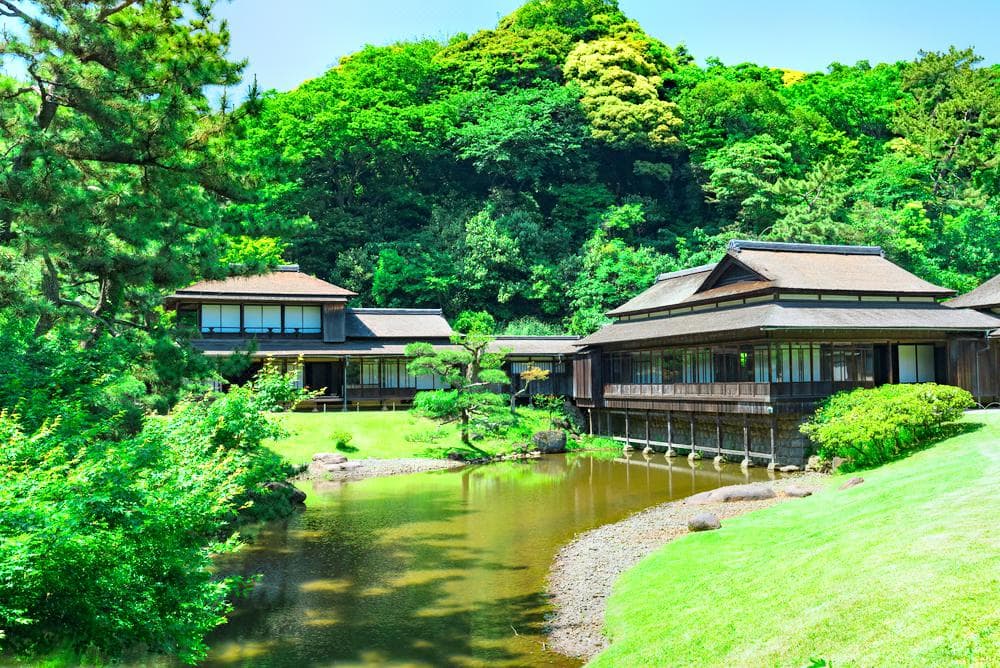
Yokohama Negishi Forest Park is a large urban park with a rich history, built on the former site of the Yokohama Racecourse and later a U.S. military golf course. Today, it serves as a significant green lung for the city, offering expansive lawns, walking paths, and a unique connection to its equestrian past through the Horse Museum and stables.
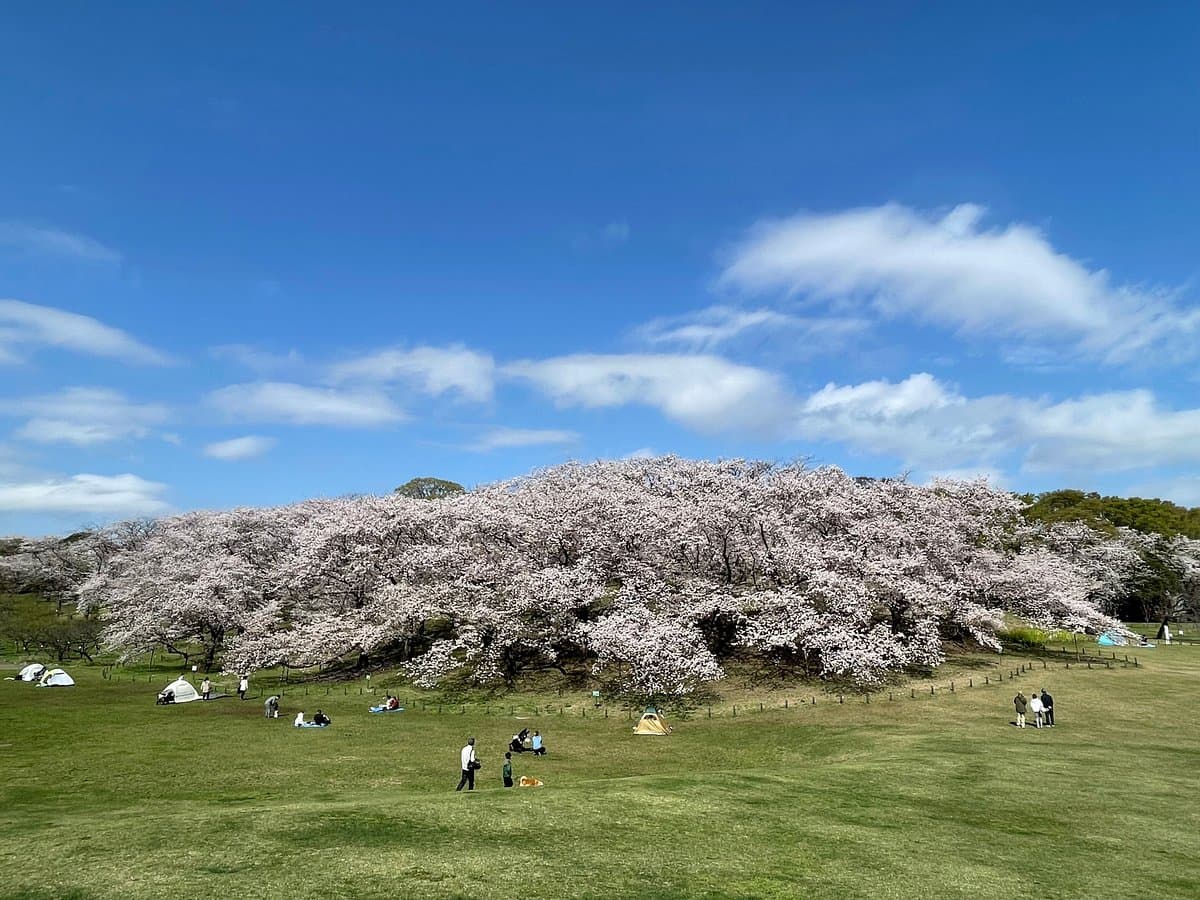
Visitors consistently praise the park for its sheer size and tranquil ambiance, making it an ideal spot for relaxation and outdoor activities. Many highlight its suitability for families with children, citing spacious areas for play and picnics. The park truly shines during the cherry blossom season, with numerous reviewers recommending it as a less crowded alternative to other popular sakura viewing spots in Yokohama. The presence of a jogging course, a pond, and even live horses adds to its appeal, providing varied experiences for different interests.
For a fulfilling visit, consider bringing your own food and drinks for a picnic, as many reviewers suggest. While there are vending machines and some food shops nearby, packing your own ensures convenience. The park is best enjoyed on a sunny day, allowing for full appreciation of its open spaces. Allow at least 2-3 hours to explore comfortably, especially if you plan to visit the Horse Museum or simply relax on the lawns. Early mornings or late afternoons are often less busy, offering a more peaceful experience.
The park is located in Negishidai, Naka-ku. While specific public transport lines are not frequently mentioned in reviews, its location suggests accessibility via local bus routes from major Yokohama stations. Driving is also an option, with parking likely available, though visitors should check for current parking fees and availability. The park is generally considered a local spot, so detailed tourist-oriented transport information might be less prominent.
A common observation is that the park is more geared towards locals seeking a quiet escape rather than a major tourist attraction. Some visitors note its simplicity, suggesting it might not offer the 'wow' factor of more elaborate gardens. To mitigate this, manage expectations and focus on the park's strengths: its vastness, tranquility, and historical significance, rather than expecting intricate landscaping or numerous attractions.