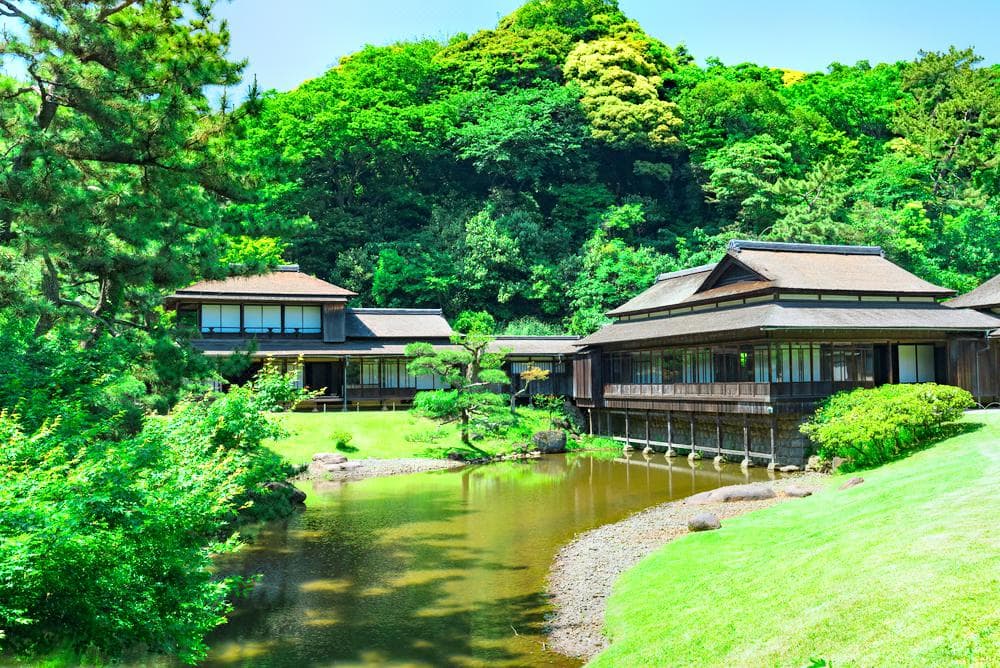
Sankeien Garden is a sprawling traditional Japanese garden, originally established by wealthy silk merchant Tomitaro Hara (Sankei) in the early 20th century. What makes it particularly significant is its collection of historic buildings, many of which are designated Important Cultural Properties, carefully dismantled and reassembled here from various locations across Japan, including Kyoto and Nara. These structures, ranging from tea houses and farmhouses to a three-story pagoda, are set amidst a landscape of ponds, streams, and diverse flora, offering a unique blend of natural beauty and architectural heritage.
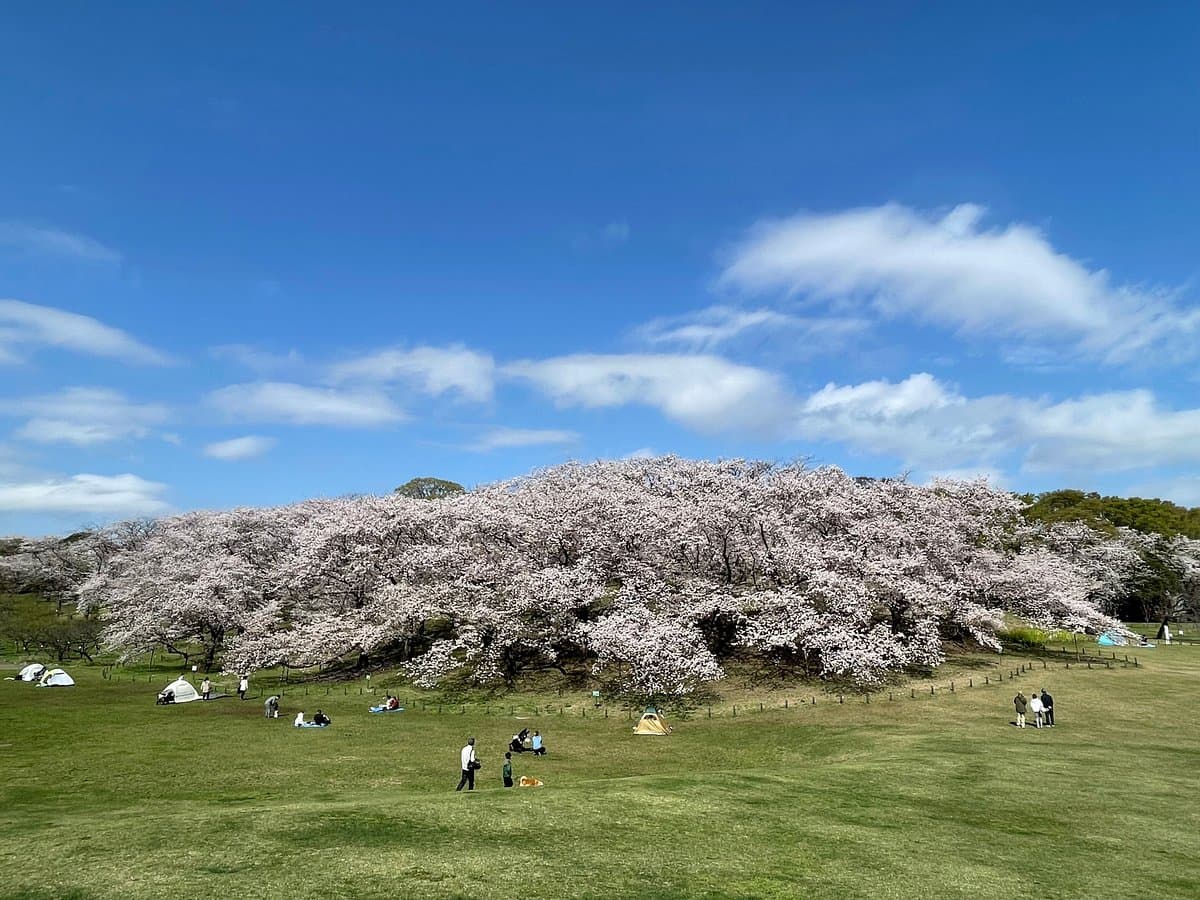
Visitors consistently highlight the garden's serene and peaceful ambiance, describing it as a welcome escape from the bustling city. Many reviewers are impressed by the meticulous upkeep of the grounds and the authenticity of the relocated buildings. The seasonal beauty is a major draw, with cherry blossoms in spring, vibrant irises in early summer, and stunning autumn foliage receiving frequent praise. The opportunity to participate in a traditional tea ceremony or enjoy matcha and Japanese sweets at the tea houses is also a popular activity, adding to the cultural experience. The presence of volunteer guides, often fluent in English, is frequently mentioned as a valuable asset, enhancing visitors' understanding of the garden's history and features.
To make the most of your visit, plan to spend 2-3 hours exploring the garden at a leisurely pace. Comfortable walking shoes are highly recommended, as paths are often gravel and some areas, like the ascent to the pagoda, involve inclines. Reviewers suggest visiting early in the morning to avoid crowds, especially during peak seasons like cherry blossom or autumn. Bringing insect repellent is advisable, particularly during warmer months, as some visitors reported mosquito bites. While there are cafes and a restaurant on-site, some visitors recommend bringing your own snacks or a picnic to enjoy amidst the tranquil surroundings.
Sankeien Garden is not directly accessible by train, requiring a bus ride from major Yokohama stations. From Sakuragicho Station (JR line), take bus number 8 or 148 from bus stand no. 2. The bus fare is typically 220 JPY one way, and the ride takes about 20-30 minutes depending on traffic. The garden entrance is a 5-7 minute walk from the "Sankeien Iriguchi" bus stop. Alternatively, from Yokohama Station, buses 8 and 148 also serve the garden. Some visitors opt for a taxi from central Yokohama, which takes about 20 minutes and costs around 2000-2500 JPY, especially if traveling in a group or with limited mobility. The circular bus route means the return journey might involve a slightly longer walk to a different bus stop, so checking the bus schedule is recommended.
A common complaint among some visitors, particularly those who visited outside of peak seasons, is the perceived lack of vibrant floral displays or that some buildings might be closed for private use. To mitigate this, it's best to research the garden's seasonal highlights before your visit. While the garden's design is beautiful year-round, its full splendor is often tied to specific blooming periods. Additionally, some find the location a bit "off the beaten path," but most agree that the effort to get there is well worth it for the unique experience it offers.