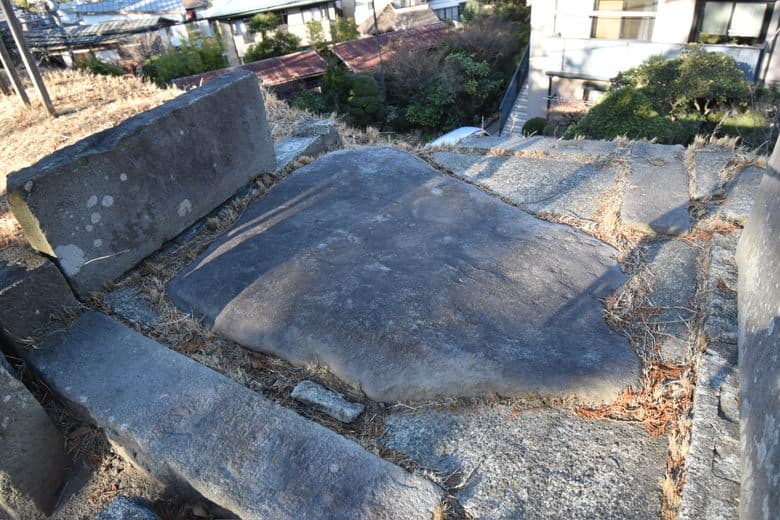
The Yatozaka Kiridoshi Pass is a historical mountain pass, one of many 'kiridōshi' (cut-through passes) that once served as vital arteries connecting medieval Kamakura. These passes were strategically carved through mountains, not only facilitating traffic but also acting as natural defenses against invaders. While less known than Kamakura's 'Seven Entrances,' Yatozaka offers an authentic, untamed experience of these ancient routes, showcasing the ingenuity of medieval Japanese engineering and the enduring presence of history within a modern residential landscape.
Visitors consistently highlight the pass's secluded and wild nature. Reviewers often praise the sense of discovery and tranquility found along the trail, noting the ancient Buddhist steles and burial grottos that add to its historical atmosphere. The path is described as serene and almost eerie, with tree roots twisting and tangling, creating a unique, natural tunnel effect. However, the overgrown nature of the path is also a recurring theme, with some finding it difficult to navigate or locate.
For those planning a visit, it's advisable to wear sturdy walking shoes suitable for uneven and potentially muddy terrain. A visit typically takes about 1 to 2 hours, allowing time to explore the two surviving sections, though only one is publicly accessible. Given its hidden nature, it's best to visit during daylight hours. There are no facilities directly at the pass, so bring water and any other necessities. This is not a place for those seeking manicured trails or easy access; it appeals more to adventurers and history buffs.
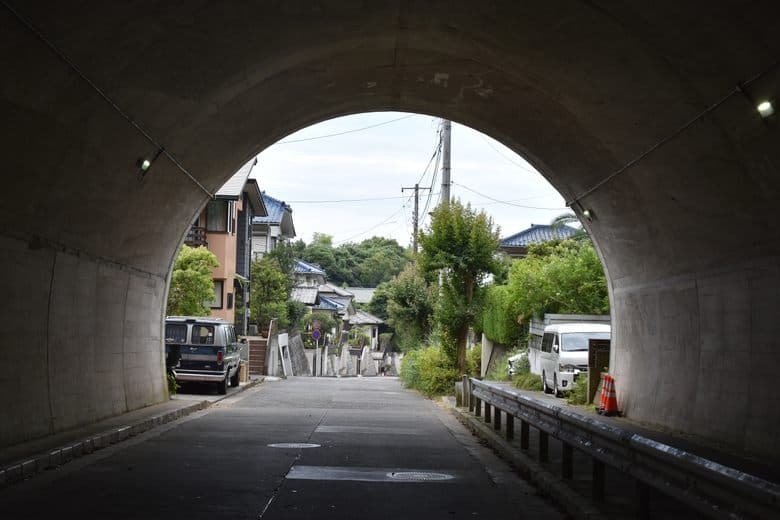
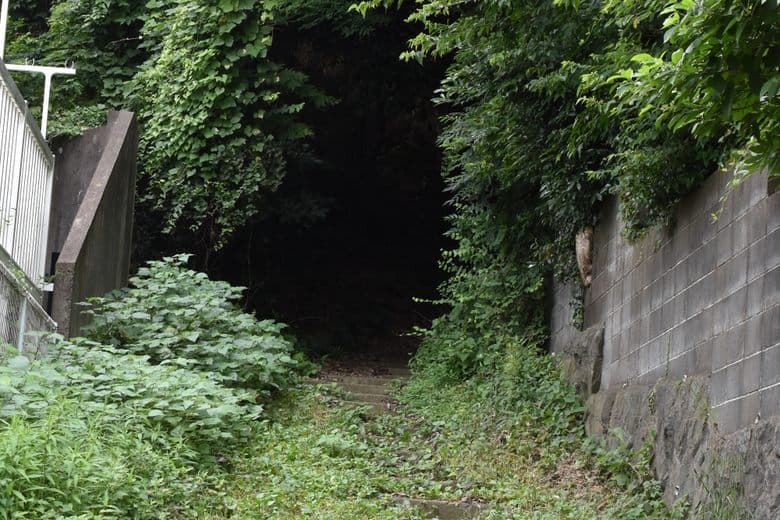
Locating the Yatozaka Kiridoshi Pass can be challenging as it's nestled within a residential district. There is no direct public transport stop at the pass itself. Visitors often report that the entrance, particularly to the 'Onna-zaka' section, is inconspicuous and hidden among private residences. It is recommended to use a detailed map or GPS and be prepared for some searching. The pass is located in the western residential district of Tebiro, near a more modern road built in 1957 that runs towards Enoshima, below the hill. This modern road also features a kiridōshi-like section in front of the Shōren-ji Buddhist temple, which can serve as a landmark, though the ancient pass is distinct and hidden nearby.
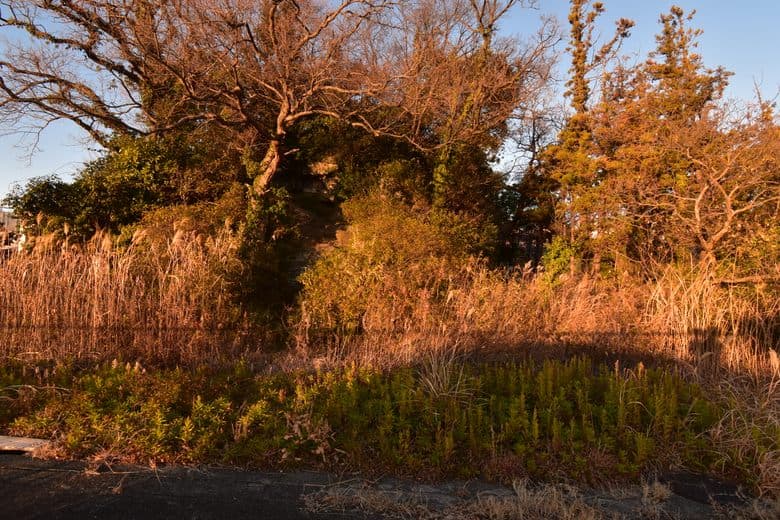
The primary complaint from visitors is the difficulty in finding the pass and its overgrown condition. To mitigate this, it's crucial to research the exact entrance points beforehand and be prepared for a rustic, unmaintained trail. Some parts might be heavily vegetated, making navigation tricky. It's not recommended for those with mobility issues or young children who might struggle with the uneven terrain.