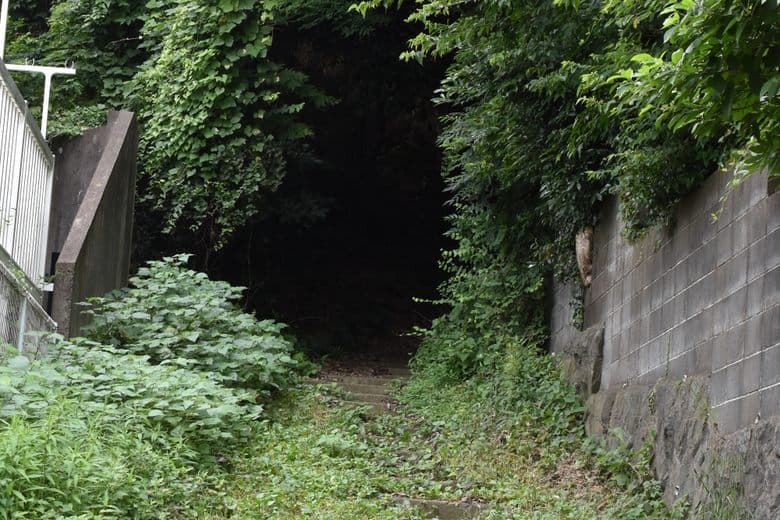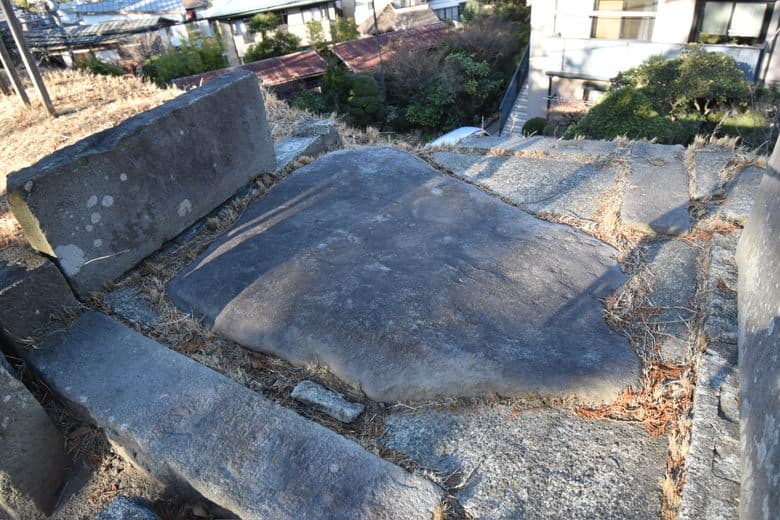
Jinde is a small, unassuming plot of land in Kamakura, notable for its historical significance and the presence of the Nakitō, or Crying Pagoda. This site is believed to be the burial ground for warriors who fell during the climactic Battle of Kamakura in 1333, specifically Regent Moritoki and his men. The pagoda itself, erected in 1356, is shrouded in mystery, with its nickname stemming from various local legends, including the sound of wind resembling crying or the pagoda's supposed nightly wails when moved from its original location. It represents a poignant, if somber, connection to a pivotal moment in Japanese history, marking the end of an era.
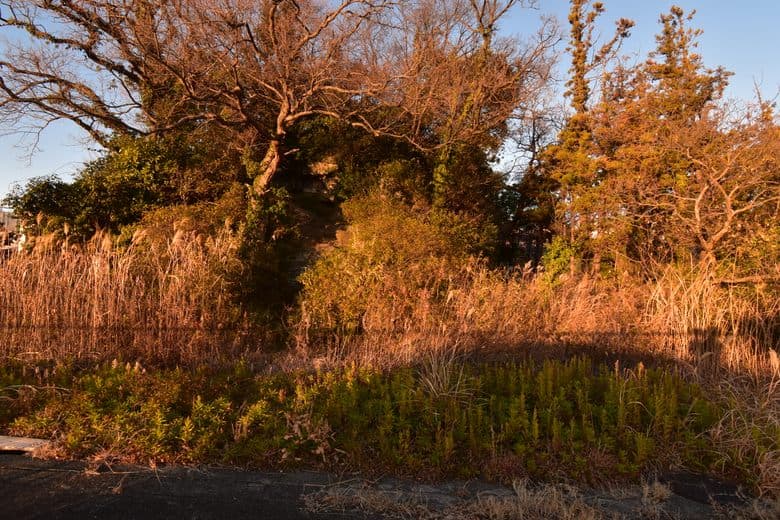
Visitors to Jinde often describe a quiet, somewhat eerie atmosphere, reflecting its reputation as a haunted or cursed place. The site remains undeveloped, standing in stark contrast to the surrounding modern landscape, which contributes to its mysterious aura. Reviewers appreciate the unique historical narrative and the sense of stepping into a forgotten past. However, some visitors find the site underwhelming due to its small size and lack of extensive interpretive signage, expecting a more dramatic monument given its historical weight. The appeal lies more in the story and the feeling it evokes rather than grand visual spectacle.
For those interested in visiting, it's advisable to approach Jinde with an appreciation for its historical context and local folklore rather than expecting a major tourist attraction. There are no facilities or extensive pathways, so comfortable shoes are recommended. A visit typically takes a short amount of time, perhaps 15-30 minutes, to absorb the atmosphere and reflect on its history. It's best visited during daylight hours, as its secluded nature might feel unsettling after dark. There are no entry fees, making it an accessible historical point of interest.
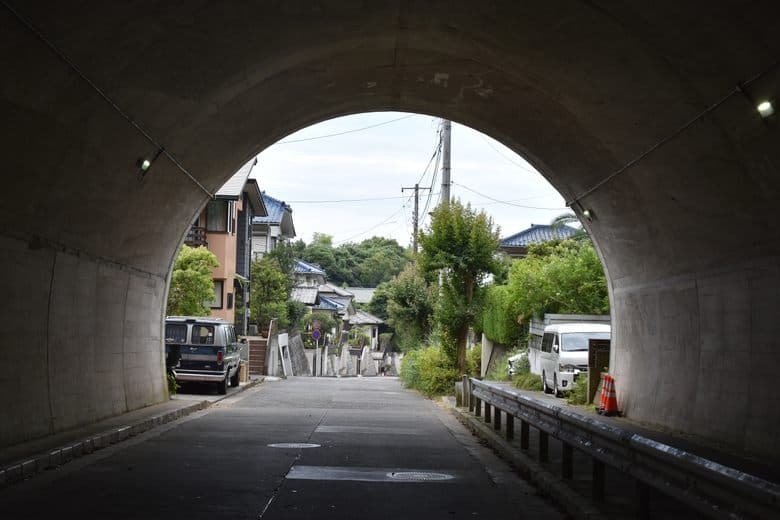
Jinde is located on the outskirts of Kamakura, away from the main tourist areas. Public transportation options to the immediate vicinity are limited. Visitors typically reach Kamakura by train (JR Yokosuka Line) and then may need to take a local bus or a taxi to get closer to the site. Walking from central Kamakura can be a considerable distance, so planning your route in advance using a map application is highly recommended. Parking is generally not available directly at the site, so if driving, you might need to find parking in a nearby residential area or a paid lot further away and walk.
A common complaint is the lack of clear directions or prominent signage, making it somewhat difficult to locate. To mitigate this, ensure you have precise GPS coordinates or a detailed map. Some visitors also express disappointment that the site is simply a small, undeveloped plot, which can be anticlimactic if one expects a grand memorial. Managing expectations by understanding its nature as a subtle historical marker rather than a large-scale monument will enhance the experience.