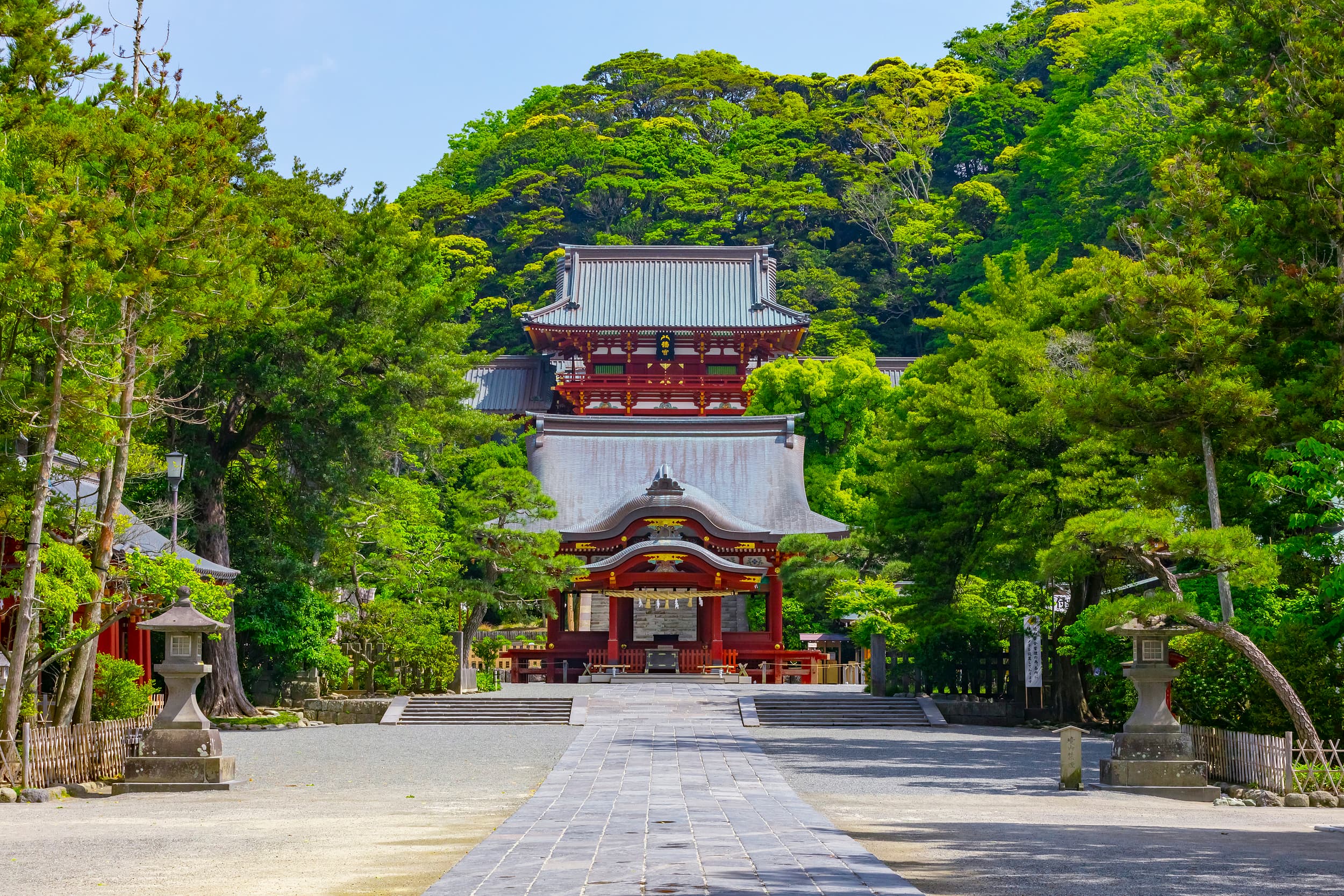
Tsurugaoka Hachimangu is a prominent Shinto shrine in Kamakura, deeply rooted in Japan's history as the spiritual heart of the Kamakura Shogunate. Founded in 1063 and moved to its current location in 1180 by Minamoto no Yoritomo, it served as the guardian shrine of the Minamoto clan and the samurai class, making it a crucial site for understanding Japan's feudal past and the origins of samurai culture.
Visitors frequently highlight the shrine's impressive scale and aesthetic appeal. The vibrant vermilion buildings, meticulously maintained gardens, and picturesque ponds filled with lotuses, fish, and turtles are consistently praised. Many reviewers mention the unique experience of witnessing traditional Japanese weddings, which often take place on weekends, adding a special charm to the visit. The atmosphere is generally described as lively yet peaceful, especially in the early mornings. The approach to the main shrine, featuring a long pedestrian boulevard (Dankazura) and a grand staircase, is also a significant draw, offering panoramic views of the city from the top.
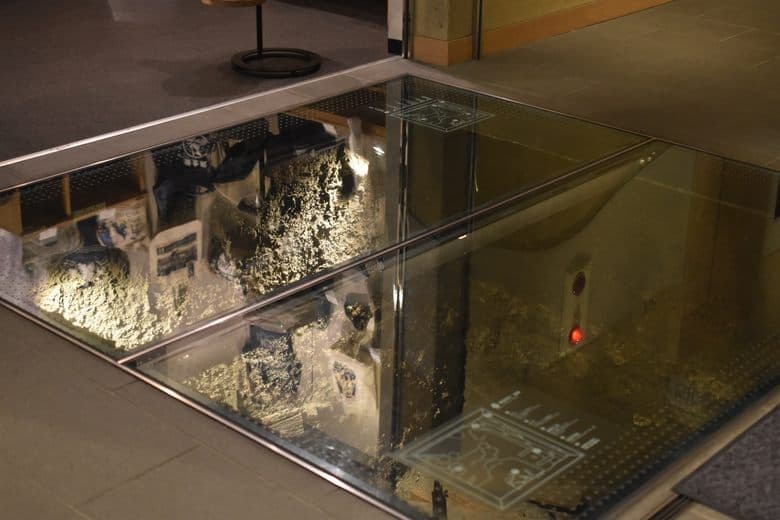
To make the most of your visit, plan to spend 1 to 3 hours exploring the grounds. Arriving early in the morning, ideally before 9 AM, is highly recommended to avoid the crowds, which can be substantial, especially on weekends and during peak seasons like cherry blossom (early April) or New Year's (Hatsumode). While the main shrine is free to enter, a small museum on the grounds has an admission fee of 200 yen; some visitors find it worthwhile for historical context, while others suggest it can be skipped. Be prepared for a significant number of stairs to reach the main hall; however, alternative gentler slopes or paths are available on the sides for those with mobility concerns. Wearing comfortable shoes is advisable. Many visitors enjoy renting kimonos in Kamakura to enhance their experience and photo opportunities at the shrine.
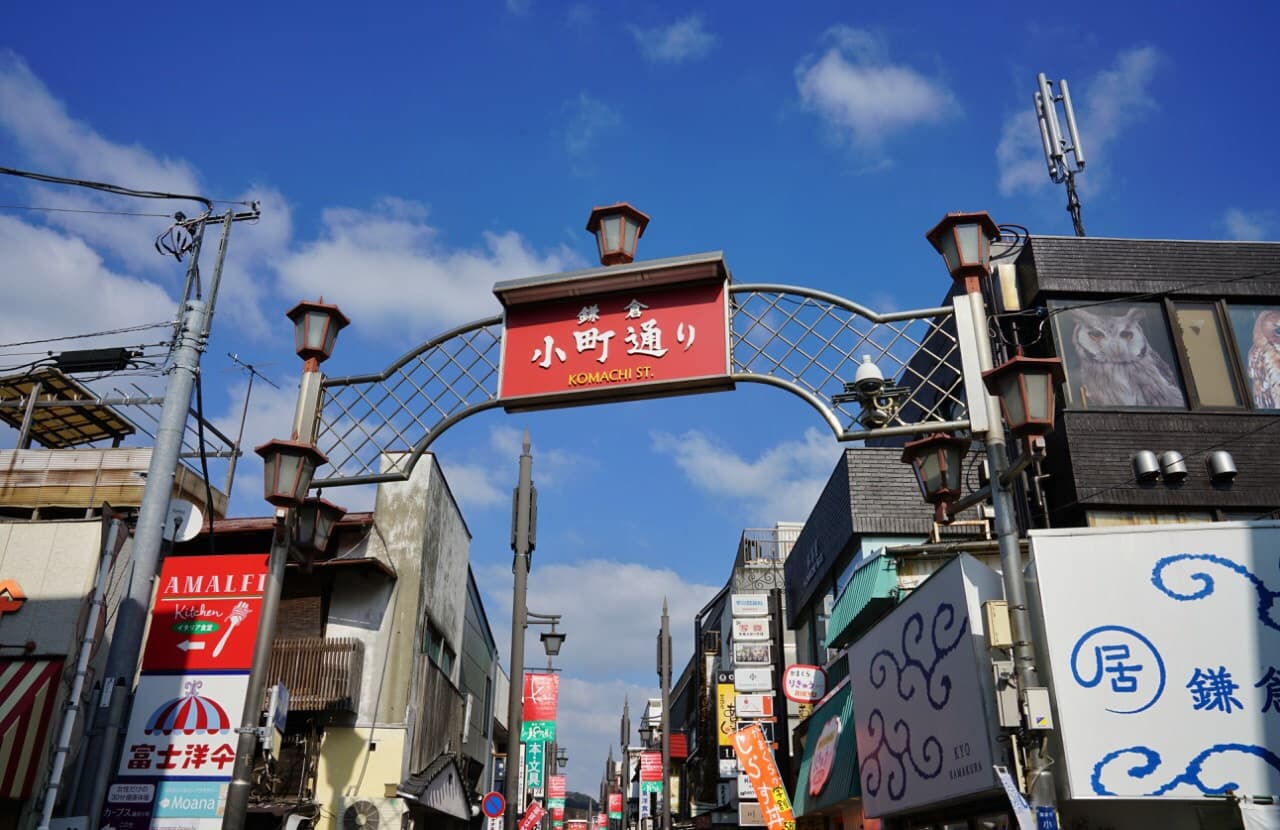
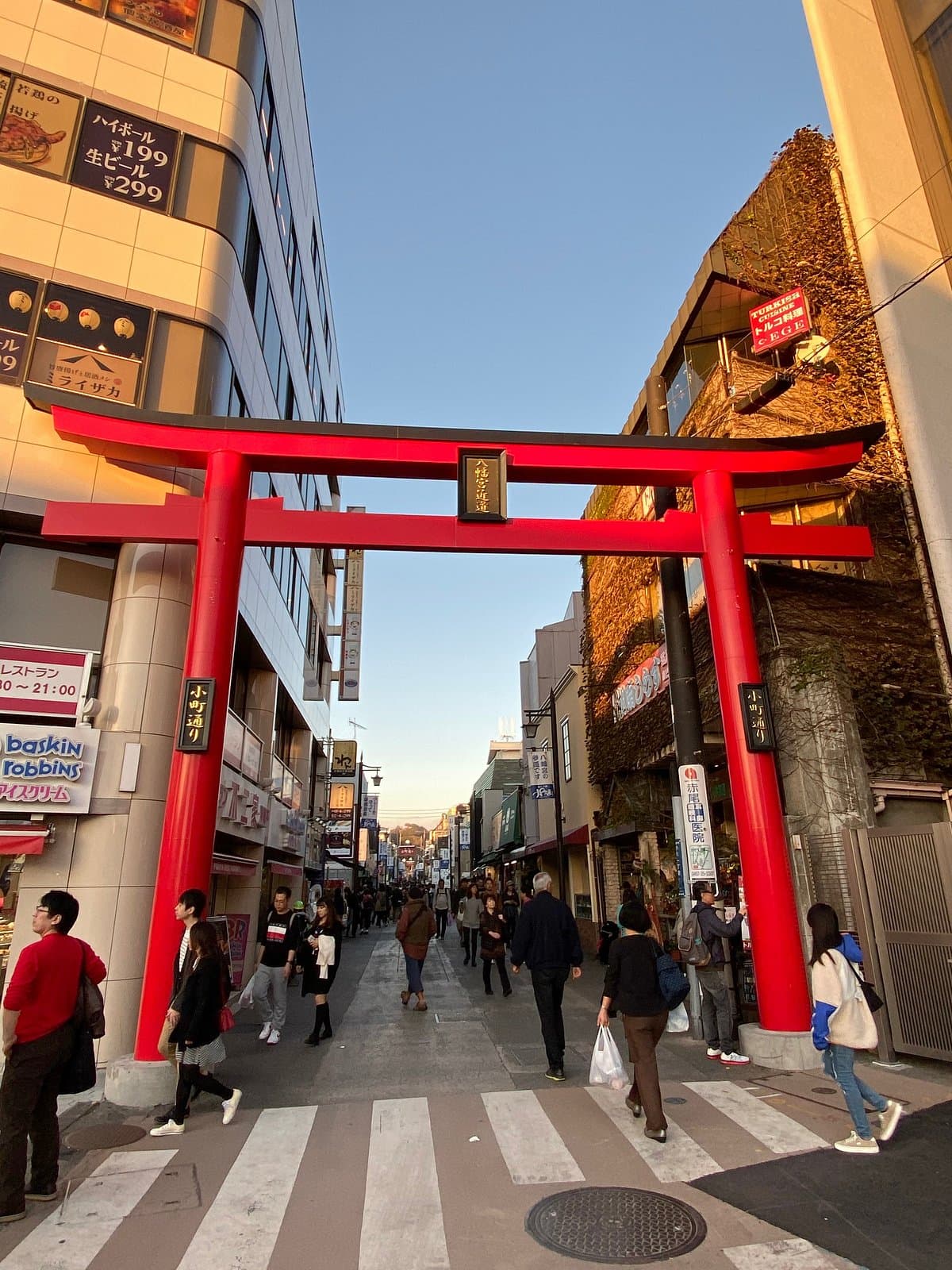
Tsurugaoka Hachimangu is conveniently located a 10-15 minute walk from JR Kamakura Station (East Exit). The most popular route is to follow Komachi-dori, a bustling shopping street, directly to the shrine. This walk itself is considered an integral part of the experience, offering numerous shops and food stalls. Alternatively, some reviewers mention taking a bus to the "Hachimangu-mae" stop. For those driving, parking can be an issue, especially on crowded days, so public transport is generally preferred.
A common complaint among visitors is the sheer volume of tourists, particularly on weekends and holidays, which can detract from the tranquility. To mitigate this, visiting on a weekday or arriving early in the morning is crucial. Some also find the main shrine itself, while grand, to be similar to other Japanese shrines, suggesting that the surrounding gardens and the overall historical context are what truly set it apart. The gravel paths can be dusty or uncomfortable for some, so appropriate footwear is important.