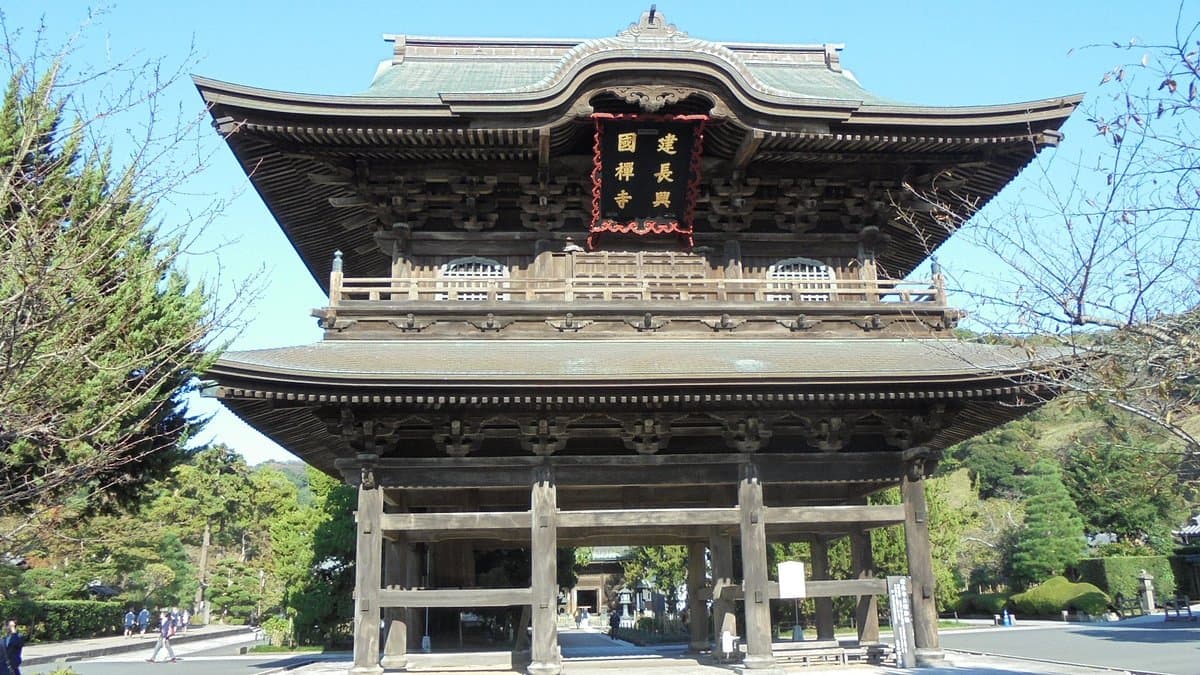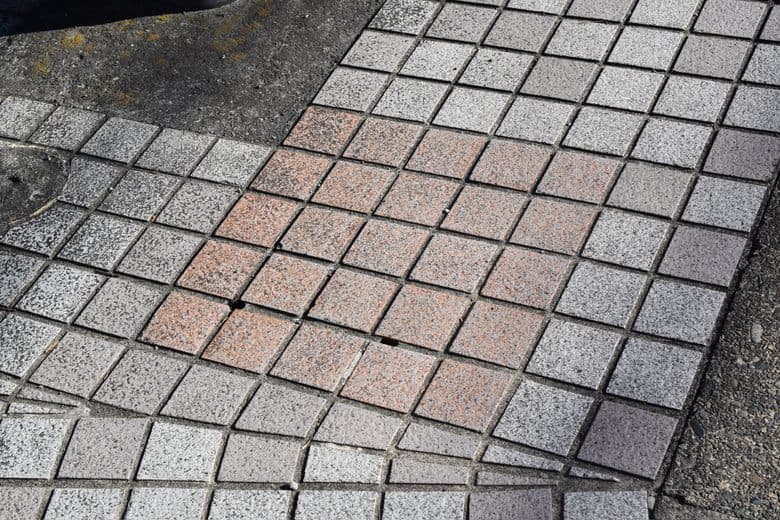
The Site of the Golden Dragon Spring (Kinryū-sui) is a historical marker in Kamakura, signifying the former location of one of the five most celebrated springs of the Edo period. While only three of these springs survive today, Kinryū-sui, along with Furō-sui, was lost to urban development. Its significance lies in its historical context as a once-renowned natural feature in front of the main gate of Kenchō-ji Temple, now subtly indicated by a patch of red tiles contrasting with the surrounding pavement.
Visitors interested in the deeper layers of Kamakura's history, particularly its natural and spiritual heritage, will find this site intriguing. However, it's important to manage expectations; there is no grand monument or flowing water. The site is essentially a section of tiled road. Reviewers often note its understated nature, emphasizing that its appeal is primarily intellectual and historical rather than visual or experiential. It serves as a quiet testament to the impermanence of natural landmarks in a developing city.
To fully appreciate this site, it's recommended to approach it with prior knowledge of Kamakura's Edo-period springs. Spend only a few minutes here, as its visual offerings are minimal. There are no facilities or specific activities associated with the site itself. It's best visited as part of a larger exploration of the Kenchō-ji Temple area, perhaps after visiting the temple itself, to provide context. There are no entry fees or specific opening hours, as it is part of a public road.
The site is located in front of the main gate of Kenchō-ji Temple. Kenchō-ji is accessible by bus from Kamakura Station (JR Yokosuka Line). Take a bus bound for Kita-Kamakura or Ōfuna and alight at the Kenchō-ji bus stop. From there, the site is a very short walk. Alternatively, Kenchō-ji Temple is about a 15-20 minute walk from Kita-Kamakura Station. The spring site is on the main road directly outside the temple's entrance, making it easy to spot if you know what to look for.
A common complaint, or rather an observation, is the lack of any official historical marker or plaque. This means that without prior research or a knowledgeable guide, the site is easily overlooked and its significance entirely missed. To mitigate this, ensure you have read about the Golden Dragon Spring beforehand and know precisely where to look for the distinctive red tiles.