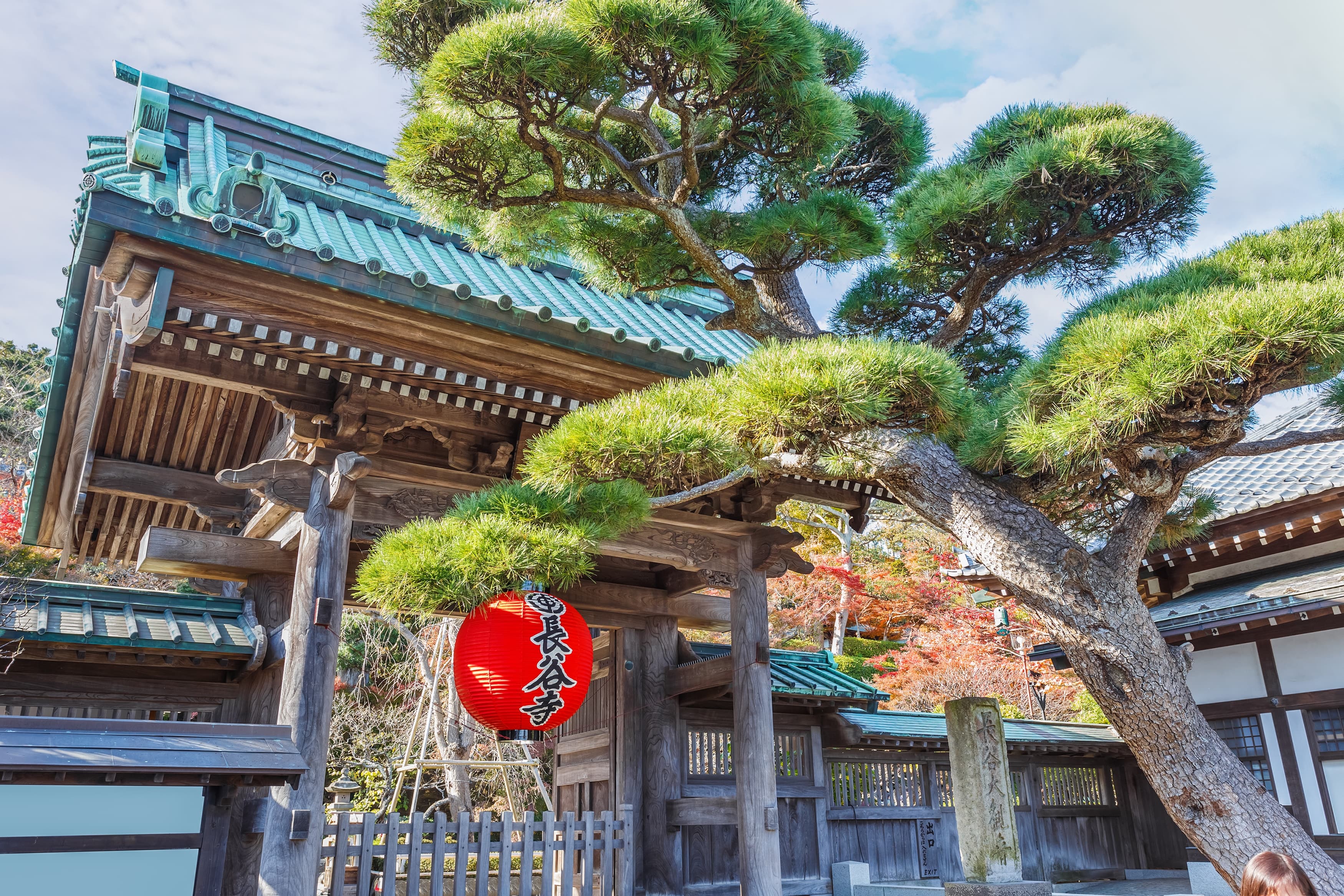
The Thirty-Three Avatars of Kannon are housed in the Kannon Museum, a newly renovated treasury within the extensive Hase-dera Temple complex in Kamakura. This collection is significant because it features a rare, intact set of 33 polychrome statues from the Muromachi period (1336-1573), depicting the diverse manifestations of Kannon Bodhisattva, the goddess of mercy. While Hase-dera is primarily known for its large Kannon statue and seasonal hydrangeas, this museum offers a deeper dive into Buddhist iconography that often goes unnoticed by casual visitors.
Visitors consistently praise the intricate detail and vivid colors of the statues, noting how impressive it is to see the various forms Kannon takes, including non-human figures like the half-bird Karura and the six-armed Ashura. Many reviewers find the collection to be a hidden gem, offering a quiet and contemplative experience away from the main temple crowds. The rarity of such a complete and well-preserved set of avatars is a recurring theme in positive feedback, with some considering it an under-appreciated treasure of Kamakura.
To make the most of your visit, allocate about 30-60 minutes specifically for the museum after exploring the main temple grounds. It's best visited during off-peak hours of the temple, typically earlier in the morning or later in the afternoon, to enjoy a more serene experience. Since it requires an additional ticket beyond the main temple entrance fee, ensure you factor this into your budget. There are no specific items to bring, but comfortable shoes are always recommended for exploring the temple complex.
Hase-dera Temple is easily accessible by public transport. It is about a 5-minute walk from Hase Station on the Enoden Line. The Enoden Line itself can be accessed from Kamakura Station, which is a major hub served by JR lines. From Kamakura Station, take the Enoden Line two stops to Hase. The temple is well-signposted from the station. Driving is generally not recommended due to limited parking and traffic in Kamakura, especially during peak seasons.
A common complaint is that the museum's existence and the additional fee are not always clearly communicated, leading some visitors to miss it or feel surprised by the extra cost. To mitigate this, be aware that it is a separate attraction within the temple grounds and plan accordingly. Some also find the museum to be relatively small, so manage expectations regarding its size, focusing instead on the quality and significance of the collection.