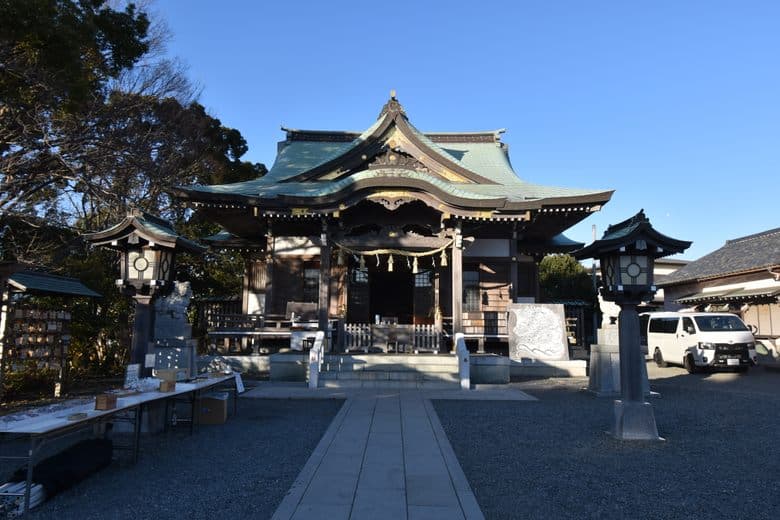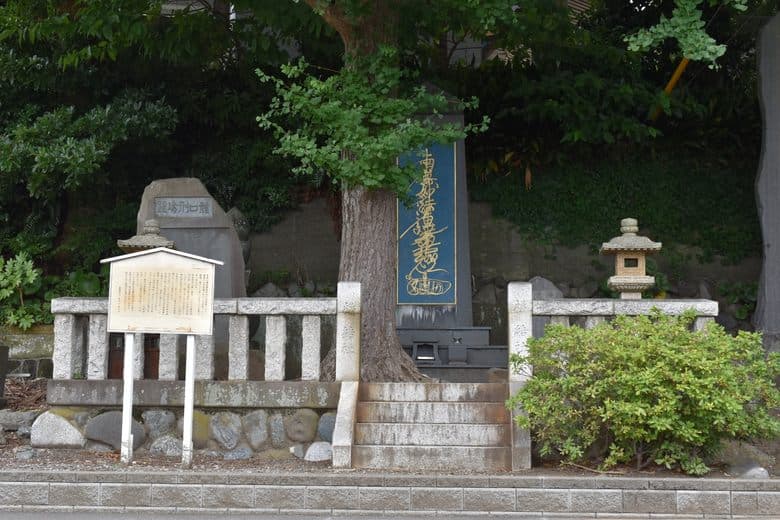
The Tatsunokuchi Execution Grounds, now the serene setting for Ryūkō-ji Temple, holds a significant place in Japanese history, particularly from the Kamakura (1185–1333) to the Muromachi (1336–1573) periods. This site was one of the major execution grounds of its time. Its most famous event is the Tatsunokuchi Hōnan incident in 1260, where the Buddhist saint Nichiren was miraculously spared from beheading when a celestial orb of light reportedly distracted his executioner. This incident is a cornerstone of Nichiren Buddhism, making the site a pilgrimage destination for its followers.
Visitors often describe the atmosphere as solemn and reflective, appreciating the historical weight of the location. While there isn't a grand visual spectacle, the temple grounds offer a quiet space for contemplation. Those interested in Japanese religious history or the life of Nichiren will find the visit particularly rewarding, as it provides a tangible link to these pivotal events. Reviewers suggest that understanding the historical context beforehand significantly enhances the experience.
To make the most of a visit, it is recommended to allocate about 1 to 2 hours. The best time to visit is during daylight hours, allowing for a peaceful exploration of the temple grounds. There are no specific items to bring, but comfortable walking shoes are advisable as the temple is situated atop a hill. While there are no direct mentions of money-saving tips in reviews, the site itself does not have an entry fee, making it an accessible historical destination.
The Tatsunokuchi Execution Grounds, now Ryūkō-ji Temple, is located in Fujisawa, Kanagawa. It is easily accessible by public transport. The nearest station is Katase-Enoshima Station on the Odakyu Enoshima Line, or Enoshima Station on the Enoshima Electric Railway (Enoden). From either station, the temple is within walking distance, typically a 10-15 minute uphill stroll. The walk offers views of the surrounding area and Enoshima Island. Driving is also an option, though parking availability might be limited in the immediate vicinity.
A common complaint, or rather an observation, is that without prior knowledge of its history, the site might appear to be just another temple. To mitigate this, visitors are strongly encouraged to research the Tatsunokuchi Hōnan incident and the significance of Nichiren before arriving. This preparation transforms the visit from a simple walk through temple grounds into a profound historical and spiritual experience.