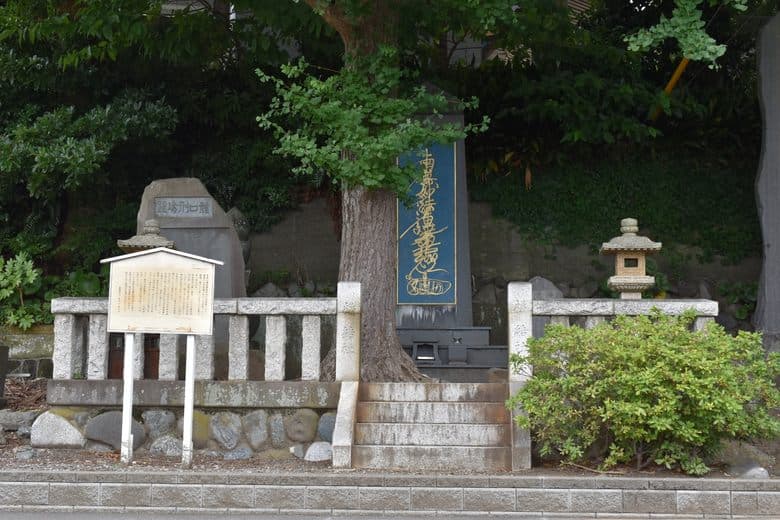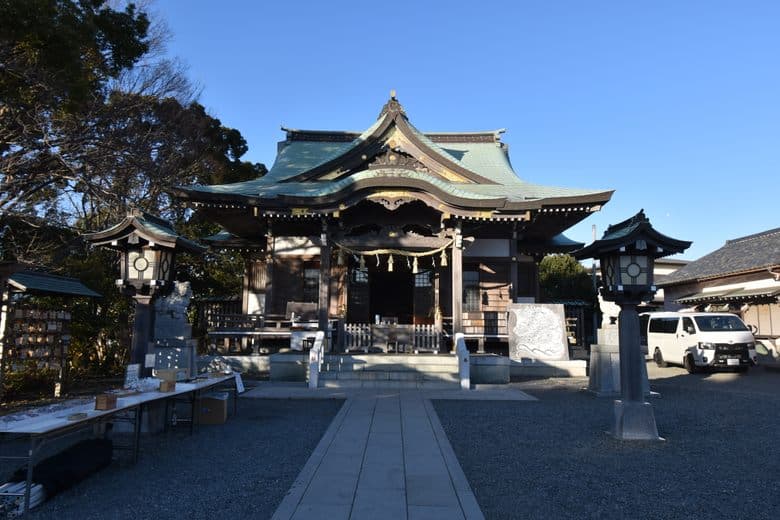
Ryuko-Myojin Shrine holds a unique place in Japanese mythology as the only shrine dedicated to Gozūryū-Ōkami, the Five-Headed Dragon God. Its significance stems from the ancient legend of the dragon, once a bringer of disaster, who fell in love with the goddess Benzaiten and vowed to change his ways. This tale of transformation and devotion is deeply embedded in the local folklore of Kamakura, making the shrine a point of interest for those exploring the spiritual and historical narratives of Japan.
Visitors consistently describe the shrine as a peaceful and unassuming spot, often noting its quiet atmosphere away from the more crowded tourist areas. While not a grand architectural marvel, its charm lies in its historical narrative and the sense of tranquility it offers. Reviewers appreciate the opportunity to connect with a lesser-known but deeply rooted local legend. There are no specific warnings about the site itself, but rather an understanding that its appeal is niche.
To fully appreciate the shrine, visitors should allocate about 30-60 minutes. It is best visited during daylight hours to enjoy the serene surroundings. There are no facilities or shops directly at the shrine, so it's advisable to bring water if needed. As it is a place of worship, respectful attire is appropriate. There are no specific money-saving tips as entry is free.
The shrine is located roughly a 15-minute walk from the nearest JR railway station. Visitors should plan to use public transport to reach the Nishi-Kamakura area and then proceed on foot. Specific bus lines are not mentioned in reviews, but the walk from the JR station is generally considered manageable. Parking information is not readily available, suggesting public transport is the preferred method of access.
Common complaints are not about the shrine itself, but rather the potential for visitors to find it underwhelming if they are expecting a large, bustling attraction. To mitigate this, approach the visit with an appreciation for its historical and mythological context rather than its physical grandeur. Its value lies in its story and the quiet reflection it offers.