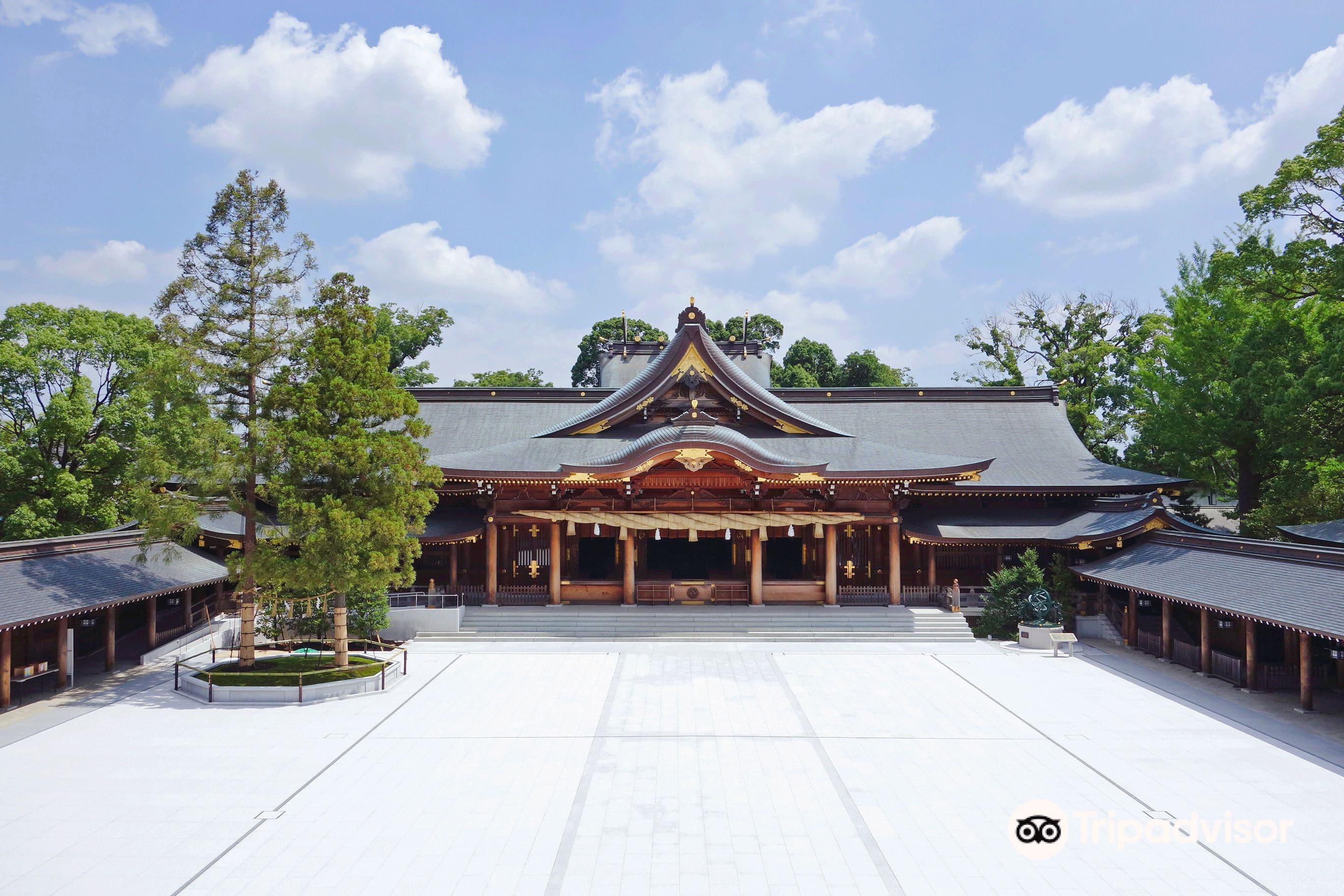
Samukawa Shrine, an ancient Ichinomiya (first shrine) of Sagami Province, holds significant spiritual importance as the only shrine in Japan dedicated to Happo-yoke, the warding off of misfortune from all eight directions. With a history spanning over 1,600 years, it has been revered by historical figures and continues to draw a large number of worshippers seeking protection and blessings. The shrine enshrines Samukawa Hiko-no-mikoto and Samukawa Hinami-no-mikoto, collectively known as the 'Samukawa Great Gods,' and also deifies 'Happo-no-Tsukune,' making it a unique destination for spiritual seekers.
Visitors consistently praise the shrine's solemn and dignified atmosphere, noting a sense of calm even when the grounds are busy. Many come specifically for the Happo-yoke prayer service, which some describe as a deeply moving experience. The spacious grounds and beautiful traditional buildings are frequently highlighted, with several reviewers mentioning the impressive Nebuta decorations during the New Year period. The 'Kamitakesan Jingen' garden, with its pond and teahouse, is also a popular feature, offering a tranquil space for relaxation. However, some visitors mention a lack of English signage, which can make navigating certain areas or understanding the deeper cultural context challenging.
For those planning a visit, it's advisable to allocate at least 1-2 hours to fully experience the shrine, including time for the garden and perhaps a prayer service. The best times to visit are spring or early summer to avoid the New Year crowds, which can lead to prayer waiting times of several hours. If you plan to receive a special prayer, be prepared for potential waits, especially during holidays. The shrine offers various amulets and souvenirs, including the popular Happo-no-Tsukune Amulets and Traffic Safety Stickers. While the main shrine is generally accessible, some areas like the back garden might require a donation or specific prayer service for entry, as noted by some reviewers.
Samukawa Shrine is conveniently located near Miyayama Station on the JR Sagami Line, making it easily accessible by train. From the station, the shrine is approximately a 10-minute walk. For those driving, multiple parking lots are available, though they can fill up quickly during peak seasons like New Year's, leading to traffic jams. Reviewers suggest arriving early if driving during busy periods. Public transport is generally recommended to avoid parking difficulties.
A common complaint, particularly from international visitors, is the limited English information, which can hinder a full understanding of the shrine's significance and specific rituals. To mitigate this, consider researching the shrine's history and the meaning of Happo-yoke beforehand. While some reviewers expressed concern about the condition of koi in the pond, this appears to be an isolated observation and not a widespread issue. Overall, the serene environment and unique spiritual offerings outweigh minor inconveniences for most visitors.