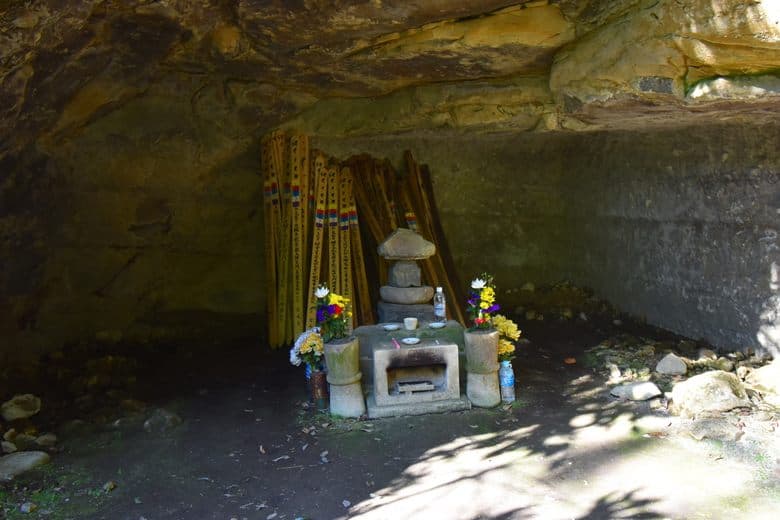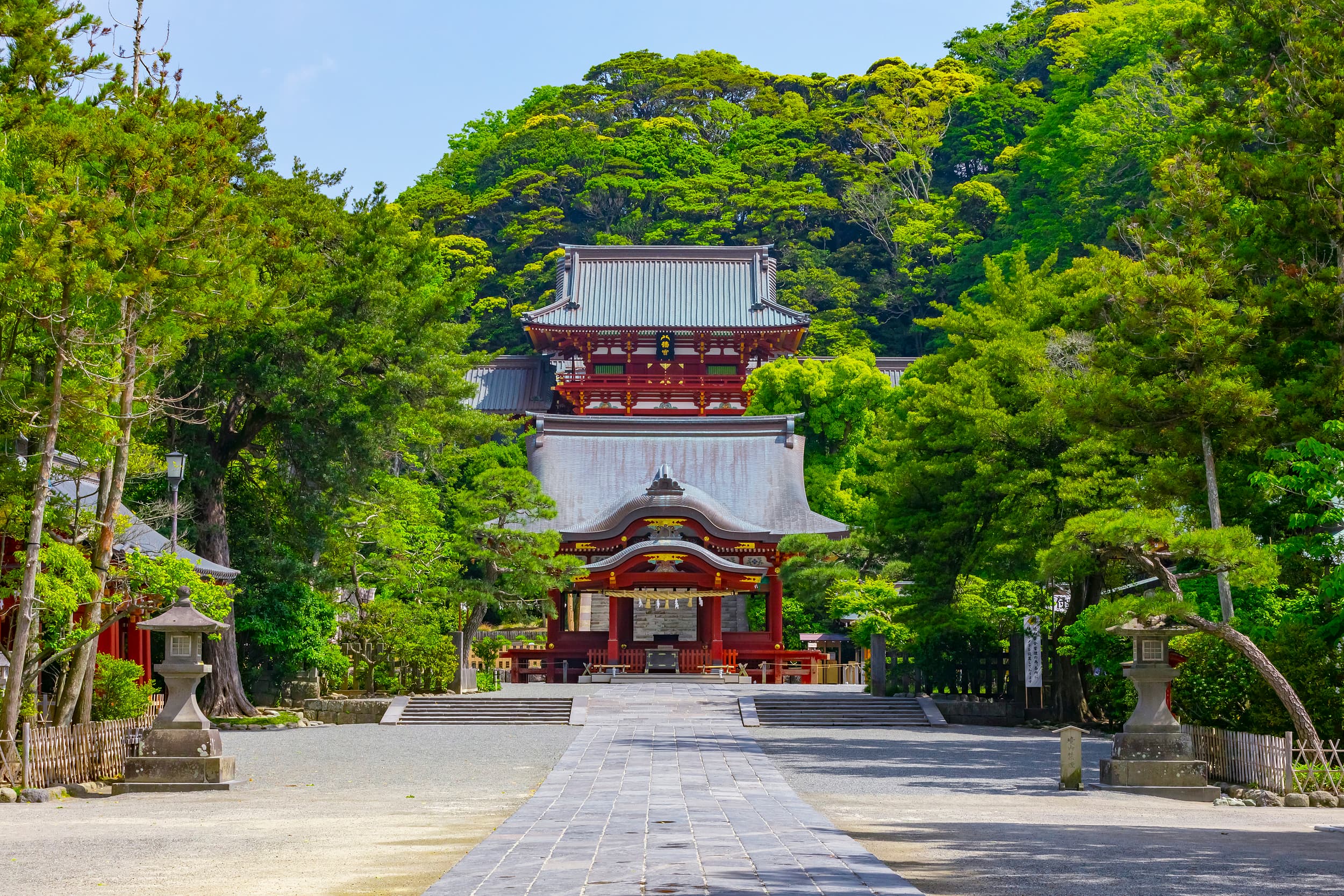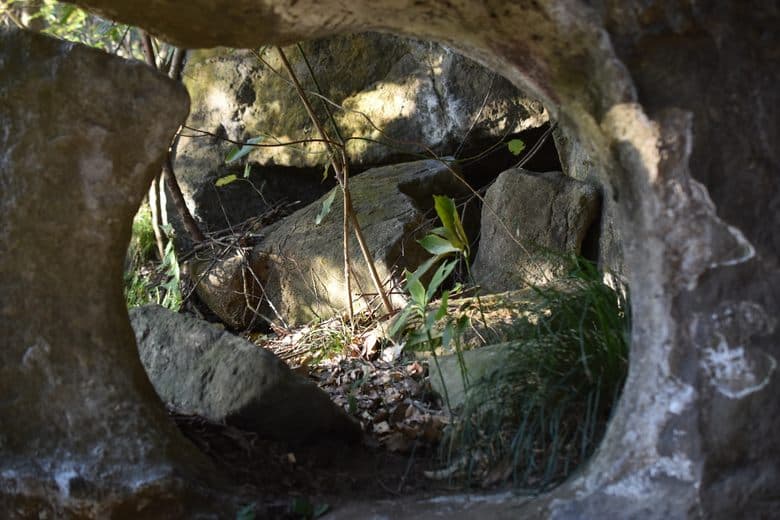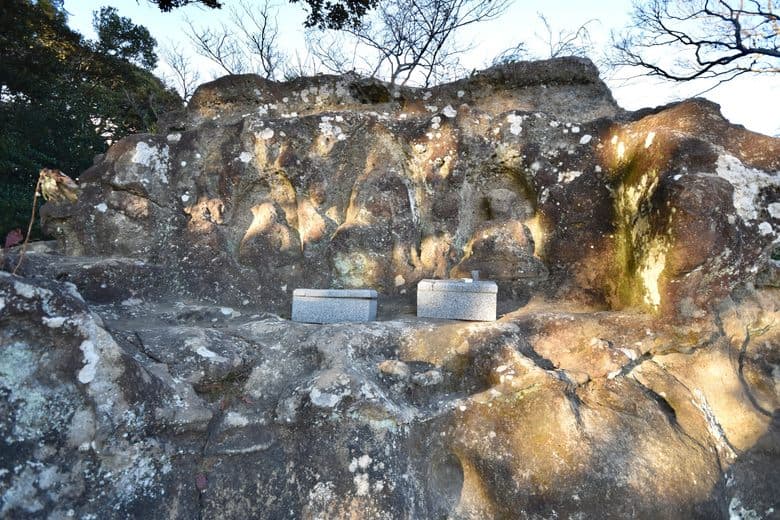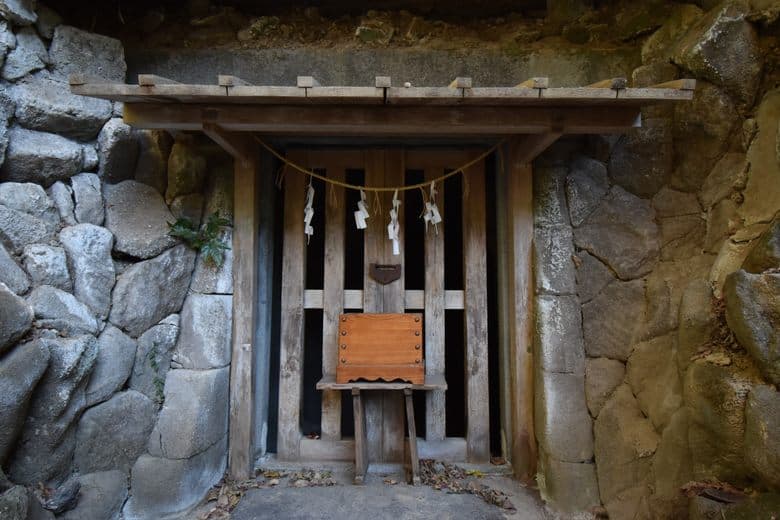
Prince Morinaga's Dungeon is a small, reconstructed grotto behind Kamakura-gū Shrine, marking the alleged site where Prince Morinaga (also known as Prince Moriyoshi) was imprisoned for ten months before his execution in 1335. This site is significant for its connection to a pivotal moment in Japanese history, specifically the fall of the Kamakura shogunate and the subsequent rise of the Ashikaga clan, making it a place of interest for those studying the period.
Visitors consistently describe the dungeon as a somber and atmospheric place, often noting the wooden bars and the confined space that evoke the prince's tragic story. Many appreciate the opportunity to connect with a specific historical event and figure, finding the site to be a poignant reminder of political intrigue and sacrifice. Reviewers often mention the quiet and reflective nature of the visit, suggesting it's a place for contemplation rather than extensive exploration.
To make the most of your visit, allocate a short amount of time, typically 10-15 minutes, as the dungeon itself is small. It is best visited as part of a larger trip to Kamakura-gū Shrine, as it is located directly behind it. There is a small entrance fee. Consider reading up on Prince Morinaga's story beforehand to fully appreciate the historical context of the site. There are no specific items to bring, but comfortable shoes are always recommended for exploring the shrine grounds.
The dungeon is accessed from the back of Kamakura-gū Shrine. Kamakura-gū Shrine is reachable by local bus from Kamakura Station. From Kamakura Station, take a bus bound for Daitōnomiya (大塔宮) and alight at the final stop. The shrine is a short walk from the bus stop. Alternatively, it's about a 30-minute walk from Kamakura Station, offering a pleasant stroll through residential areas and smaller temples.
A common observation is the dungeon's small size, which can lead to a feeling of it being less substantial than expected if visited in isolation. To mitigate this, integrate your visit with the broader experience of Kamakura-gū Shrine and its surrounding historical sites, viewing it as a specific historical marker rather than a large-scale attraction.