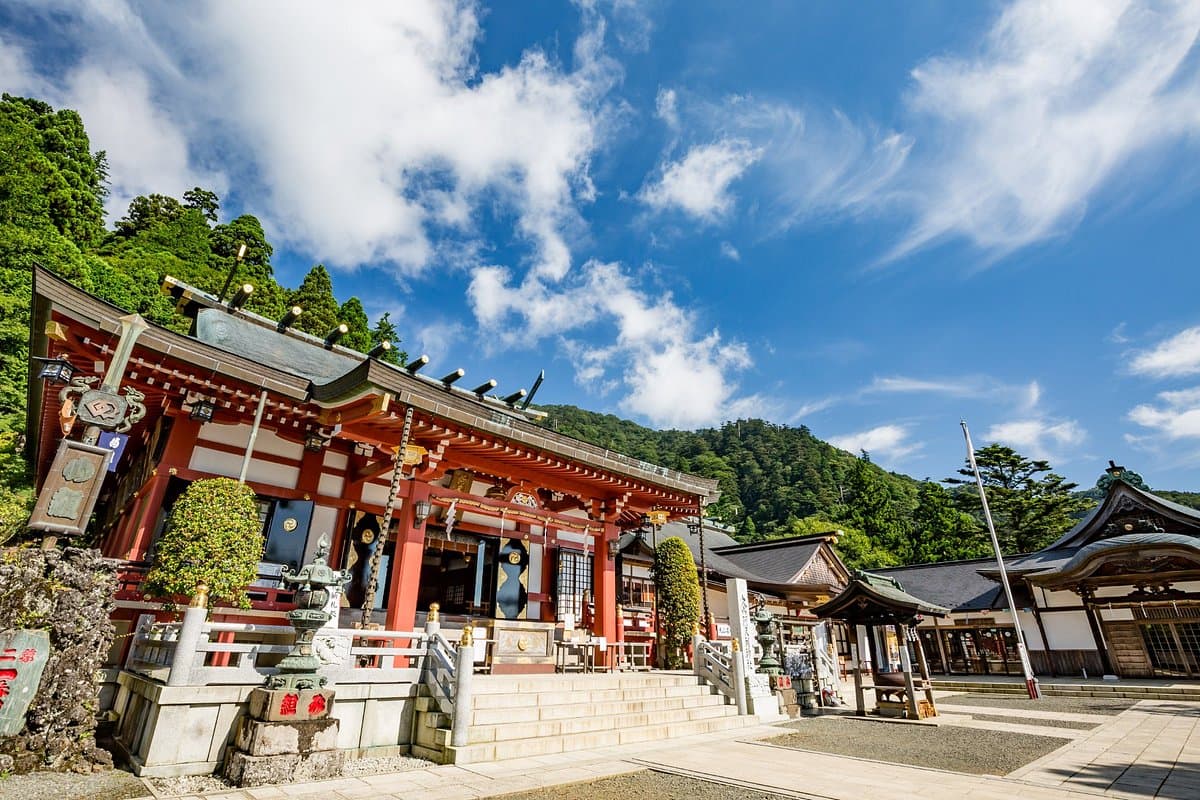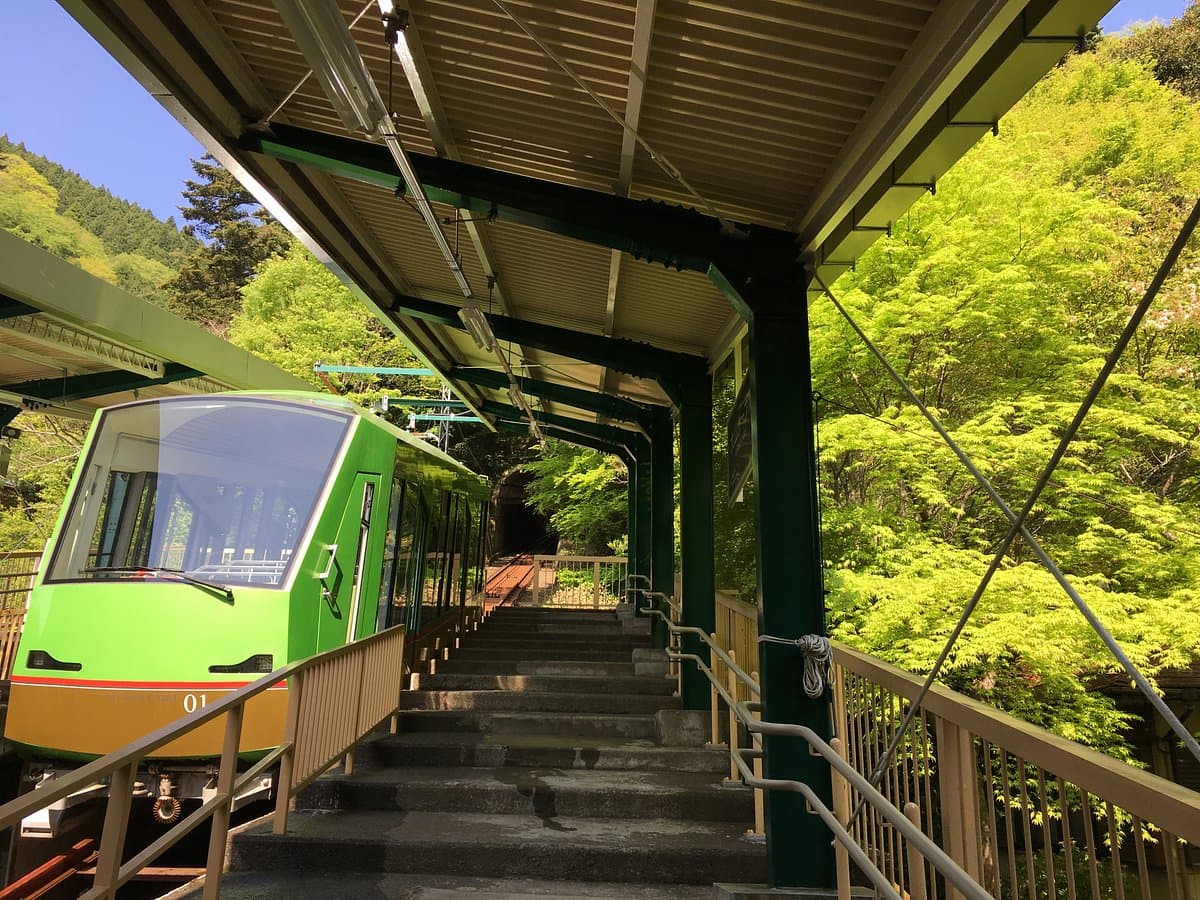
The Oyama Cable is a vital transportation link for visitors exploring Mount Oyama, providing easy access to the significant Oyama Afuri Shrine and Oyama-dera Temple. It's not just a means of transport but an experience in itself, offering panoramic views of the surrounding natural beauty, particularly noted for its steep incline and modern, green cable cars.
Visitors consistently praise the cable car for its convenience and the breathtaking scenery it offers. Many recommend it as a comfortable alternative to the strenuous hike up the mountain, especially for those who are not experienced hikers or wish to conserve energy. Reviewers frequently highlight the beautiful green leaves in spring and summer, and the stunning autumn foliage. The illumination during the lantern festival in August is also a popular draw, with some suggesting this as the best time to visit for a unique experience. The ride is described as short, pleasant, and scenic, with some lucky visitors even spotting deer along the way.
For a more relaxed experience, it's advisable to go early in the morning to avoid crowds, especially on weekends. While the ride is relatively short (around 50 minutes on foot for the equivalent distance), many visitors who hiked up regret not taking the cable car both ways due to the challenging and rocky terrain, particularly the uneven stairs on the descent. Wearing appropriate hiking or trekking shoes is strongly recommended if you plan to walk any part of the mountain. The cable car operates every 30 minutes, and while not explicitly cheap, many consider it worth the price for the comfort and views.
To reach the base station of the Oyama Cable, visitors typically take a bus from Isehara Station. From there, the cable car station is within walking distance. The route has three stations, with two serving as terminal points, allowing access to different parts of the mountain and its attractions.
A significant complaint noted by one reviewer was the unexpected suspension of service for rope changes until March 14, 2025. It is crucial to check the official website or local announcements for operational status before planning your visit to avoid disappointment, as this can lead to an arduous and unplanned walk up the mountain.