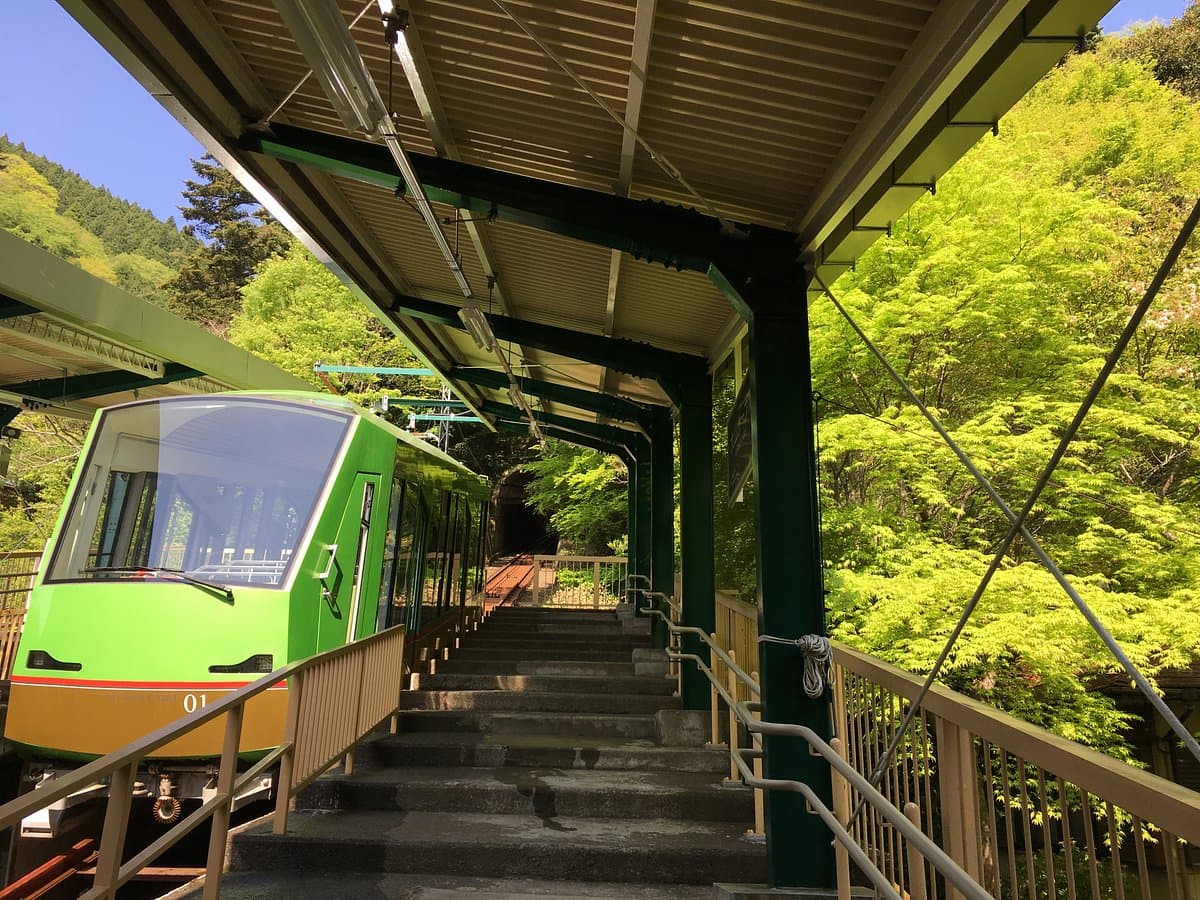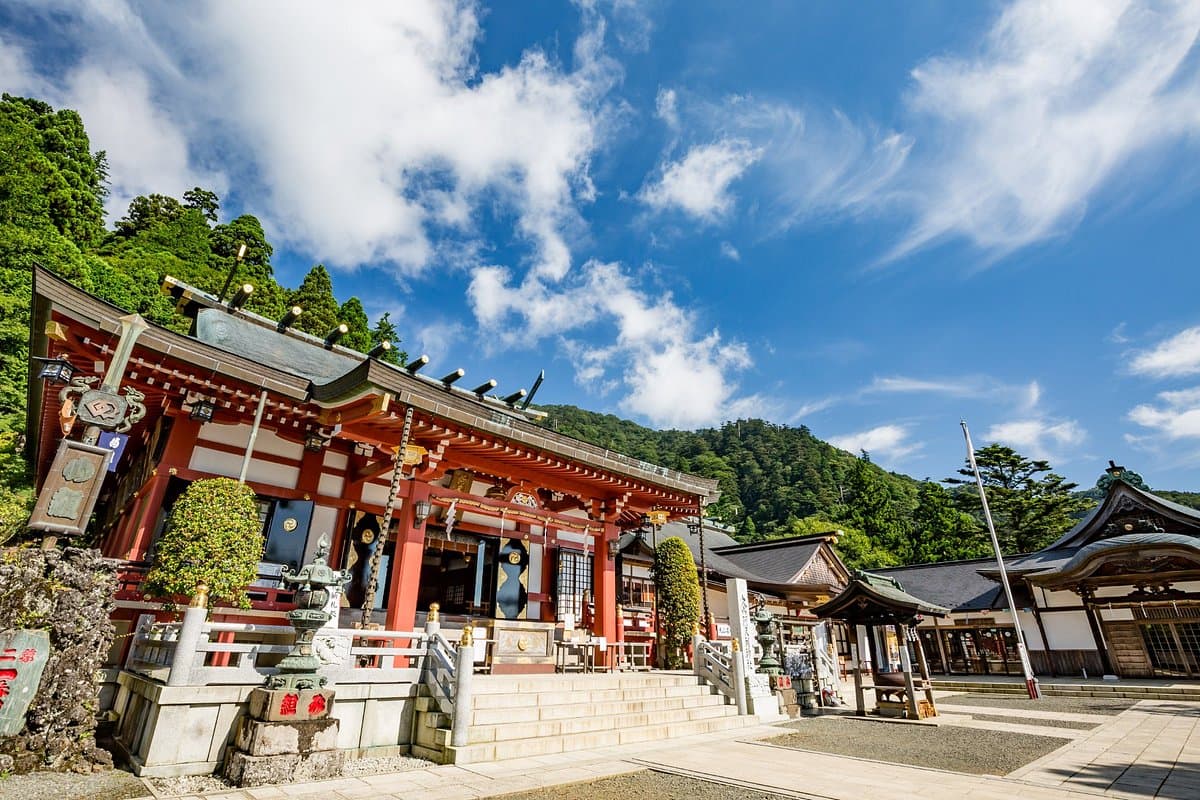
Oyama Afuri Shrine, nestled on the slopes of Mount Oyama, is a historically significant site with roots dating back centuries, particularly popular during the Edo period for pilgrimages. It is listed in guidebooks like Michelin, attracting many visitors seeking both spiritual solace and natural beauty. The shrine is divided into two main precincts: the lower shrine (Shimo-sha), accessible by cable car, and the upper shrine (Kami-sha or Okusha) at the summit, which requires a more strenuous hike.
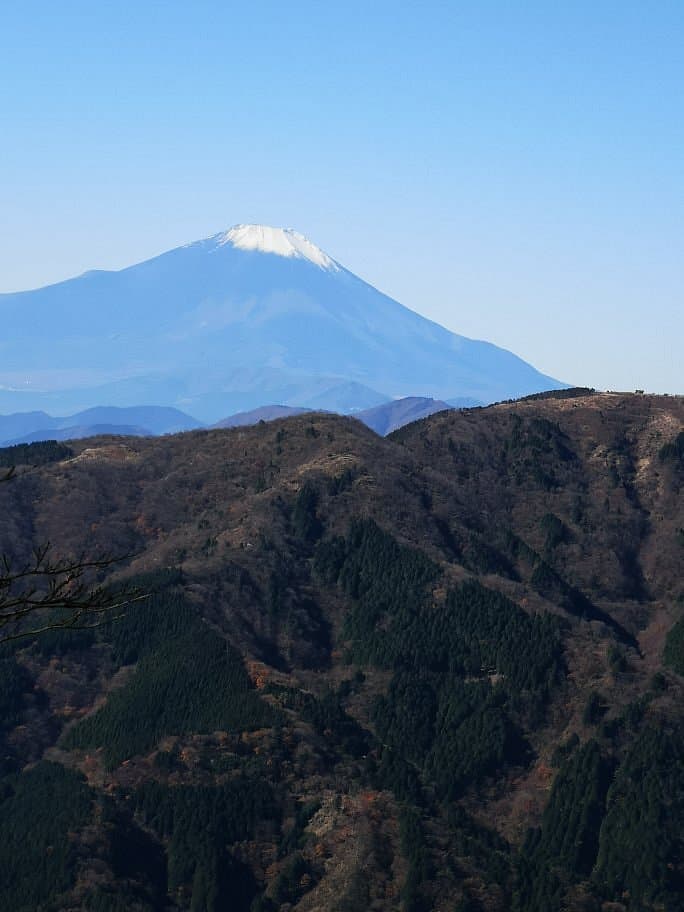
Visitors consistently praise the stunning panoramic views from the shrine, often described as refreshing for both body and soul. Many highlight the unique blend of cultural exploration and physical activity, noting the well-maintained facilities, including clean restrooms and helpful staff. The 'mystic feeling' hall built into a cave with a holy water fountain and a wooden sword is a frequently mentioned highlight, as is a hidden passage leading to a sacred rock and a dragon. The delicious 'Momiji soup' available at the lower shrine grounds is also a popular mention.
Be prepared for a significant amount of walking and climbing, even if you opt for the cable car. Reviewers advise wearing comfortable hiking or trekking shoes, as there are many stairs, some uneven and without handrails. A walking stick is recommended by some. The estimated time to spend varies; while the lower shrine can be explored in a couple of hours, reaching the main shrine at the summit can take 90 to 120 minutes of challenging hiking. The best time to visit for autumn foliage is mid to late November, though the views are beautiful year-round. Visiting in the late afternoon or during weekdays can help avoid crowds, which are common on weekends.
To reach Oyama Afuri Shrine, take a bus from Isehara train station. From the bus stop, it's about a 20-minute walk uphill, involving many steps, to the cable car station. The cable car ride itself takes about 10 minutes to reach the lower shrine. For those aiming for the upper shrine, the hike from the lower shrine is rocky and considered intermediate level, not suitable for beginners. Parking is available at the base, but even from there, there are over 360 steps to the cable car station.
The primary complaint from visitors revolves around the sheer number of stairs and the challenging nature of the hike to the upper shrine. To mitigate this, ensure you are physically prepared, wear appropriate footwear, and consider using a walking stick. If the full hike is too daunting, the lower shrine still offers beautiful views and a rich cultural experience, accessible via the cable car.