The Muryōju-in Temple Site in Kamakura is a fascinating historical palimpsest, offering a glimpse into various eras of Japanese history. Originally a grand 13th-century temple complex under the protection of the Adachi samurai clan, it later became the holiday villa of Yataro Iwasaki, the founder of the Mitsubishi conglomerate. Today, the site hosts the Kamakura Museum of History and Culture, housed in the sleek 'Kamakura House' designed by Norman Foster, making it a unique blend of ancient ruins and modern architecture.
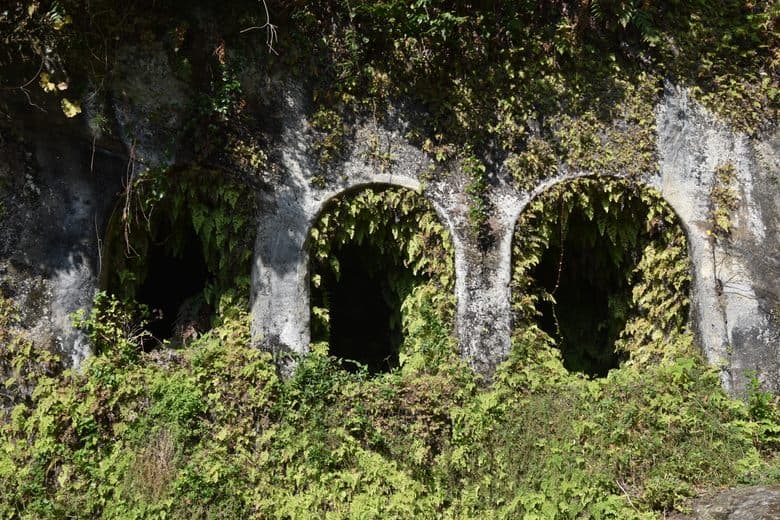
Visitors consistently find the layered history of the site intriguing. The 13th-century Zen basin, symbolizing the flow of Buddhist knowledge, with its natural water seepage, is a highlight, offering a tangible connection to the temple's past. Reviewers also note the curious 100-year-old industrial grottoes carved into the cliff, whose exact purpose remains a mystery but add an element of industrial heritage to the ancient landscape. The panoramic views of Kamakura from the hilltop, where the Aizuchi-Inari Shrine platform once stood, are frequently praised, providing a scenic reward for the climb.
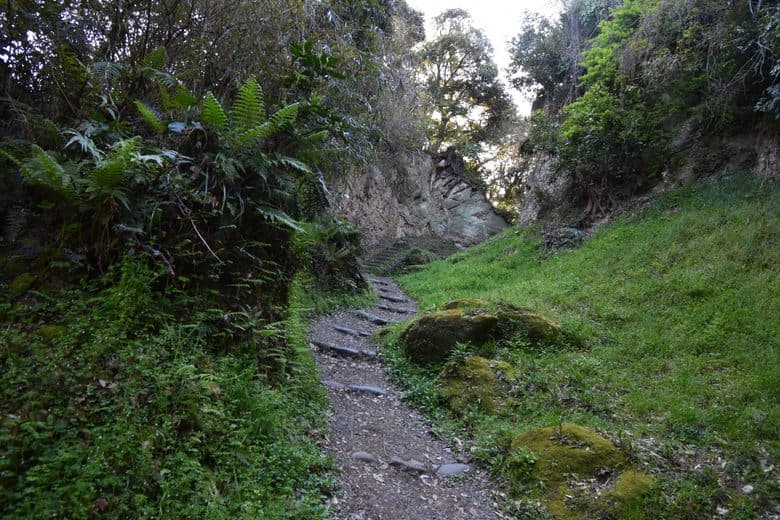
To make the most of your visit, allocate approximately 1-2 hours to explore both the museum and the outdoor historical elements. It's advisable to wear comfortable shoes, as there are staircases and paths to navigate, including the ascent to the panoramic viewpoint. While the original temple path is not accessible, the modern staircase provides easy access to the cliff features. The site is generally less crowded than other major Kamakura attractions, offering a more tranquil experience. Consider visiting in the late morning or early afternoon to enjoy good light for photography and comfortable temperatures.
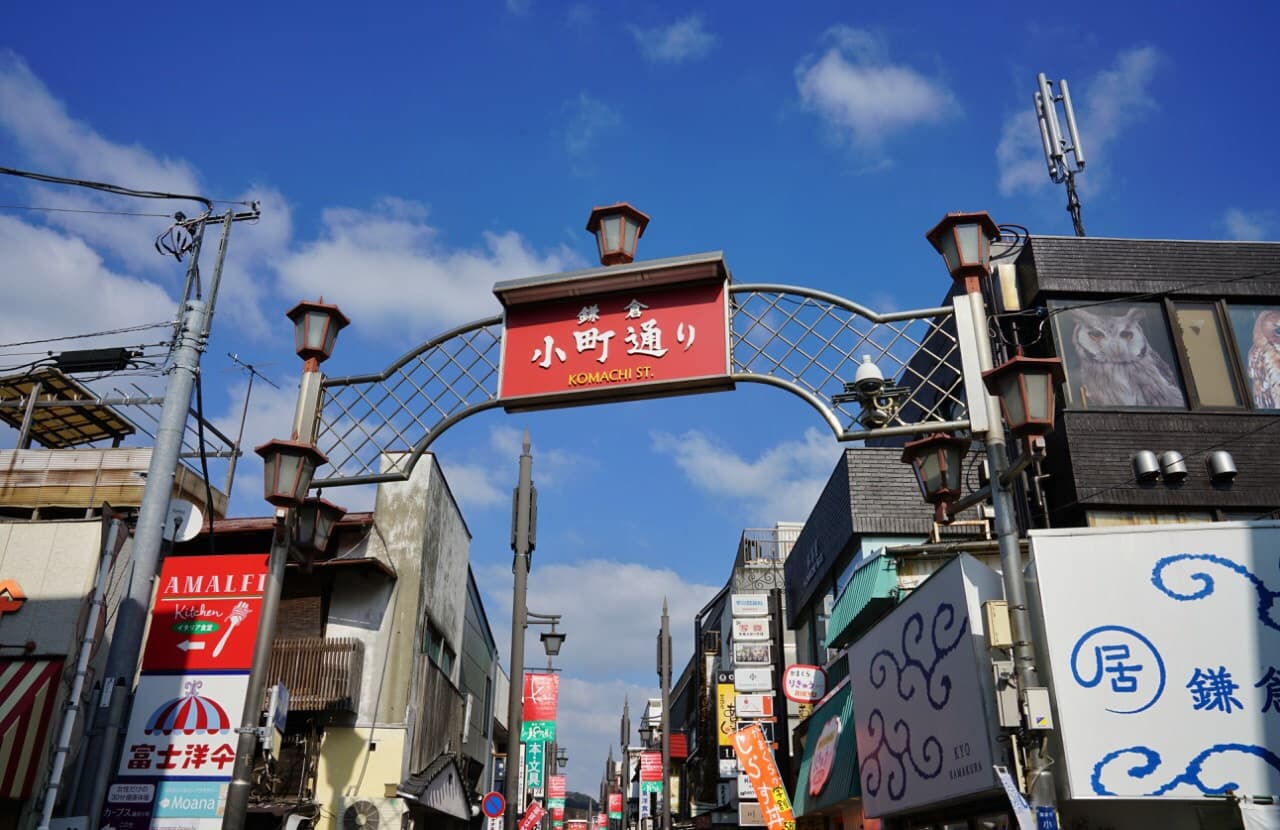
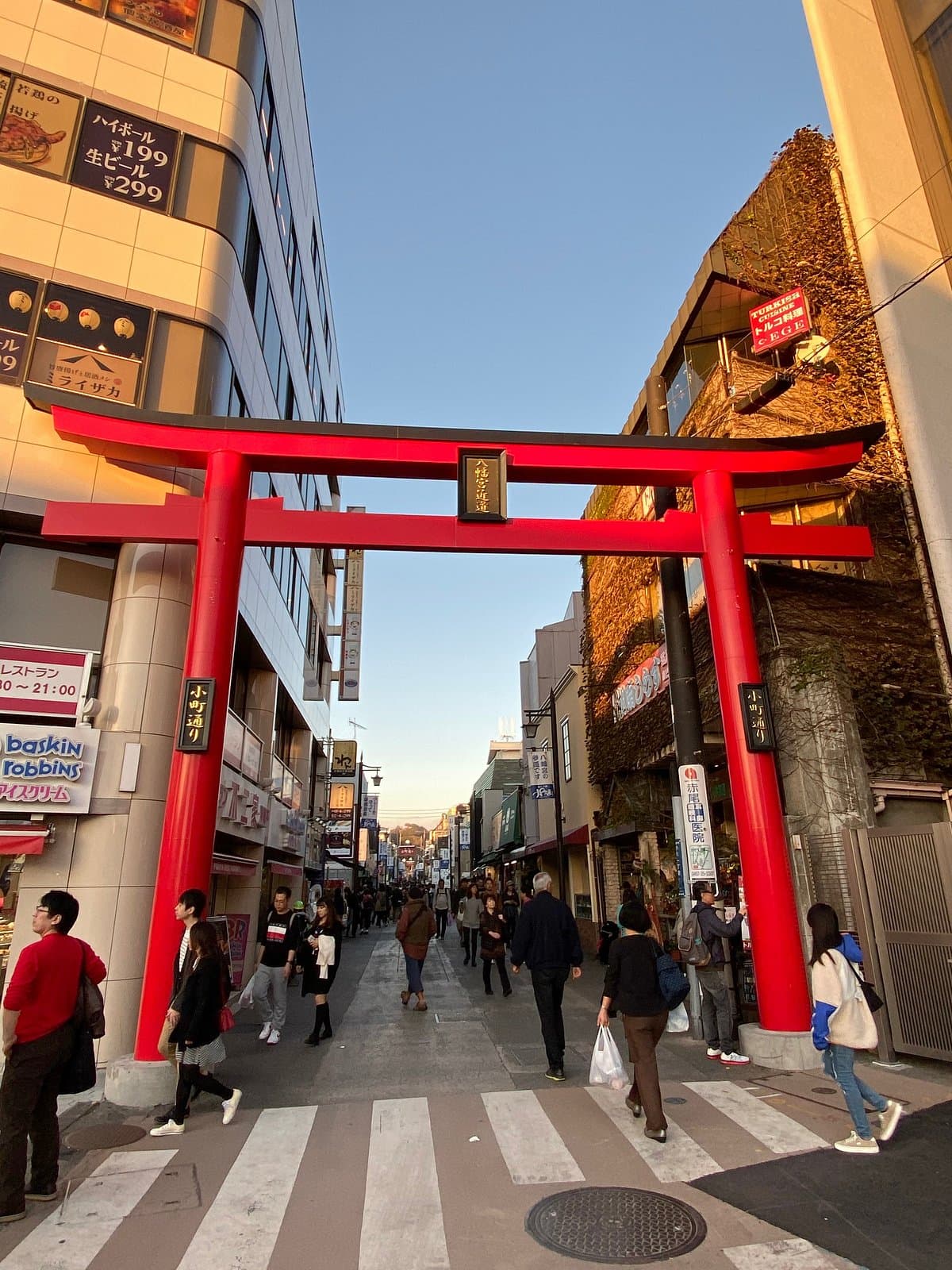
The Muryōju-in Temple Site is part of the Kamakura Museum of History and Culture. It is located in the Ōgigayatsu neighborhood of Kamakura. While specific public transport details are not extensively mentioned in reviews, Kamakura is well-served by train. From Kamakura Station, the site is typically accessible via a walk or a short bus ride. Visitors should consult local maps or navigation apps for the most direct route from the station, as walking distances can vary depending on the specific starting point within Kamakura.
A common point of confusion for some visitors is the expectation of a fully preserved ancient temple. It's important to understand that this is a 'temple site,' meaning the original structures are largely gone, replaced by later developments. Managing this expectation by focusing on the archaeological remnants, the grottoes, and the museum's interpretation of the site's history will enhance the experience. The museum itself is small, so those expecting a large, comprehensive historical museum might find it limited, but its focus on local history within this specific context is its strength.