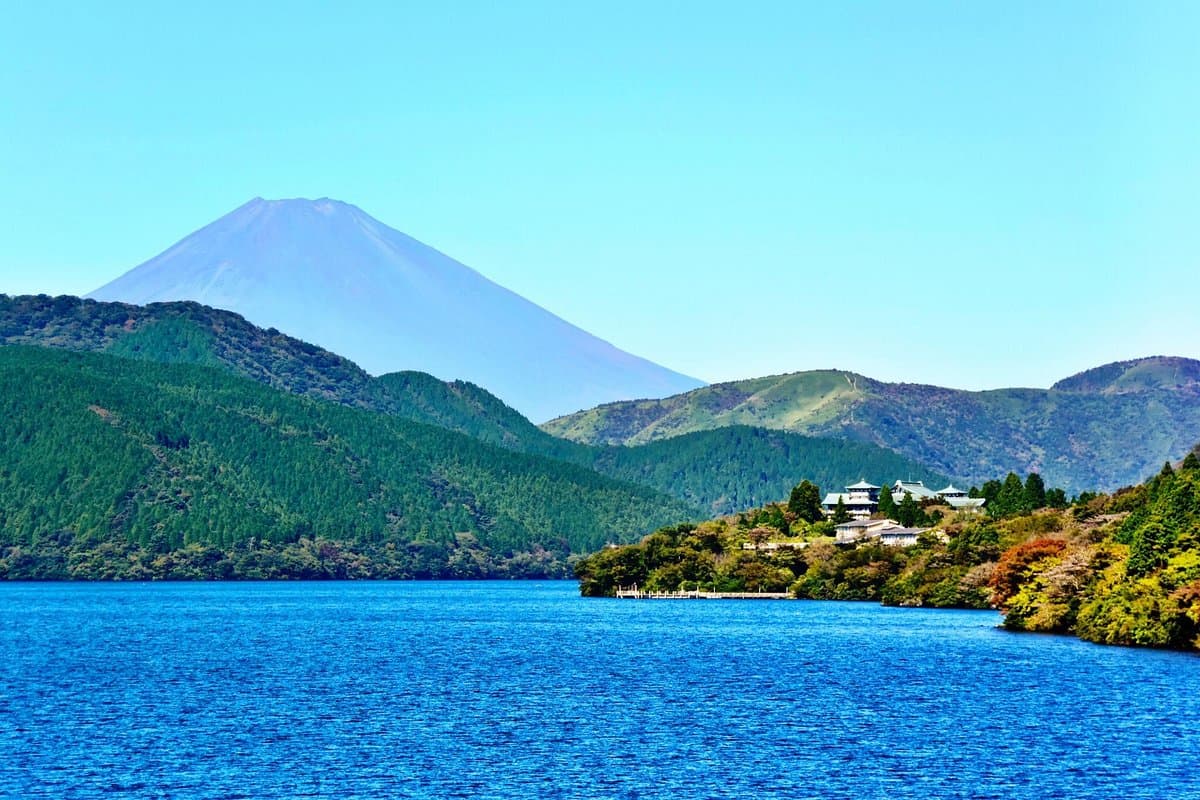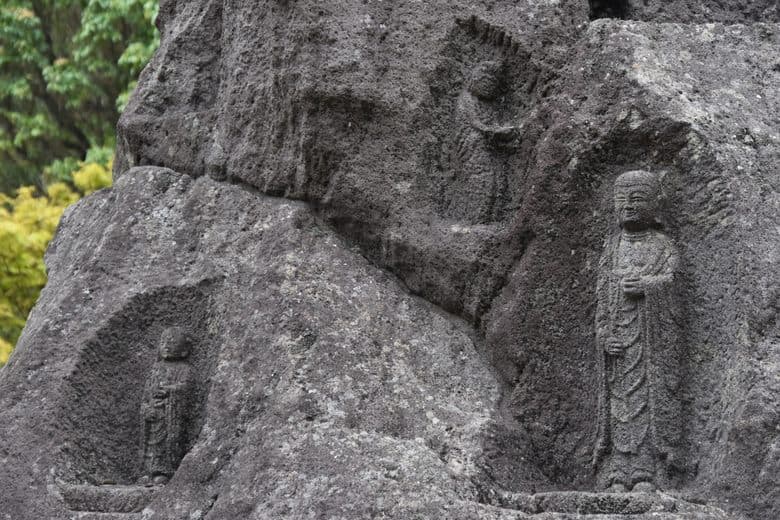
The Moto-Hakone Stone Buddhas are a fascinating historical site, offering a glimpse into the spiritual beliefs of medieval Japan. Carved between 1293 and 1311, these rock-cut Buddhist effigies were created by locals to ward off the perceived dangers of the volcanic landscape, which was often associated with hell due to its desolate terrain and constant smoke. The collection includes the impressive 10.5-foot-tall Rokudō Jizō, a group of twenty-six bodhisattvas, and three andesite Buddhas, alongside several funerary pagodas from the same era, some linked to the legendary Soga brothers and the immortal nun Yao-Bikuni.
Visitors appreciate the serene and contemplative atmosphere of the site, often noting the unique blend of natural beauty and historical artistry. The carvings, though weathered by time, retain their spiritual presence and offer a quiet contrast to the more bustling tourist spots in Hakone. Reviewers often highlight the sense of discovery when finding these somewhat hidden gems, emphasizing their historical significance and the stories they tell about the region's past.
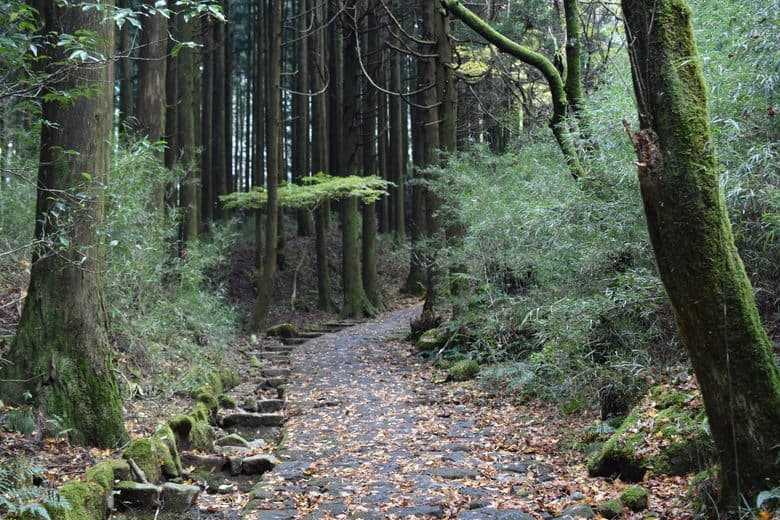
To make the most of your visit, allocate about 1 to 2 hours to explore all three sections of the Stone Buddhas. It's advisable to wear comfortable walking shoes as you'll be navigating along a road and potentially some uneven paths. The site is best visited during daylight hours, and a clear day will enhance the experience of the surrounding volcanic landscape. There are no specific facilities on-site, so it's recommended to bring water and any other necessities with you.
The Moto-Hakone Stone Buddhas are located along National Route 1 in the Moto-Hakone area. While specific public transport stops are not detailed in reviews, the area is generally accessible by local buses that serve the Hakone region. Visitors often combine a trip here with other attractions around Lake Ashi or Moto-Hakone. If driving, be aware that parking might be limited, and the statues are spread out, requiring some walking between them.
A common point to consider is that the statues are not always immediately obvious from the road and require a keen eye to spot. Some visitors have mentioned that without prior research, they might miss some of the carvings. To mitigate this, it's recommended to consult a map or local guide to pinpoint the exact locations of the three distinct groups of Buddhas and pagodas.