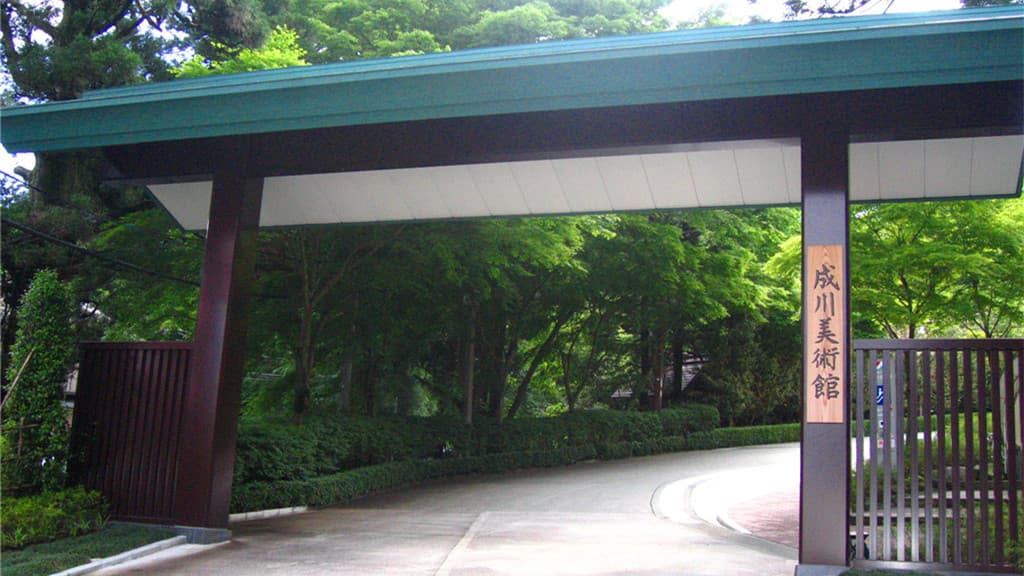
The Narukawa Art Museum, opened in 1988, is a significant cultural institution in Hakone, renowned for its extensive collection of over 4,000 modern Japanese paintings. It features a core collection of works by acclaimed artists like Yamamoto Yasuto and Hirayama Ikuo, making it a key destination for those interested in contemporary Japanese art. Beyond its artistic offerings, the museum is celebrated for its architectural integration with the natural landscape, providing visitors with a unique blend of art and scenic beauty.
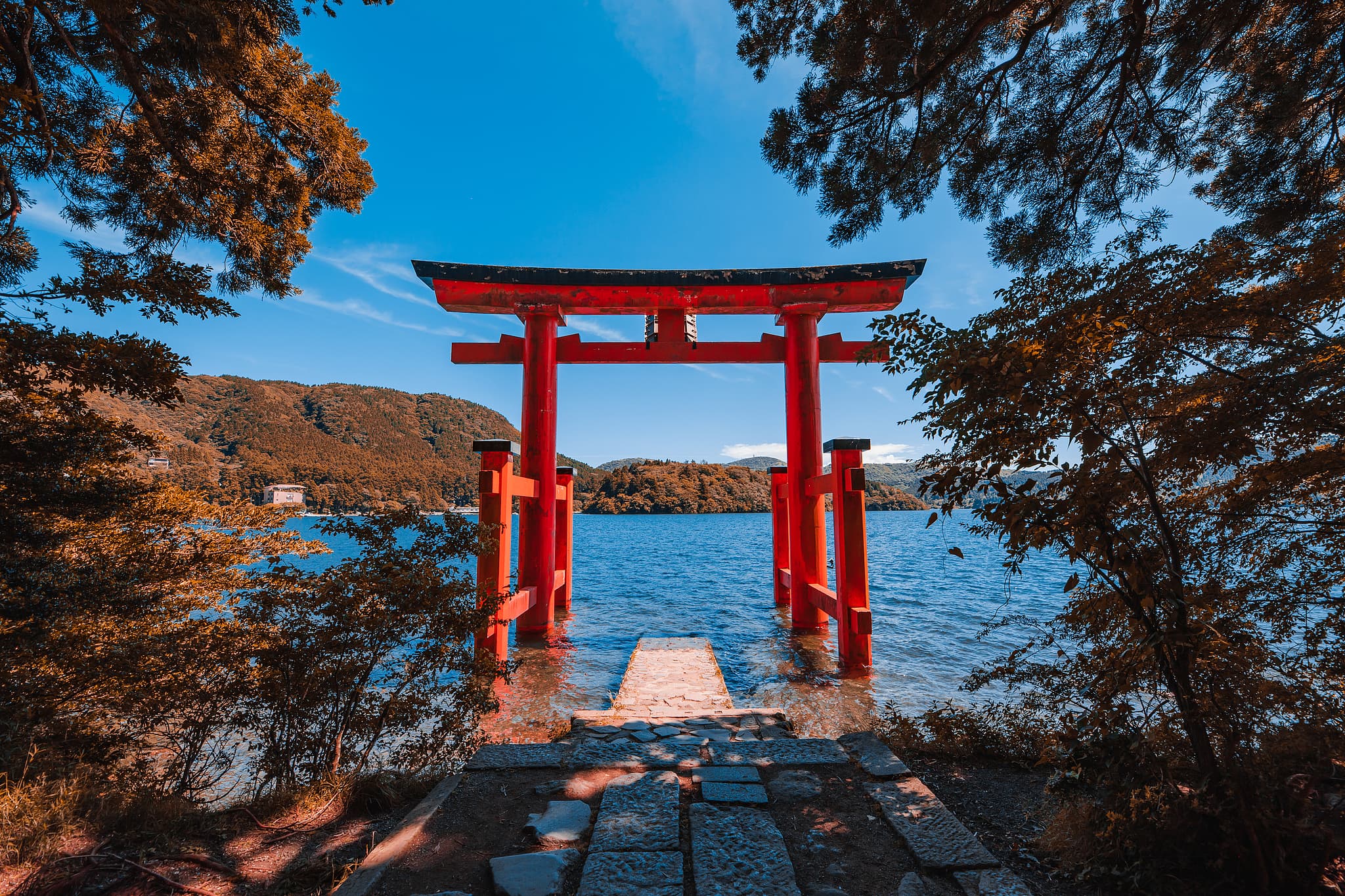
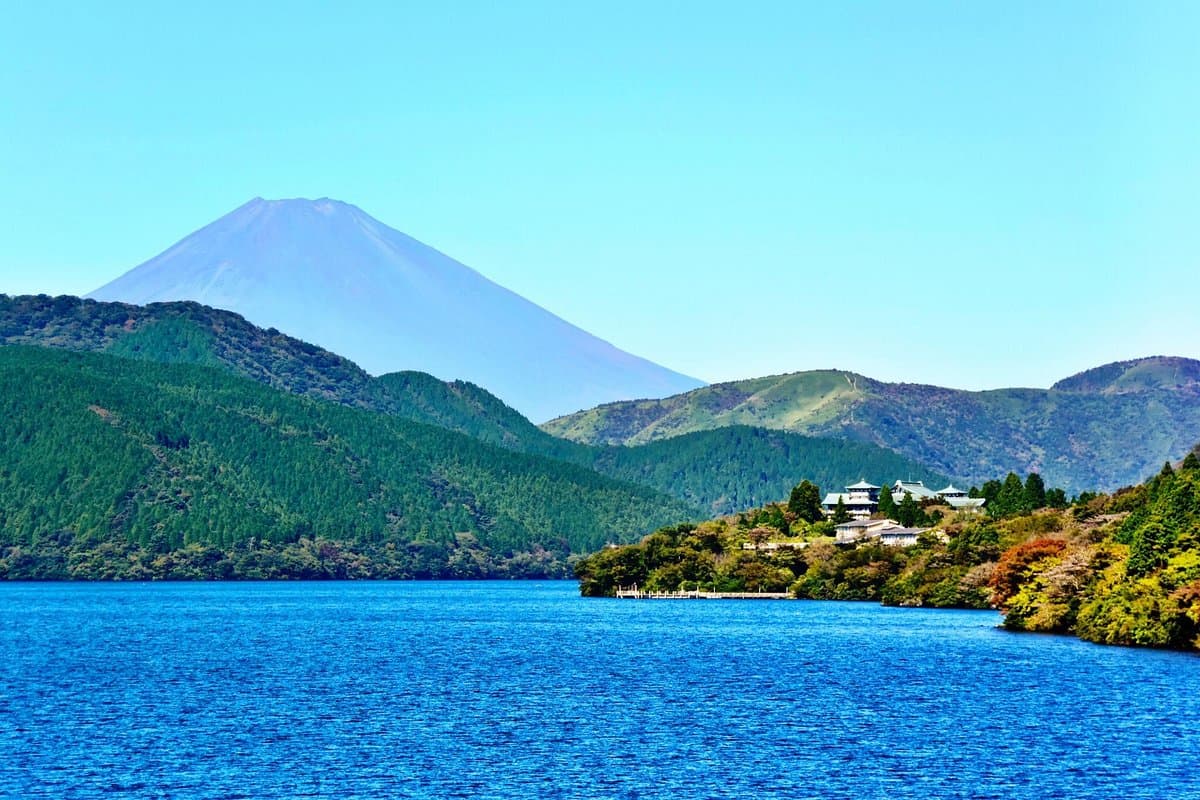
Visitors frequently highlight the museum's spectacular panoramic views as its main draw. The large floor-to-ceiling windows offer unparalleled vistas of Lake Ashi, the iconic red torii gate, and Mount Fuji, especially on clear days. Many reviewers describe these views as "breathtaking" and "superb," often recommending the museum specifically for this visual experience. The museum also features a distinctive kaleidoscope room, which several visitors found to be a captivating and interesting addition to their visit. While photography of the art exhibits is generally not permitted, the views from the observation deck and garden are highly encouraged for capturing memories.
To make the most of your visit, aim for a clear, sunny day to fully appreciate the views of Mount Fuji and Lake Ashi. Reviewers suggest spending 1-2 hours here, allowing ample time for both art appreciation and enjoying the scenery. The museum is located on a slightly elevated hill, but an escalator is available to assist with access, making it convenient for all visitors. Consider visiting in the morning for potentially clearer skies. There is a place to eat next to the museum, which can be convenient for a quick meal or snack.
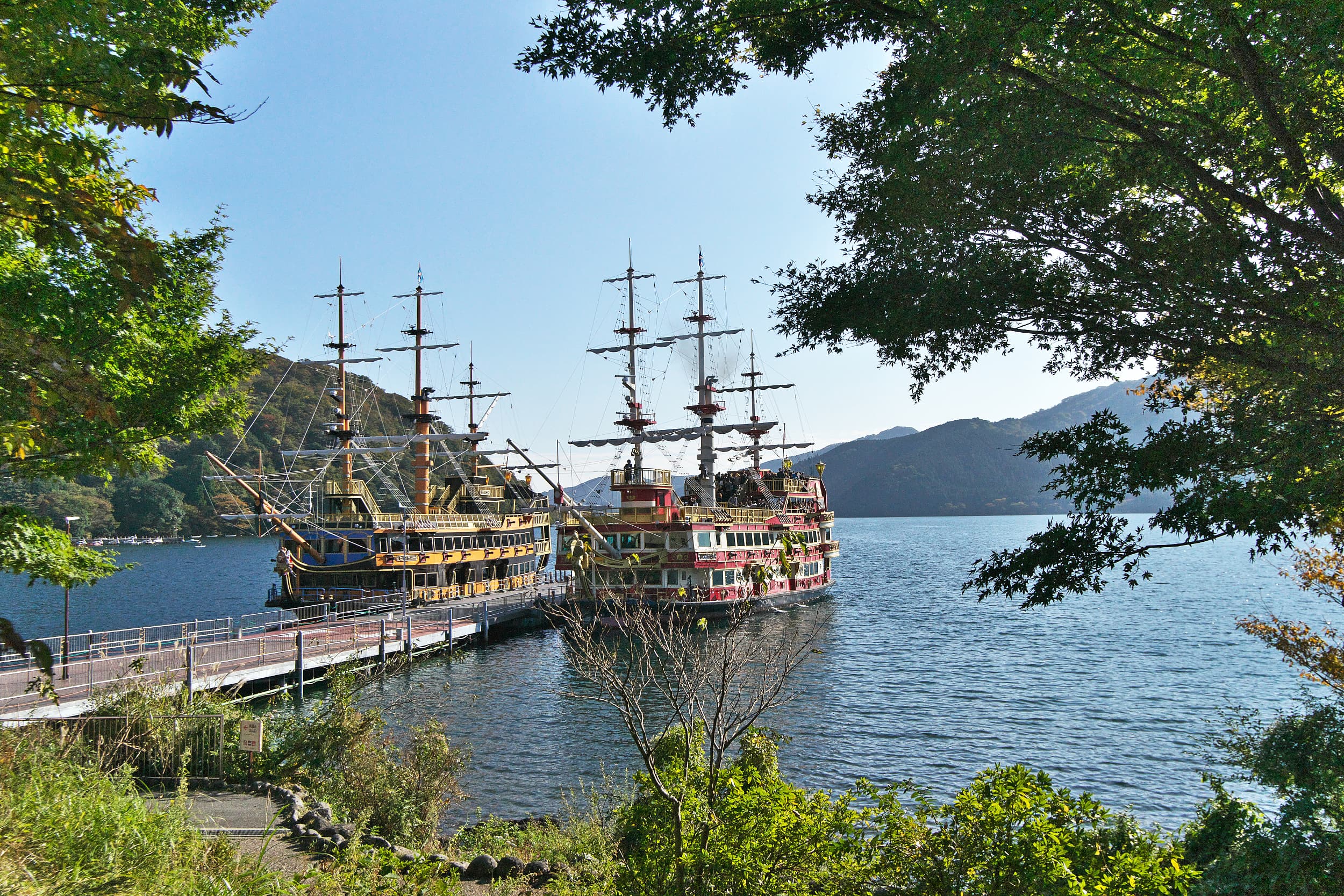
The Narukawa Art Museum is conveniently located right next to Moto-Hakone Port. If arriving by public transport, take a bus to Moto-Hakone Port (元箱根港). From there, the museum is a very short walk, with escalators leading up to the entrance. This makes it easily accessible for those using the Hakone Free Pass or other local bus services. Driving to the museum is also an option, though parking availability should be checked in advance, especially during peak seasons.
A common complaint among visitors is the potential for obscured views of Mount Fuji on cloudy or rainy days. Since the panoramic view is a major highlight, checking the weather forecast before your visit is highly recommended. If the weather is poor, the art collection itself might not fully compensate for the lack of views for some visitors. Additionally, the entry fee of 1300 yen (for adults) might feel steep if the primary attraction (the view) is compromised by weather.