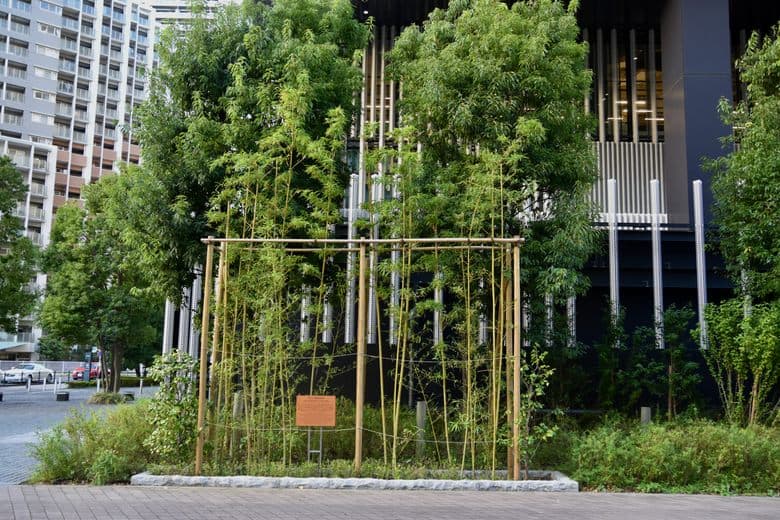
The Edison Bamboo is a unique historical artifact, a living testament to Japan's often-unsung role in the development of the incandescent lightbulb. While Thomas Edison is widely credited with perfecting the lightbulb, it was a specific type of Japanese bamboo, found at the Iwashimizu-Hachimangu Shrine in Kyoto, that provided the filament material capable of burning for over 1,200 hours. This particular specimen, gifted to the Toshiba Science Museum in 1976, stands as a quiet monument to that pivotal moment in technological history.
Visitors primarily appreciate the historical significance and the intriguing backstory of the bamboo. It serves as a tangible link to a key invention and offers a different perspective on Edison's work, emphasizing collaboration and global contributions rather than sole genius. Many find it a fascinating detail, especially those with an interest in science, history, or Japanese innovation. However, some reviewers note that it is simply a bamboo plant, and its appeal is almost entirely intellectual, requiring prior knowledge or an interest in its story to be fully appreciated.
To make the most of your visit, it's highly recommended to combine seeing the Edison Bamboo with a visit to the Toshiba Science Museum itself, as the bamboo is located right outside. This allows for a broader context and a deeper dive into technological history. There's no specific 'best time' to visit the bamboo itself, as it's an outdoor exhibit, but visiting during the museum's operating hours ensures you can also explore the museum. Allow only a few minutes to observe the bamboo, as it is a single plant with an informational plaque.
The Toshiba Science Museum, and by extension the Edison Bamboo, is conveniently located in Kawasaki. The nearest train station is Kawasaki Station, which is a major hub accessible via the JR Tokaido Line, JR Keihin-Tohoku Line, and JR Nambu Line. From Kawasaki Station, the museum is about a 7-minute walk. Follow the signs for the Toshiba Science Museum. Public transport is highly recommended as parking in the area can be limited and expensive.
A common complaint, if it can be called that, is that some visitors expect more than just a bamboo plant. To mitigate this, manage your expectations: it is indeed just a bamboo, albeit one with a profound historical narrative. Its value lies in the story it tells, not in its visual grandeur. Reading up on its history beforehand, perhaps even visiting the Toshiba Science Museum first, will enhance the experience significantly.