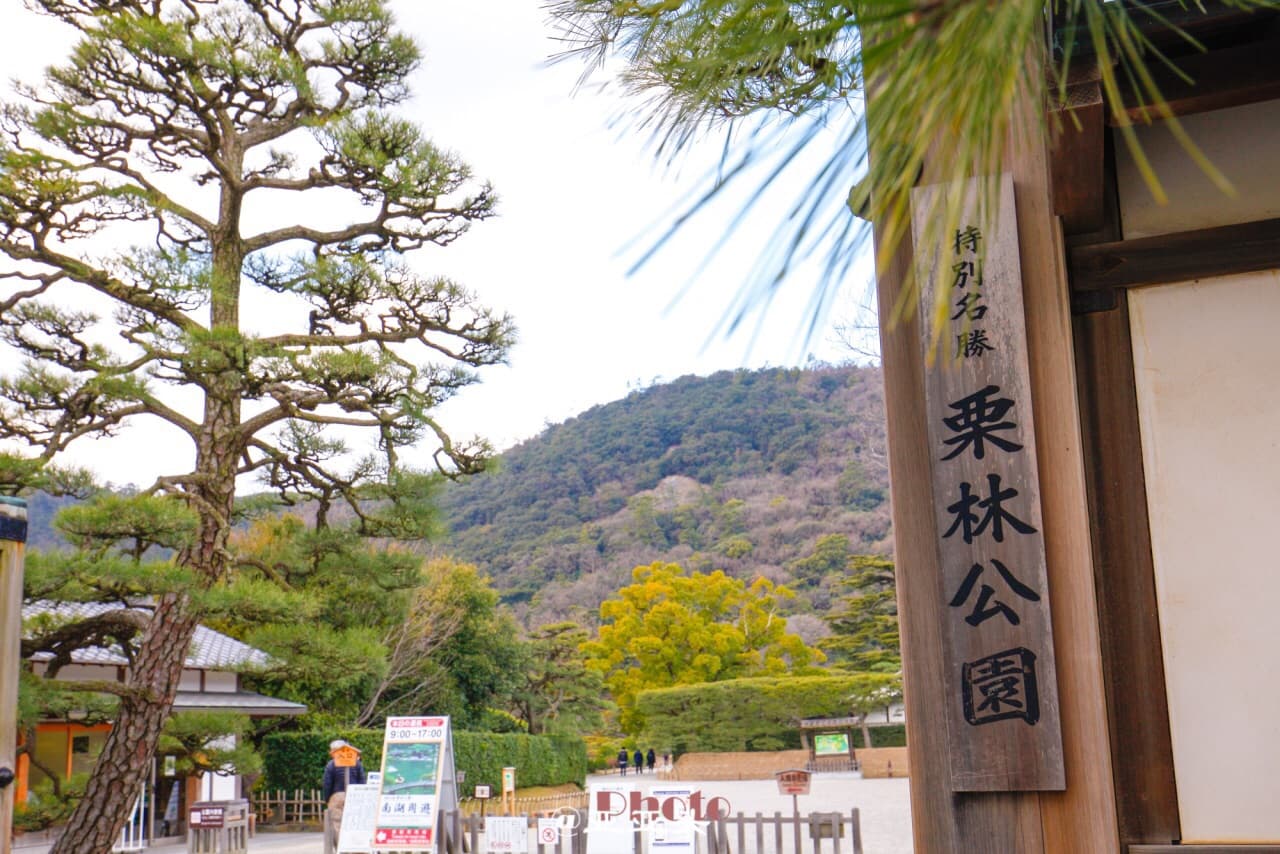
Ritsurin Garden, a designated National Special Scenic Spot, is a masterpiece of Japanese landscape gardening with a history spanning over 400 years. Its construction began in 1642 and took a century to complete, resulting in a vast 75-hectare 'strolling garden' that seamlessly integrates six ponds, thirteen artificial hills, and the distant Mount Shiun as 'borrowed scenery.' It stands as a testament to the ambition and artistry of feudal lords from the Edo period, offering a profound glimpse into traditional Japanese aesthetics and horticultural excellence.
Visitors consistently laud the garden's immaculate upkeep and the sheer variety of its landscapes, which change beautifully with each season. The meticulously pruned pine trees, some centuries old and shaped like giant bonsai, are a particular highlight, often described as breathtaking. Many reviewers, including those who have visited other famous Japanese gardens, consider Ritsurin Garden to be among the best, if not superior, to the officially recognized 'Three Great Gardens.' The tranquil atmosphere, the abundance of koi fish and turtles in the ponds, and the numerous picturesque spots for photography are frequently mentioned positives. The availability of English-speaking volunteer guides is also highly praised for enriching the visitor experience with historical and botanical insights.
To fully appreciate Ritsurin Garden, visitors recommend allocating at least 2-3 hours, with some suggesting half a day or more, especially if planning to enjoy a tea ceremony or a boat ride. Arriving early in the morning is a popular tip to experience the garden in its most tranquil state and to avoid crowds, particularly during peak seasons like cherry blossom or autumn foliage. While the garden is beautiful year-round, autumn (for vibrant maple leaves) and spring (for cherry blossoms, wisteria, and azaleas) are often cited as particularly stunning. Even in winter or on rainy days, reviewers note its serene beauty. Consider purchasing fish food to feed the abundant koi and turtles, a simple activity that many find enjoyable. The boat tour on the South Lake is also highly recommended for a different perspective of the garden's intricate design, though some advise booking in advance.
Ritsurin Garden is conveniently accessible. From Takamatsu Station, visitors can take a short train ride to JR Ritsurin Station or JR Ritsurin-Koen-Kitaguchi Station, followed by a well-signposted walk (approximately 10-20 minutes depending on the entrance). Buses from Takamatsu Station are also a viable option, with several reviewers mentioning bus stops close to the garden entrances. For those driving, paid parking is available near both the North and East gates. Reviewers suggest entering through the East Gate if planning to take the boat ride, as tickets are available there. The North Gate is often noted as less busy.
While overwhelmingly positive, a few visitors mention that the garden can feel less vibrant outside of peak blooming seasons, or that some areas might seem repetitive if one is not a dedicated garden enthusiast. To mitigate this, focus on the highly praised South Garden, which many consider the most beautiful and diverse. Also, be aware that some facilities, like certain teahouses, may close earlier than the main garden, so plan accordingly if these are a priority. Mosquitoes can be an issue during warmer months, so bringing repellent is advisable.