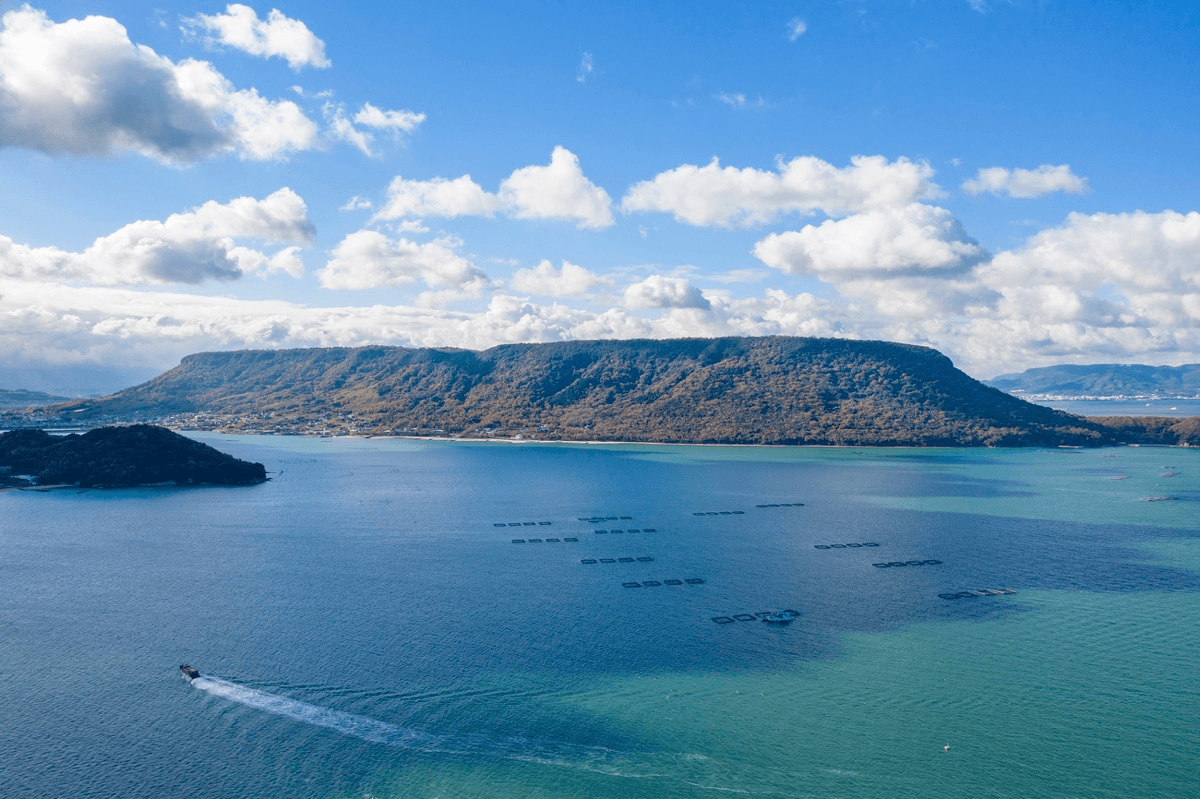
Mt. Yashima is a lava highland with a distinctive flat top, resembling a roof, which gives it its name. Located northeast of Takamatsu City, it's part of the Seto Inland Sea National Park and holds significant historical importance as an ancient battlefield of the Genpei War. Beyond its natural beauty, it's home to Yashima Temple, the 84th temple of the Shikoku Pilgrimage, making it a site of both scenic and cultural interest.
Visitors consistently praise the stunning panoramic views from the various observation decks, especially the Seto Inland Sea. Many find the combination of natural scenery and historical sites, like Yashima Temple, to be a compelling experience. Reviewers frequently mention the peaceful atmosphere and the opportunity for light hiking to explore the different viewpoints. The unique experience of throwing small clay discs (kawara-nage) from the observation decks, mimicking ancient warriors, is also a popular activity.
To make the most of your visit, allocate 3-4 hours, as transportation to and from the mountain can be time-consuming. It's highly recommended to visit on a clear, sunny day for the best views. Bring comfortable walking shoes, as exploring the various observation decks and the temple involves some walking. While there are shops and restaurants, it's wise to bring water, especially during warmer months. Consider visiting in mid-November for beautiful autumn foliage.
Getting to Mt. Yashima requires a bit of planning. From Takamatsu city, take the Kotoden train to Kotoden Yashima Station. From there, a shuttle bus (costing around 200 yen) takes you up the mountain. Reviewers frequently warn that the shuttle bus is infrequent, sometimes running only once an hour, so checking the schedule in advance is crucial. Some visitors opt for a taxi from the train station, which costs about 1000-2000 yen, to save time. Driving is also an option, with a large parking lot available at the top.
A common complaint is the infrequency of the shuttle bus, which can lead to long waits. To mitigate this, plan your train and bus connections carefully, or consider taking a taxi if time is a constraint. Some visitors also note that the night view, while present, might not be as spectacular or well-lit as in other major Japanese cities, and the area can feel deserted after dark.