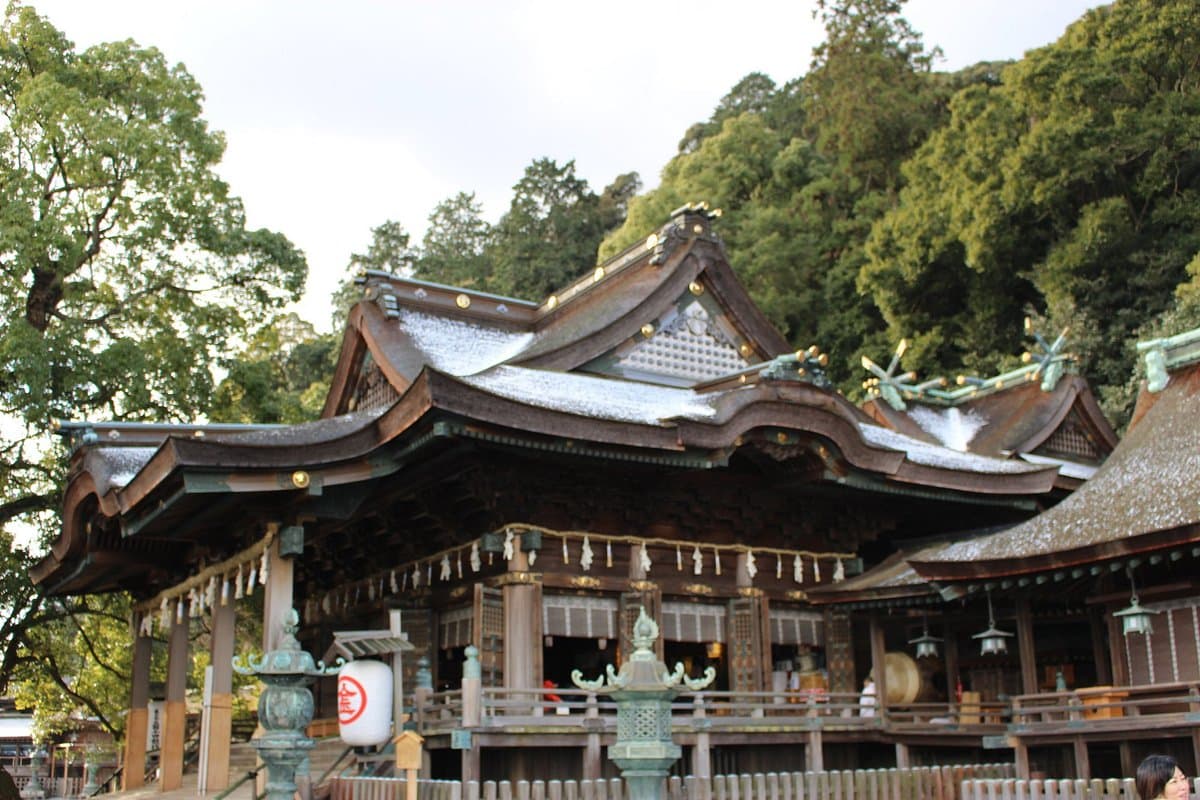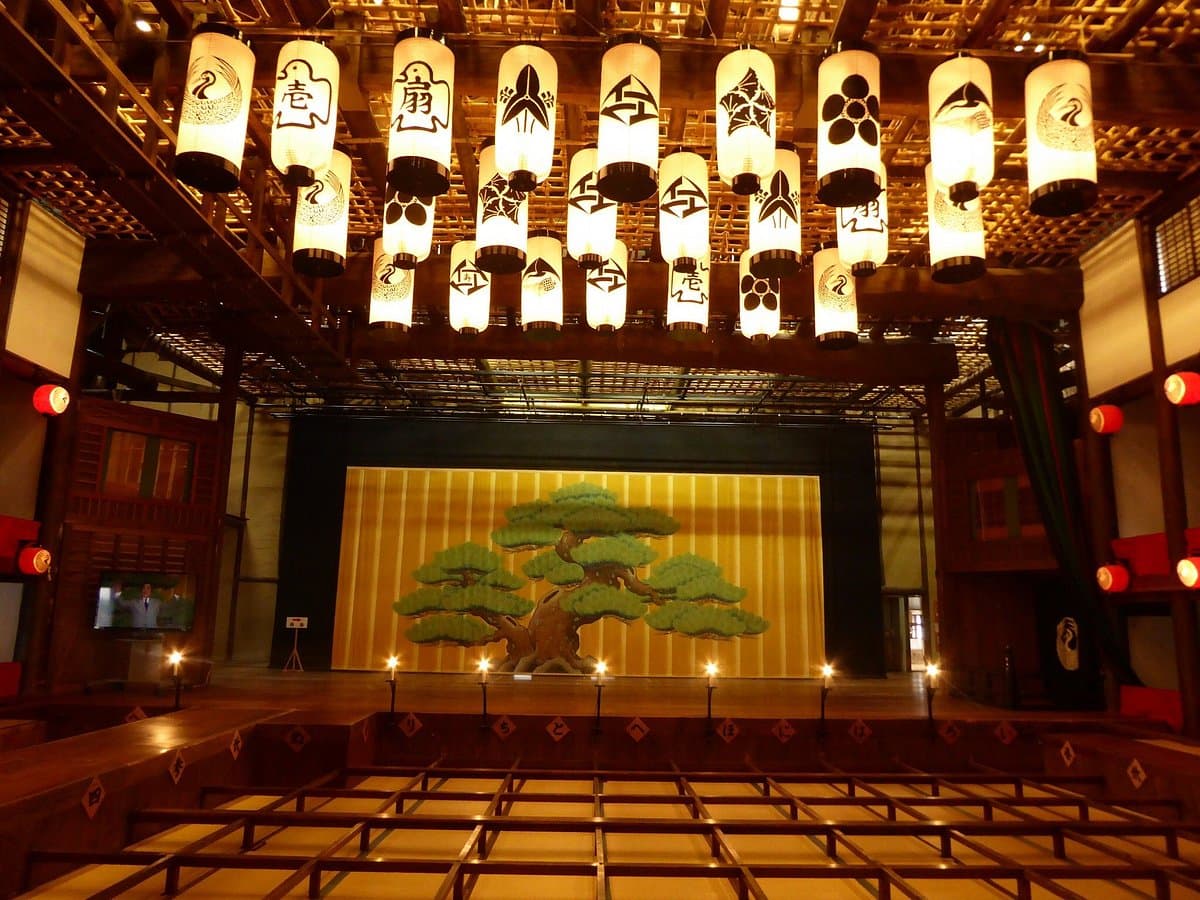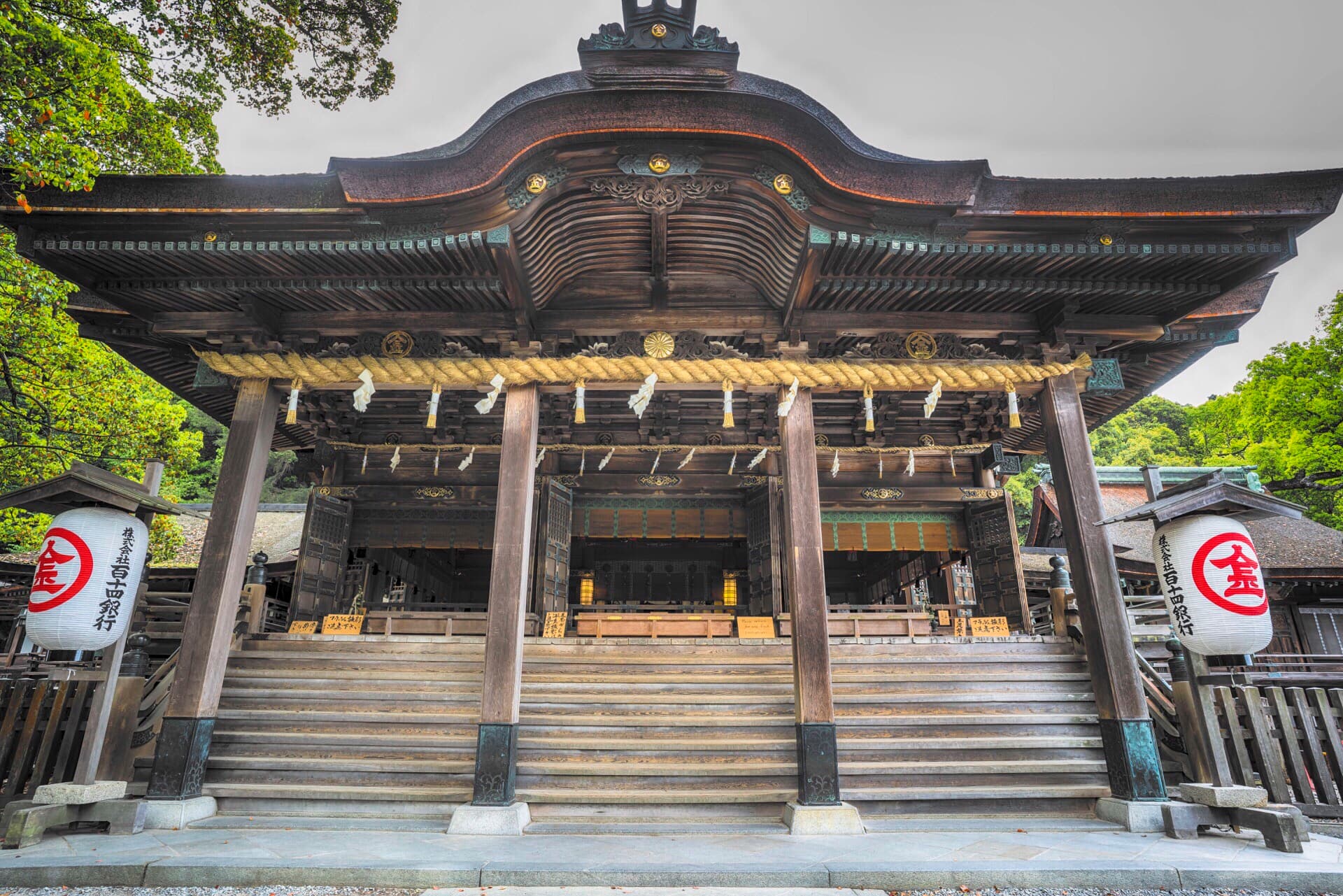
Kotohiragu, affectionately known as "Kompira-san," is a historically significant Shinto shrine located on the slopes of Mount Kotohira in Kagawa Prefecture. Dedicated to Omononushi-no-Kami and Emperor Sutoku Tenno, it has long been revered as the patron deity of maritime safety and agricultural prosperity. Its fame stems not only from its spiritual importance but also from the challenging pilgrimage route, which involves climbing hundreds of stone steps to reach its various halls, culminating in the inner shrine at 1,368 steps.
Visitors consistently praise the sense of accomplishment upon reaching the summit and the beautiful panoramic views of the surrounding countryside. Many describe the journey as a unique cultural experience, offering a deep dive into Japanese traditions. The path is lined with charming souvenir shops, restaurants, and even places to rent walking sticks, adding to the traditional pilgrimage atmosphere. Reviewers frequently mention the solemn and majestic ambiance of the shrine, with its intricate carvings and historical structures like the Asahi Shrine and the Shoin, adorned with exquisite wall paintings.
To make the most of your visit, it is highly recommended to wear comfortable walking shoes or sneakers and bring plenty of water, especially during warmer months. Many visitors suggest renting a walking stick at the base, as it significantly aids in the ascent. While the full climb to the inner shrine (Okusha) is 1,368 steps, the main hall (Hongu) is at 785 steps and offers substantial rewards, including stunning views. Several reviewers note that taking frequent breaks and chatting with companions makes the time fly by. Allow 3-5 hours for a comfortable visit, including time for breaks and exploring the shops. Visiting in the morning or late afternoon can help avoid the midday heat and crowds.
Kotohiragu is easily accessible by public transport. Take the JR Dosan Line to Kotohira Station. From there, it's a straightforward walk to the base of the shrine's stone steps. Alternatively, the Kotoden Kotohira Line also serves Kotohira Station, which is close to the JR station. The entrance to the pilgrimage path is well-marked, and the street leading up to it is bustling with shops and eateries. Driving is also an option, with parking available near the base, though public transport is often preferred by visitors.
The most common complaint among visitors is the sheer difficulty of the climb, especially for those unaccustomed to physical exertion or with mobility issues. Some describe it as a "hellish difficulty." To mitigate this, pace yourself, take frequent breaks, and consider that reaching the main hall at 785 steps is a significant achievement in itself. Don't feel pressured to reach the very top if your physical condition doesn't allow it; the experience and views from the main hall are still highly rewarding. The path is not continuous steps; there are flat sections, shops, and rest areas, which help break up the ascent.