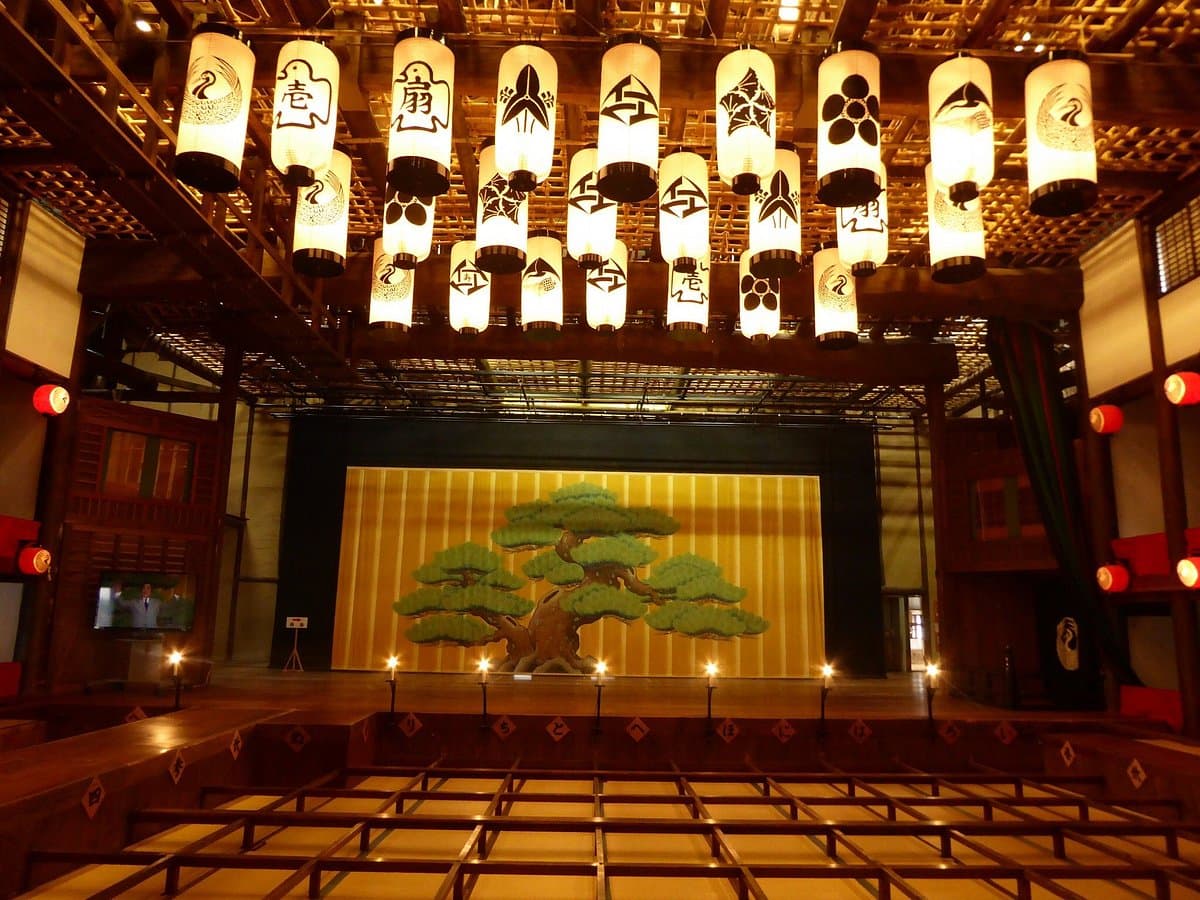
The Former Konpira Old Theater Kanamaruza, established in 1835, holds the distinction of being Japan's oldest surviving kabuki theater. It is a designated National Important Cultural Property and continues to host kabuki performances, primarily in April. This historical venue offers a rare opportunity to experience the architecture and atmosphere of traditional Japanese theater, providing a tangible connection to the country's rich performing arts heritage.
Visitors consistently praise the engaging and informative tours, often led by enthusiastic local volunteers or staff. Many reviewers highlight the unique experience of exploring the backstage areas, the cellar, and the intricate stage mechanisms, which allow for dramatic scene changes. The ability to wander freely and imagine a performance in this historic setting is a recurring positive theme. While some note the lack of props or costumes, the building itself and the detailed explanations are generally considered sufficient to bring the history to life.
To make the most of your visit, allocate about 1 to 1.5 hours. Reviewers suggest that visiting on a drizzly day or during off-peak hours can lead to a more private and unhurried experience. English-speaking guides or English handouts are often available, enhancing the understanding of the theater's history and functions. Be aware that seating for actual performances involves sitting on flat 'corrals' or tatami mats, which some foreign visitors might find uncomfortable. Consider visiting in April if you wish to see a live kabuki performance, though tickets may be difficult to obtain.
The theater is conveniently located within an easy walking distance from Kotohira Station. While signs could be improved, many visitors find their way without significant difficulty. It's also a short walk from many local ryokans. For those combining their visit with the Kotohiragu Shrine, the theater is a logical and enriching stop.
A common complaint among some visitors is the absence of video displays showing actual kabuki performances within the theater, which could further enhance the experience. To mitigate this, consider watching videos of traditional kabuki performances online before your visit to better appreciate the context of the stage and its mechanisms.