What This Place Is
Chichu Art Museum is an underground art museum located on Naoshima island in the Seto Inland Sea. Designed by world-renowned Japanese architect Tadao Ando and completed in 2004, the museum was built almost entirely underground to preserve the natural landscape. The building features works by three major artists: Claude Monet (five water lily paintings), James Turrell (light installations), and Walter De Maria (sculptural works). The museum is not a traditional collection but rather a series of site-specific installations where the architecture, natural light, and artworks are inseparable from one another.
What Visitors Consistently Praise and Warn About
Visitors overwhelmingly praise the architectural design and the immersive quality of the experience. The interplay of natural light through skylights, the minimalist concrete spaces, and the careful curation of artworks create what many describe as a spiritual or meditative encounter. The Monet room—where visitors remove their shoes and enter a white gallery lit only by natural light—is frequently cited as a highlight. James Turrell's light installations, particularly "Open Sky" and "Open Field," receive particular acclaim for their ability to make visitors reconsider how they perceive space and light.
However, significant criticism centers on three points: (1) the high entrance fee (approximately 2,060–2,500 yen) for a limited number of artworks—only nine pieces total from three artists; (2) the strict no-photography policy and rigid behavioral expectations (silence enforced, no touching walls, shoe removal for certain rooms), which some visitors find overly controlling; and (3) the confusing layout and lack of clear signage, which can leave visitors disoriented, particularly those unfamiliar with contemporary art. Several visitors note that the experience is heavily dependent on personal taste—those who appreciate minimalism and light-based art find it transcendent, while those expecting a traditional museum with diverse collections feel disappointed.
Practical Advice: Preparation, Duration, and What to Expect
Booking tickets online in advance is non-negotiable. The museum operates on a strict timed-entry reservation system to limit visitor numbers and preserve the contemplative atmosphere. Walk-ins without reservations may be turned away or assigned entry times hours later. Tickets typically become available 1–2 months in advance on the Benesse website. Aim for early morning slots (first entry at 10:00 AM) to experience the museum with minimal crowds and optimal natural lighting conditions.
Plan to spend 1–2 hours inside the museum itself. Many visitors complete the core experience in 45 minutes to 1.5 hours, though some linger longer in the cafe or revisit rooms. Wear comfortable, easy-to-remove shoes, as you will need to remove them to enter the Monet gallery. Bring a light layer, as the underground spaces can feel cool. The museum has a small cafe with views; many visitors take a break there. Do not expect a large collection—this is a curated, minimalist experience. If you are unfamiliar with contemporary art or light installations, read a brief overview beforehand to set realistic expectations. Families with young children should reconsider; the enforced quiet and limited interactive elements make it challenging for restless visitors.
Getting There: Public Transport and Access
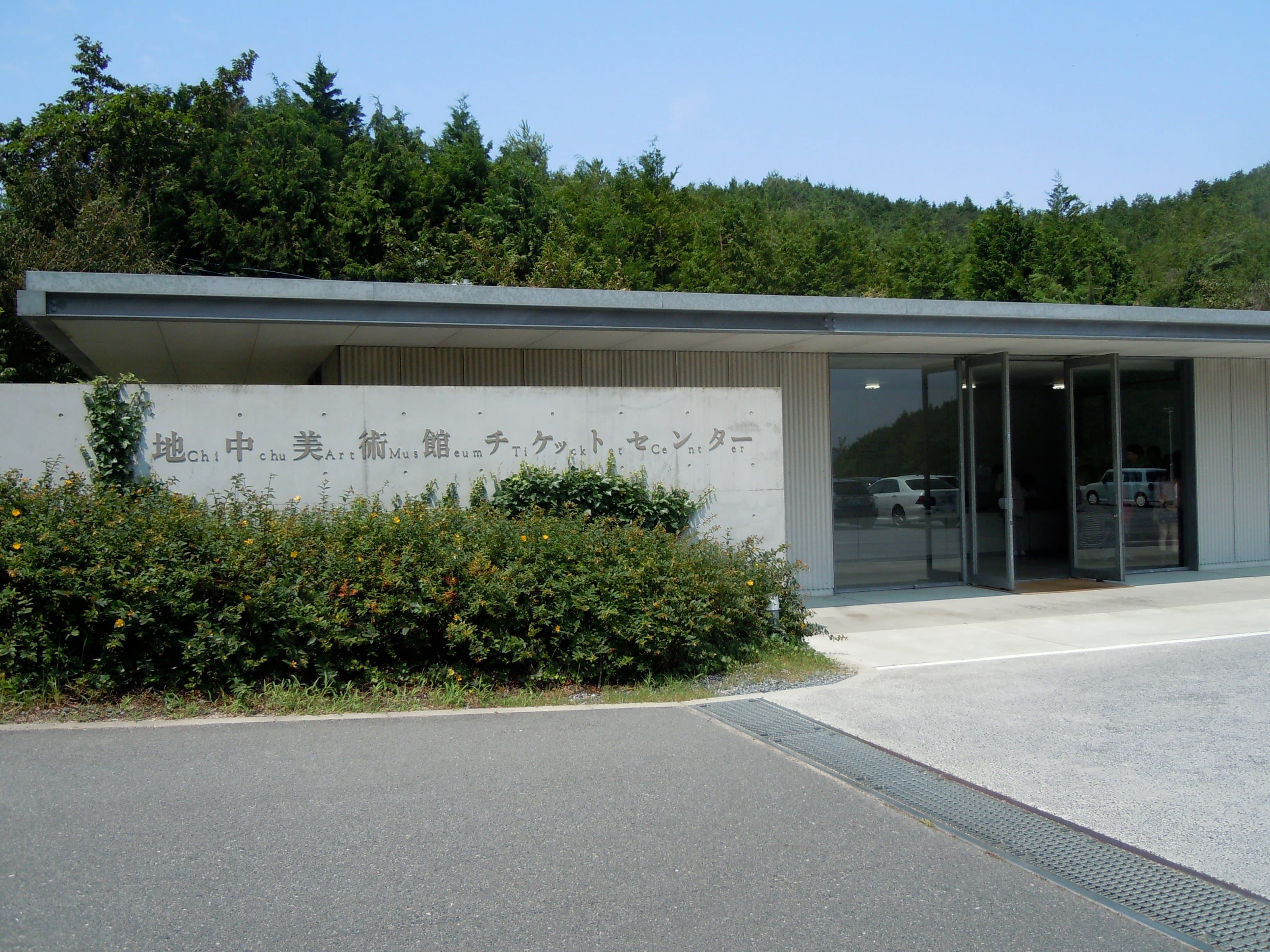
Naoshima is accessible by ferry from Takamatsu (the nearest major city). From Takamatsu Station, take a rapid ferry (approximately 50 minutes) to Naoshima Port. Once on the island, the Chichu Art Museum is located on the southern side. A free shuttle bus runs from the ferry terminal and ticket center to the museum entrance, though it operates infrequently (once or twice per hour) and can have long queues during peak times. The walk from the ticket center to the museum entrance is approximately 100–150 meters uphill. If you arrive by bicycle (rentals available on the island), note that bicycles cannot be ridden within the museum grounds; park them at the designated area near the ticket center. Driving is possible if you rent a car, with parking available near the ticket office. The walk from the parking area to the museum entrance takes about 30–40 minutes through a scenic forested path, which many visitors find pleasant. Visitors arriving by car should note that the ticket office and museum entrance are separate locations—you must first stop at the ticket office to exchange your online booking confirmation for a physical ticket before proceeding to the museum entrance.
Common Complaints and How to Mitigate Them
The most frequent complaint is the high cost relative to the number of artworks. To mitigate disappointment, adjust your expectations: this is not a museum in the traditional sense but an architectural and sensory experience. The "art" includes the building itself, the play of light, and the carefully designed spaces. Second, the confusing layout and lack of English signage frustrate some visitors. Arrive with a printed map (available at the entrance) and take time to orient yourself. The rigid behavioral rules (no photos, enforced silence, shoe removal) can feel unwelcoming; remember that these rules exist to preserve the contemplative atmosphere and protect the artworks. If you find the experience overwhelming, take breaks in the cafe or outside. Finally, some visitors report difficulty with the ticket exchange process—do not assume your online booking is sufficient; you must physically exchange it at the ticket office before entering the museum.