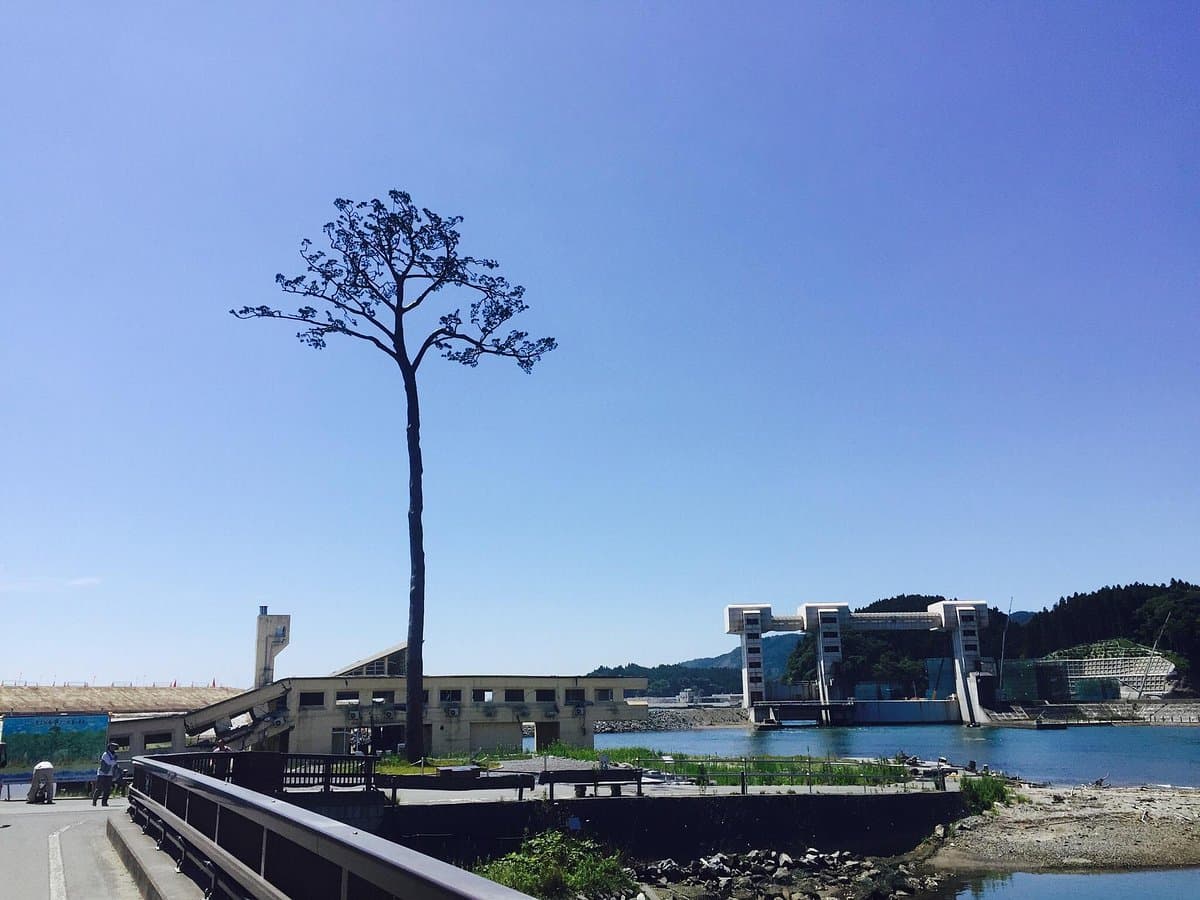
The Miracle Lone Pine Tree is not merely a tree; it is a profound monument to the resilience of the human spirit in the face of unimaginable natural disaster. After the catastrophic 2011 Great East Japan Earthquake and Tsunami, this single pine was the only one of 70,000 trees along Rikuzentakata's coast to remain standing. While the original tree eventually died due to saltwater damage, it has been meticulously preserved and recreated as a permanent memorial, symbolizing hope and the community's determination to rebuild.
Visitors consistently describe the experience as humbling and deeply moving. Many praise the site for bringing the reality of the tsunami home, especially when combined with a visit to the adjacent Tsunami Memorial Museum, which offers extensive English-language resources. Reviewers highlight the powerful symbolism of the tree, representing the strength and stubbornness of the Japanese people. The surrounding landscape, though still showing signs of reconstruction, helps visitors grasp the immense scale of the damage and the ongoing recovery efforts. Several visitors recommend taking time to reflect on both the tragedy and the community's future.
To make the most of your visit, allocate at least 1-2 hours, especially if you plan to explore the Tsunami Memorial Museum. The site is generally quiet, offering a contemplative atmosphere. Reviewers suggest stopping at the gift shop to support local recovery efforts and perhaps enjoying a soft cream. While the tree itself is the main attraction, the surrounding area provides context for understanding the disaster's impact. It's advisable to visit during daylight hours to fully appreciate the landscape and the memorial.
The Miracle Lone Pine Tree is located at 176-6 Sunamori Kesencho, Rikuzentakata, Iwate Prefecture. While specific public transport details are not frequently mentioned in reviews, visitors often describe driving to the site. Given the ongoing reconstruction in the area, driving or taking a taxi might be the most convenient options. The site is accessible, and visitors can walk around the memorial area. Parking is generally available for those arriving by car.
A common point of clarification from visitors is that the tree is now a replica, having been preserved and reconstructed after the original died. Some reviewers initially expressed surprise or disappointment, but most agree that its symbolic power remains undiminished. Understanding this history beforehand can enhance the appreciation of the memorial. The surrounding area is still undergoing significant rebuilding, which some visitors note can resemble a vast construction site, but this also serves as a stark reminder of the tsunami's impact.