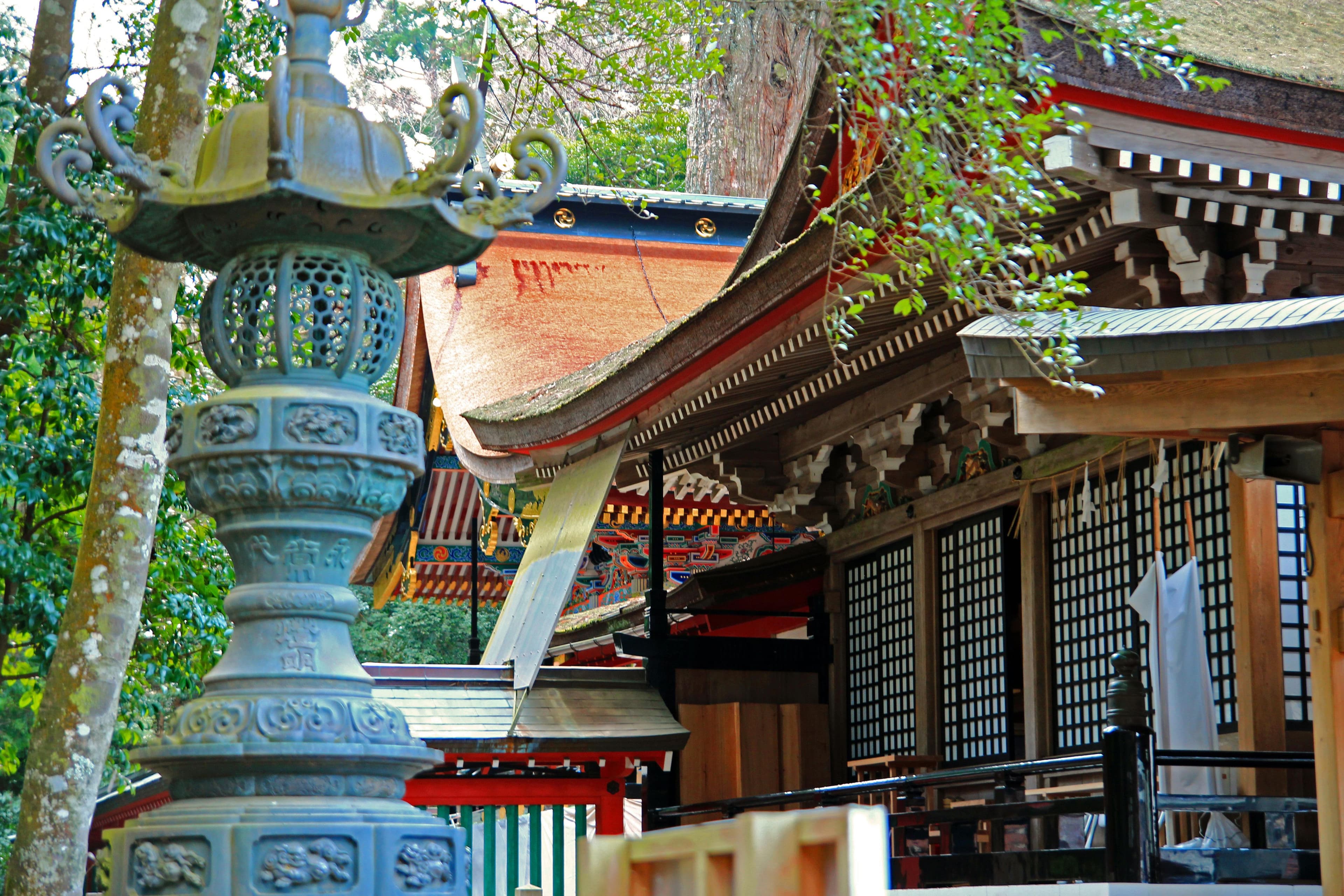
Kashima Jingu Shrine is one of the three most important shrines in Eastern Japan, with a history dating back to 660 BC. Dedicated to Takeu-katsuki Ogami, the god of martial arts, it holds significant cultural and historical value. The shrine is particularly noted for its vast, ancient cedar forests and its role as a spiritual 'power spot,' attracting visitors seeking a connection to Japan's ancient past and a sense of tranquility.
Visitors consistently praise the shrine's expansive and well-maintained grounds, often describing the atmosphere as divine, calming, and akin to a Ghibli world. Many highlight the towering historic trees, especially the magnificent cedar forest leading to the Okumiya (inner shrine), which provides a refreshing and pleasant walk. The presence of deer, which can be fed, and the Mitarai Pond with its teahouse serving dango, are frequently mentioned as enjoyable features. Reviewers also appreciate the sense of history and the opportunity to experience a traditional Japanese shrine without the overwhelming crowds found at more central locations, particularly on weekdays.
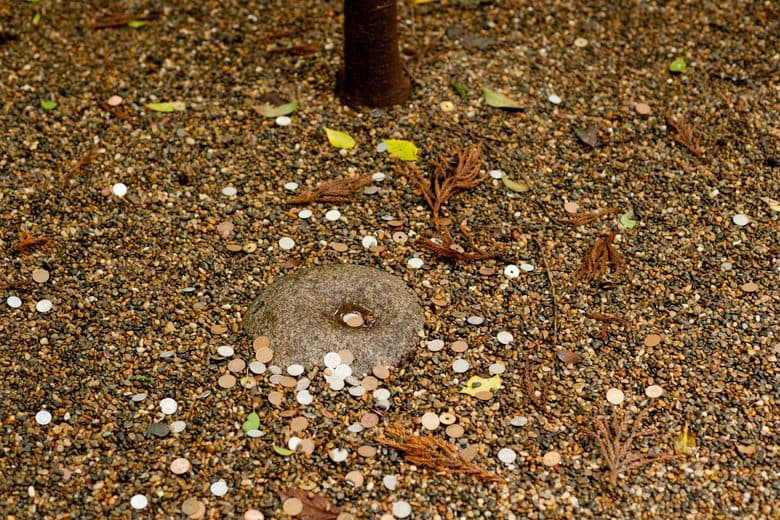
To make the most of your visit, allocate at least 1.5 to 2 hours to explore the grounds thoroughly, especially if you plan to walk to the Okumiya and Mitarai Pond. Many suggest visiting in the morning or on a clear winter day for crisp air and fewer people. Wear comfortable shoes as there is a fair amount of walking, much of it on unpaved paths. While the main shrine buildings are impressive, don't miss the deeper parts of the grounds, such as the deer garden, the keystone (said to protect against earthquakes), and the serene Mitarai Pond. Some visitors recommend bringing a small amount of cash for buying deer feed or snacks at the teahouse.
Kashima Jingu Shrine is accessible by train. It is approximately a 10-minute walk from Kashimajingu Station on the JR Kashima Line. For those driving, there are parking lots available, with some reviewers noting free parking options, especially on weekdays. The shrine is also a popular stop on bus tours visiting the three major shrines of Eastern Japan. From Narita, it's about an hour by local train, making it a feasible day trip.
A common complaint among some visitors is that certain important cultural properties, such as the main hall and tower gate, have been under repair and covered at various times. While this can detract from the visual experience, the natural beauty of the forest and the overall spiritual atmosphere remain largely unaffected. Checking the shrine's official website for repair schedules before your visit might be helpful if seeing specific structures is a priority.