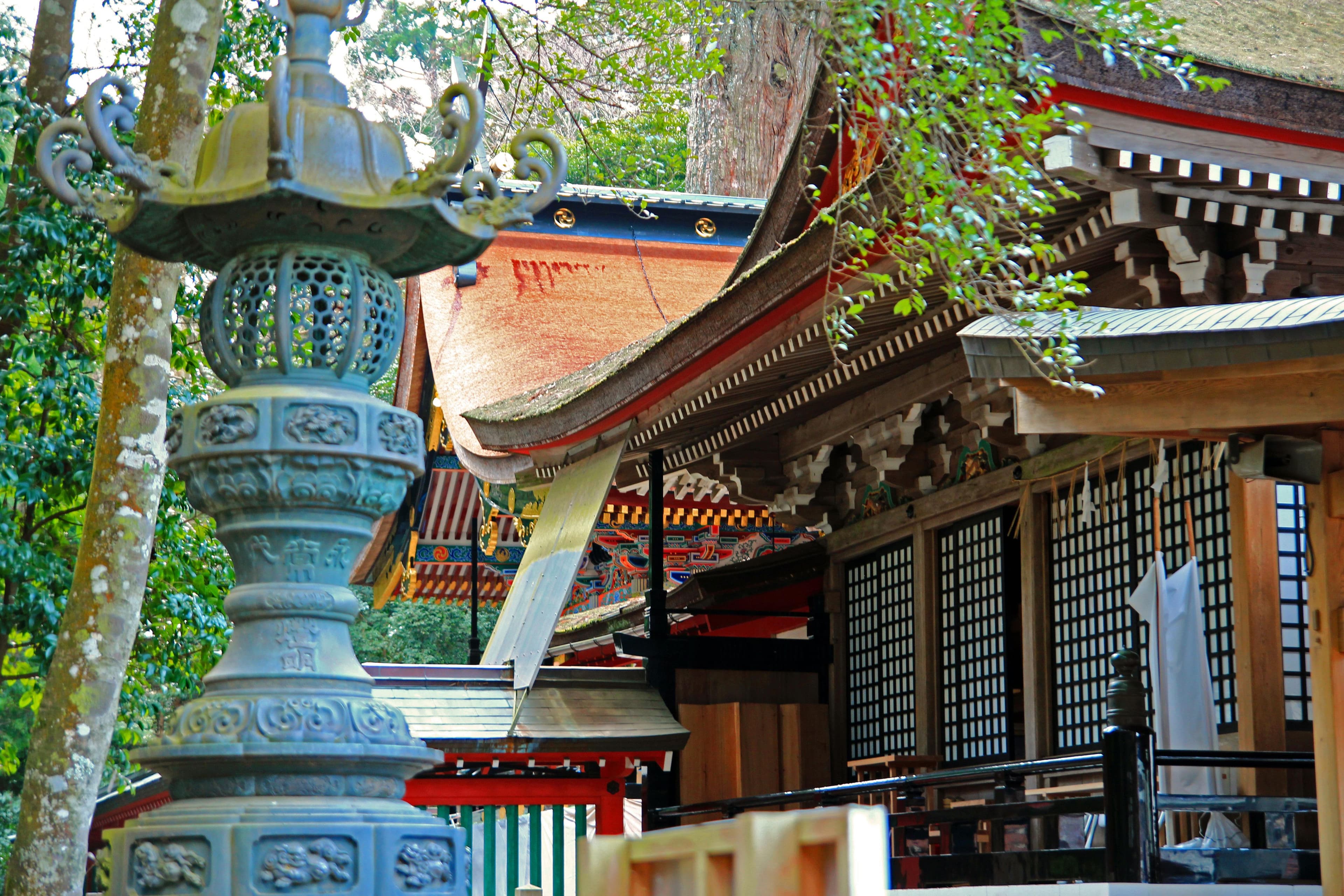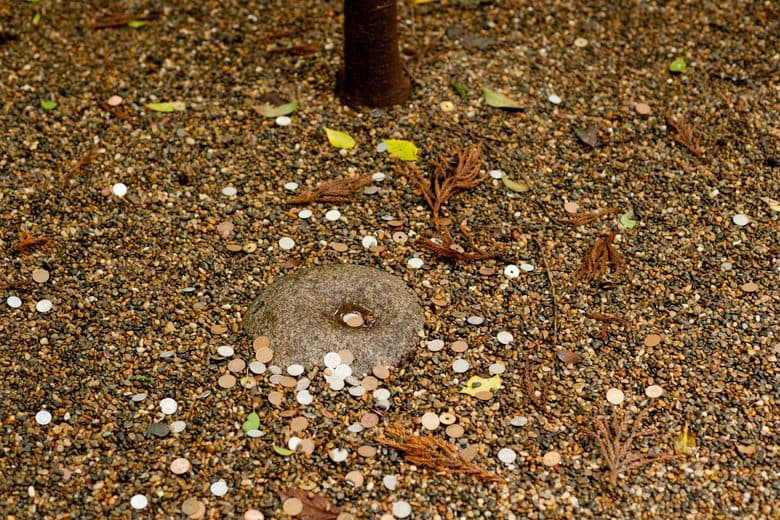
Kaname-ishi, located within the grounds of Kashima Jingu, is a significant site rooted deeply in Japanese mythology. It is believed to be the exposed tip of a much larger monolith that extends deep underground, pinning the head of Namazu, a colossal mythical catfish said to cause earthquakes with its thrashing. This legend highlights ancient Japanese attempts to explain seismic activity and the role of deities in controlling natural forces, making the seemingly simple stone a powerful symbol of protection and divine intervention.
Visitors consistently express fascination with the legend surrounding Kaname-ishi, often noting the contrast between the stone's modest appearance and its profound mythological importance. Many find the story intriguing and appreciate the opportunity to connect with a unique aspect of Japanese folklore. Reviewers often mention the peaceful atmosphere of Kashima Jingu itself, which enhances the experience of visiting this sacred spot. The stone itself is not visually spectacular, but its narrative context makes it a memorable stop for those interested in cultural stories.
To fully appreciate Kaname-ishi, it is recommended to read about its legend beforehand. Visitors typically spend a short amount of time at the stone itself, perhaps 10-15 minutes, as it is part of the larger Kashima Jingu complex. The best time to visit is during daylight hours, preferably on a clear day, to enjoy the shrine grounds. There are no specific items to bring, but comfortable walking shoes are advisable for exploring the shrine.
Kaname-ishi is easily accessible. The Kashima Jingu shrine, where the stone is located, is a 10-minute walk from Kashima-Jingu Station. This station is served by the JR Kashima Line, making it convenient for those traveling by public transport. Follow the signs from the station to the shrine, and then within the shrine grounds, signs will direct you to Kaname-ishi.
A common observation from visitors is that the stone itself is rather small and unassuming, which can be anticlimactic if one expects a grand monument. To mitigate this, approach the site with an appreciation for its historical and mythological significance rather than its physical grandeur. Understanding the legend beforehand greatly enhances the experience.