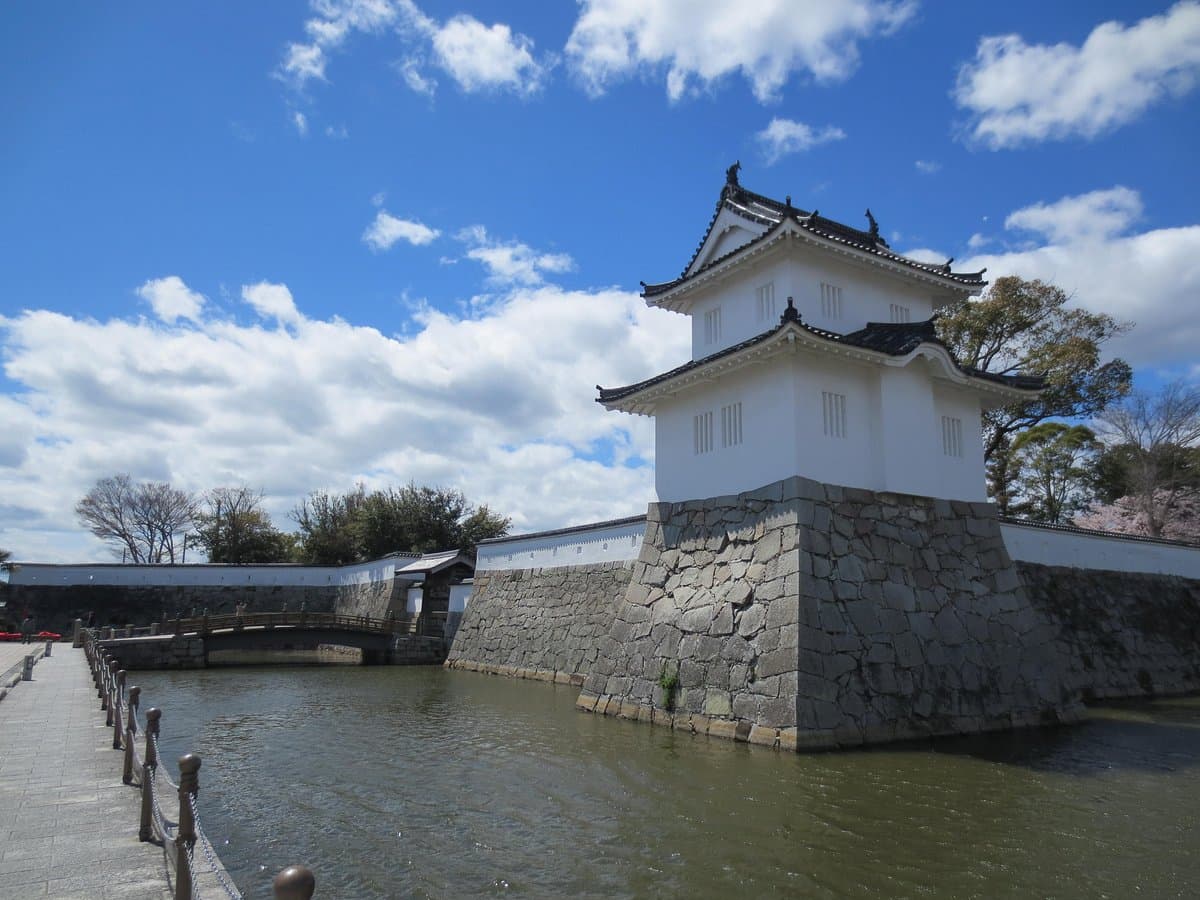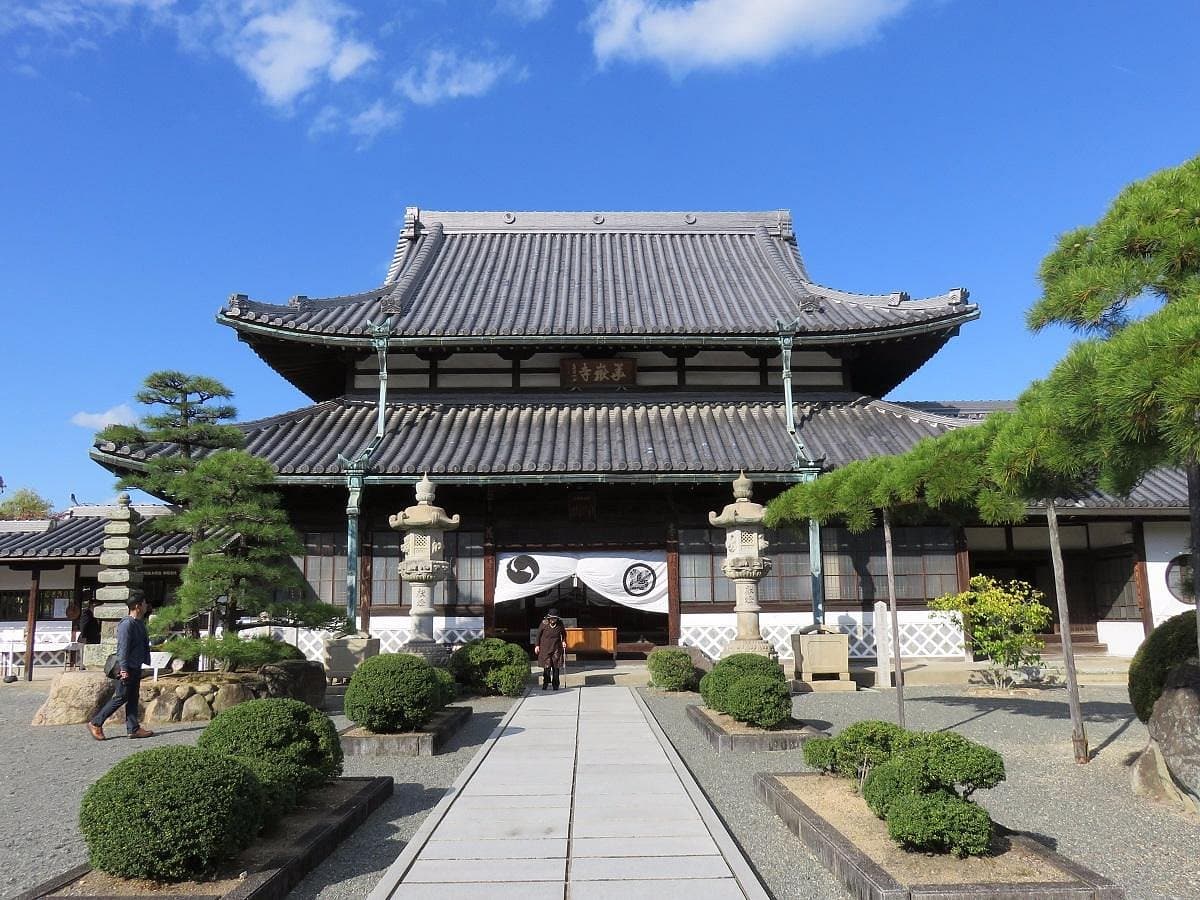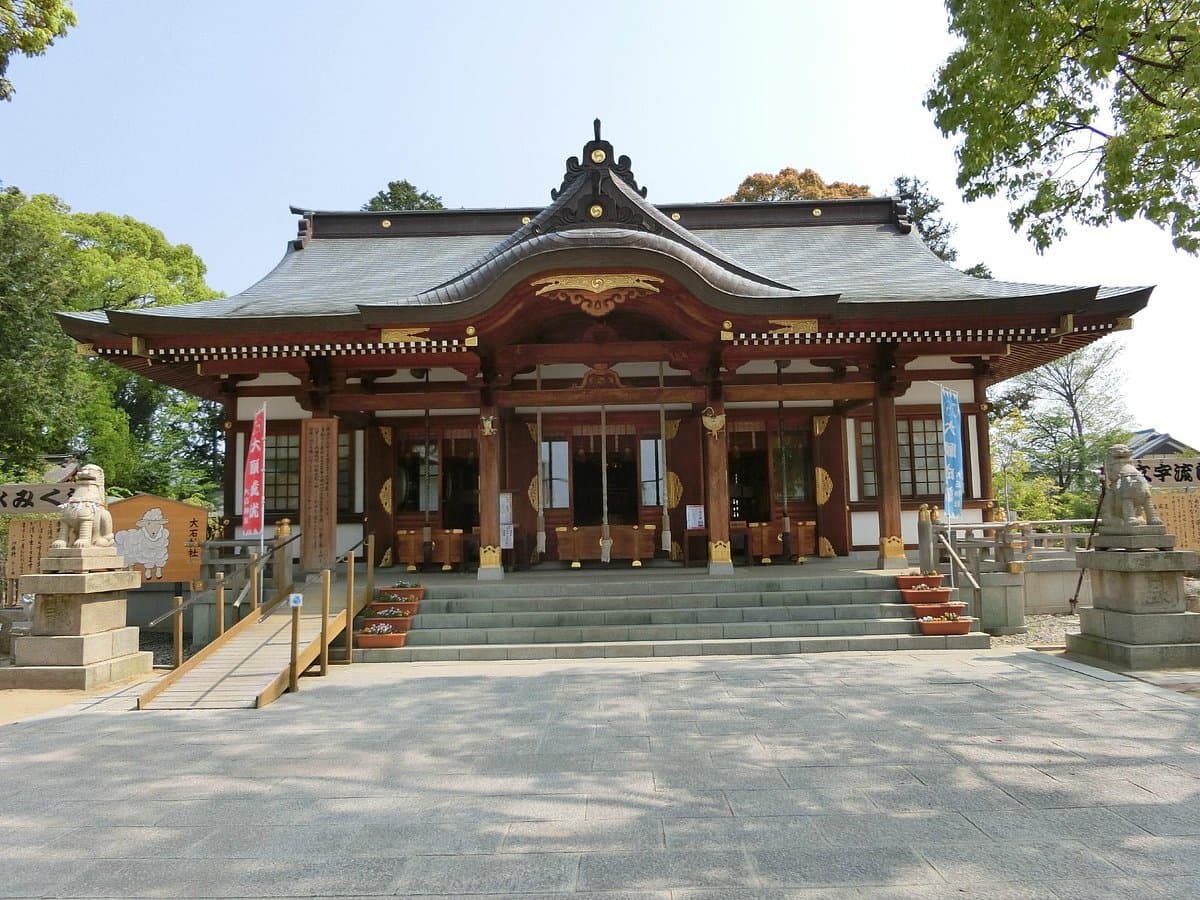
Ako Oishi Shrine is a relatively modern shrine, built in 1900, yet it stands as a profound tribute to the 47 Ronin and their leader, Oishi Kuranosuke. This site is deeply significant in Japanese history, commemorating the loyalty and sacrifice depicted in the famous Chushingura story. Located within the former Ako Castle grounds, it serves as a central point for understanding the Ako Incident.
Visitors consistently praise the shrine for its evocative atmosphere and the impressive stone statues of the 47 Ronin that line the approach. Many find the experience deeply moving, especially those familiar with the historical context. Reviewers often highlight the sense of authenticity and the serene environment, noting that even without understanding Japanese, the beauty and tranquility are palpable. The shrine also houses a museum, the Gishi Homotsuden, displaying artifacts related to the Ronin, which many find highly informative for a deeper dive into the story.
To make the most of your visit, allocate approximately 1 to 2 hours. While the main shrine building is free to enter, there is an additional fee for the outbuildings, including the museum and the Oishi Residence Garden, which many visitors recommend for a comprehensive experience. It's advisable to visit during cooler parts of the day or year, as the walk to the shrine is exposed. Bringing a camera is recommended, as the statues and grounds offer excellent photo opportunities. For those deeply interested in the 47 Ronin, consider researching the story beforehand to enhance your appreciation of the site.
The shrine is conveniently located about a 5-minute walk from the Ako Castle ruins. For those arriving by public transport, it's approximately an 18-minute walk from Banshu Ako Station. Many visitors note passing through the historic Nagayamon gate on their way to the shrine, which adds to the historical journey. The area is well-signposted, making it easy to navigate on foot from the station or castle.
A common point raised by visitors is that while the main shrine is free, the additional fees for the museum and garden can be unexpected. To mitigate this, be prepared for these extra costs if you wish to explore all aspects of the site. Some reviewers also mention that the information provided in the museum might be predominantly in Japanese, so having a translation app or a guide could be beneficial for non-Japanese speakers.