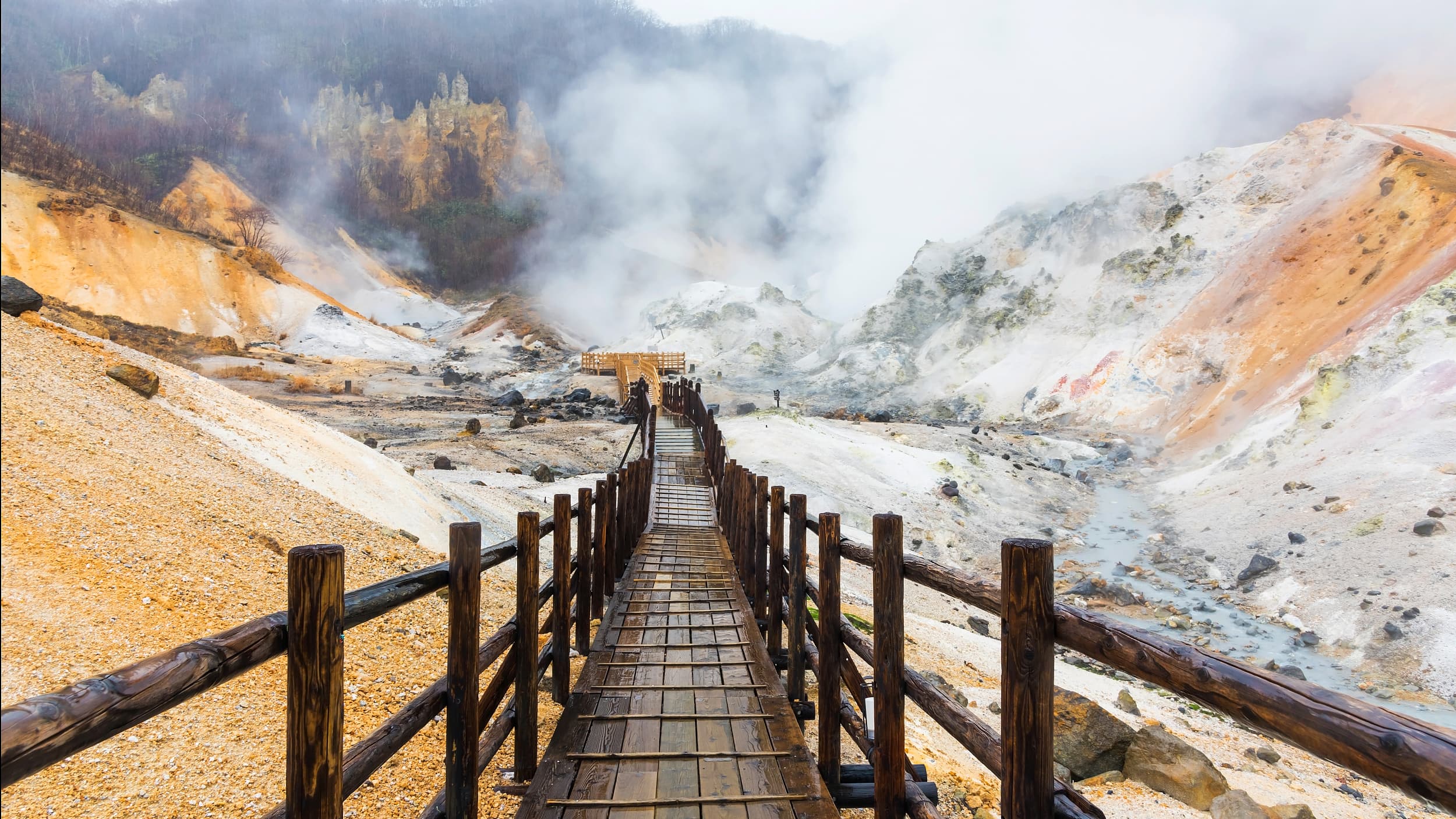
Noboribetsu Jigokudani Valley, often called Hell Valley, is the primary source of Noboribetsu's renowned hot spring waters and a striking example of active volcanic topography. Formed by a volcanic eruption approximately 20,000 years ago, this 24-acre crater remnant continuously emits volcanic gases, steam, and boiling water, creating a landscape that lives up to its infernal name. It's a crucial natural feature that defines the entire Noboribetsu Onsen area, providing the diverse mineral-rich waters for its many hot spring baths.
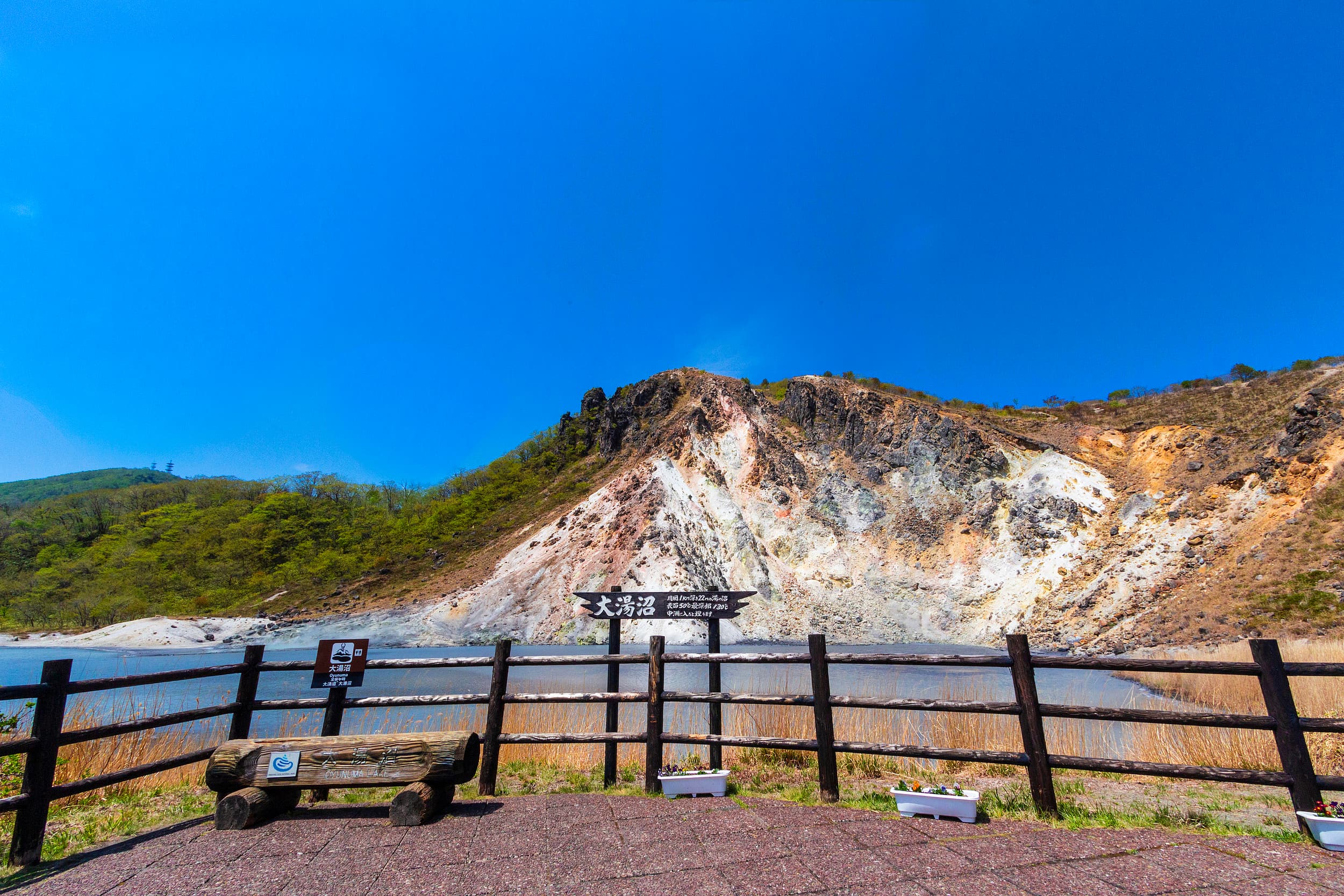
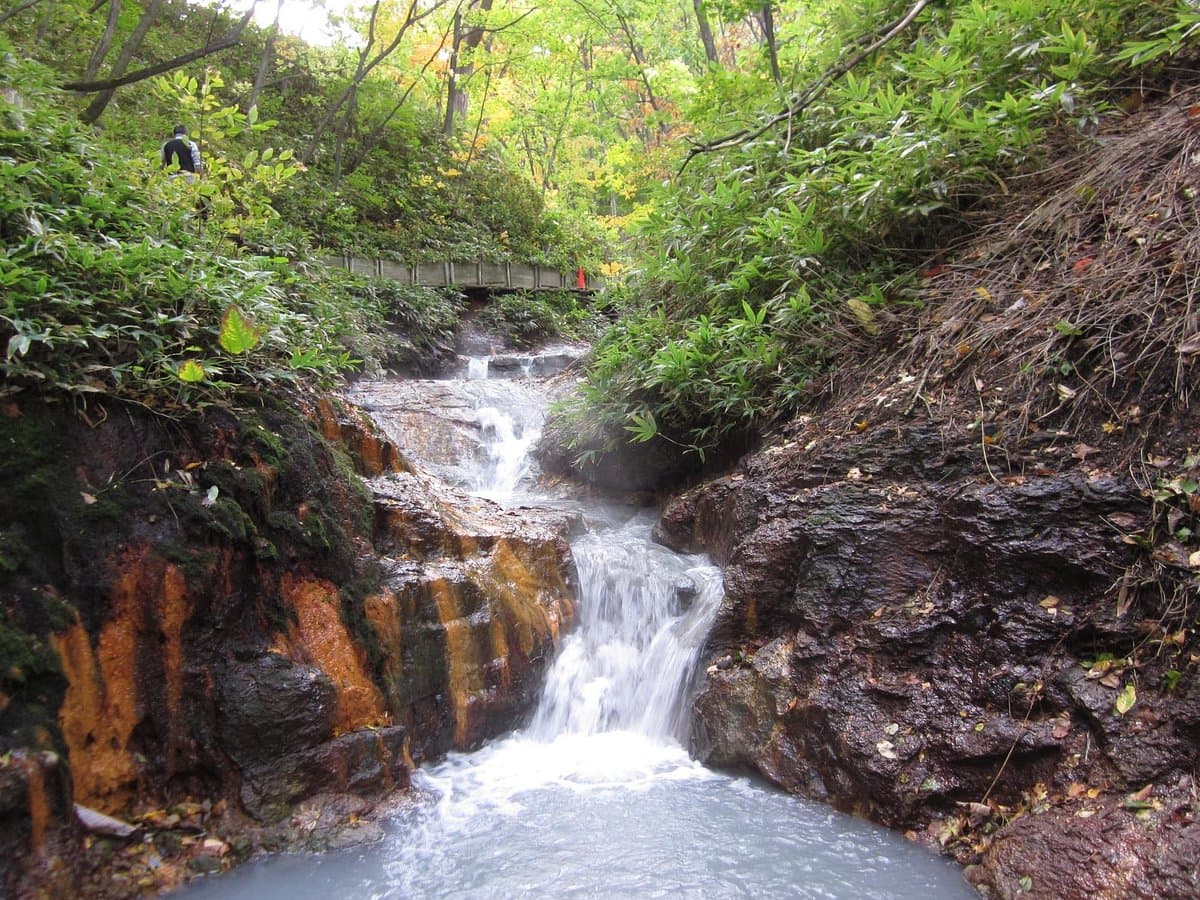
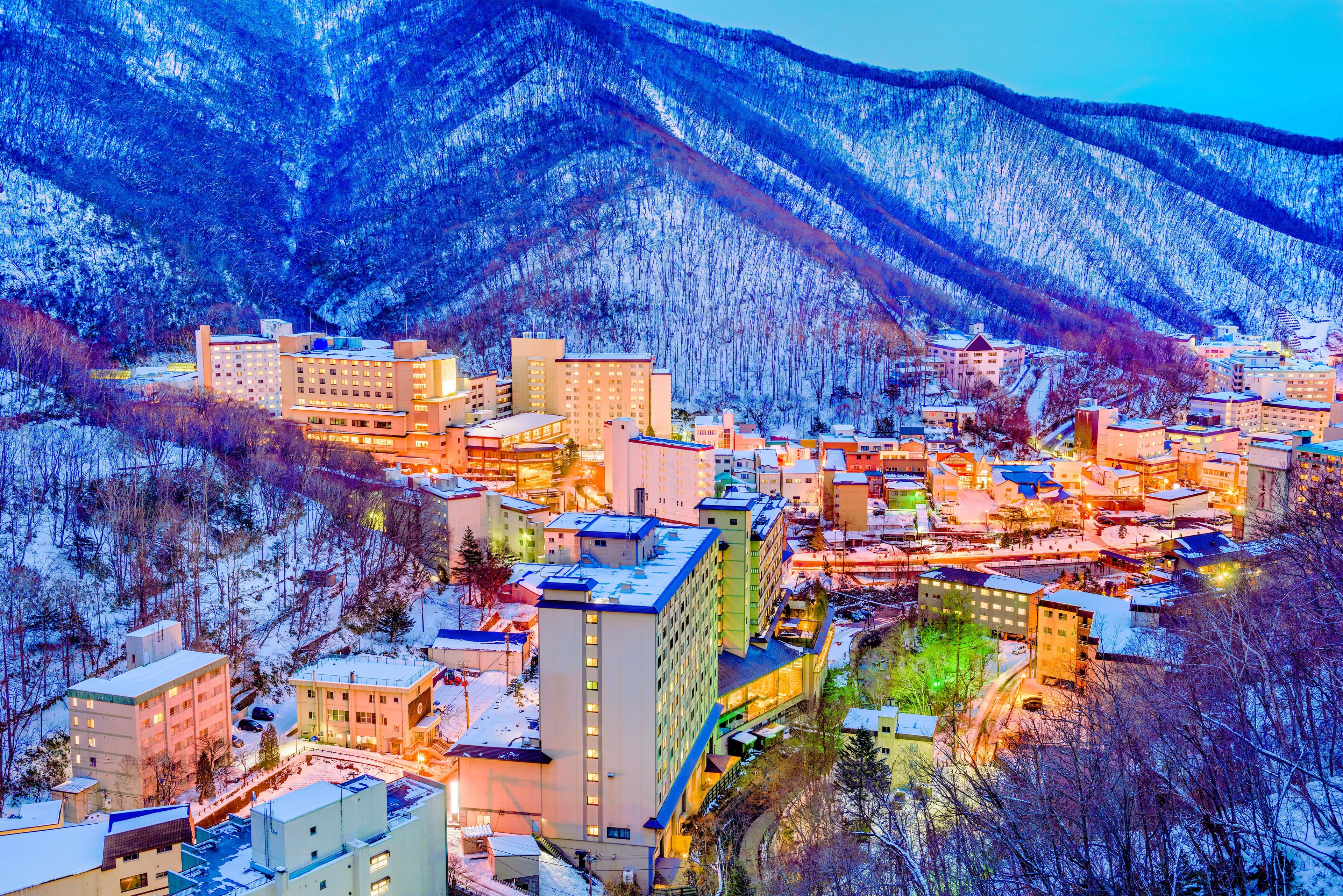
Visitors consistently praise the valley's unique and spectacular scenery, often describing it as otherworldly or like stepping onto another planet. The strong, distinctive smell of sulfur, likened to rotten eggs, is a common theme in reviews, with some finding it pungent but many embracing it as part of the authentic experience. The well-maintained boardwalks and trails are frequently highlighted, making the area accessible for various fitness levels, including families with children. Many enjoy the opportunity to hike further into the valley to discover additional geothermal features like Oyunuma Pond and the natural footbath in the Oyunumagawa river, which offers a relaxing end to a walk. The valley's appearance changes dramatically with the seasons; winter brings a particularly magical, snow-covered scene with intensified steam, though some trails may be closed or slippery.
To make the most of your visit, allocate 1 to 2 hours for exploring the main boardwalks, with an additional hour or two if you plan to hike to Oyunuma Pond and the footbath. Early mornings or evenings are often recommended for fewer crowds and a more tranquil experience, especially for the illuminated night view. While entrance to Jigokudani itself is free, parking typically costs around 500 yen. Reviewers suggest wearing comfortable, non-slip footwear, especially in winter when paths can be icy. Bringing a mask is a good idea if you are sensitive to strong smells, though many find the sulfur scent tolerable. Consider combining your visit with a stay at a local onsen hotel to fully appreciate the source of the therapeutic waters.
Jigokudani is conveniently located within walking distance of most hotels in the Noboribetsu Onsen town. From JR Noboribetsu Station, take a Donan bus directly to the Noboribetsu Onsen Bus Terminal. The valley entrance is then just a 5-15 minute uphill walk from the terminal, with shops and restaurants along the way. For those driving, parking lots are available near the entrance for a fee, though some mention free parking in the evenings. During winter, be aware that some trails, including the path to the natural footbath, may be closed due to snow and ice, and paths can be very slippery, requiring careful walking or appropriate footwear like snow boots (some reviewers mention borrowing them at the entrance).
The most common complaint revolves around the strong sulfur smell, which some visitors find overwhelming. To mitigate this, consider bringing a mask or simply being prepared for the unique aroma. Another frequent comment, particularly in winter, is the closure of certain trails due to snow and ice, limiting exploration options. If visiting in winter, check local conditions beforehand and be prepared for slippery surfaces. Some visitors also note that the main viewing area can get very crowded, especially with tour groups; arriving early or later in the day can help avoid peak times.