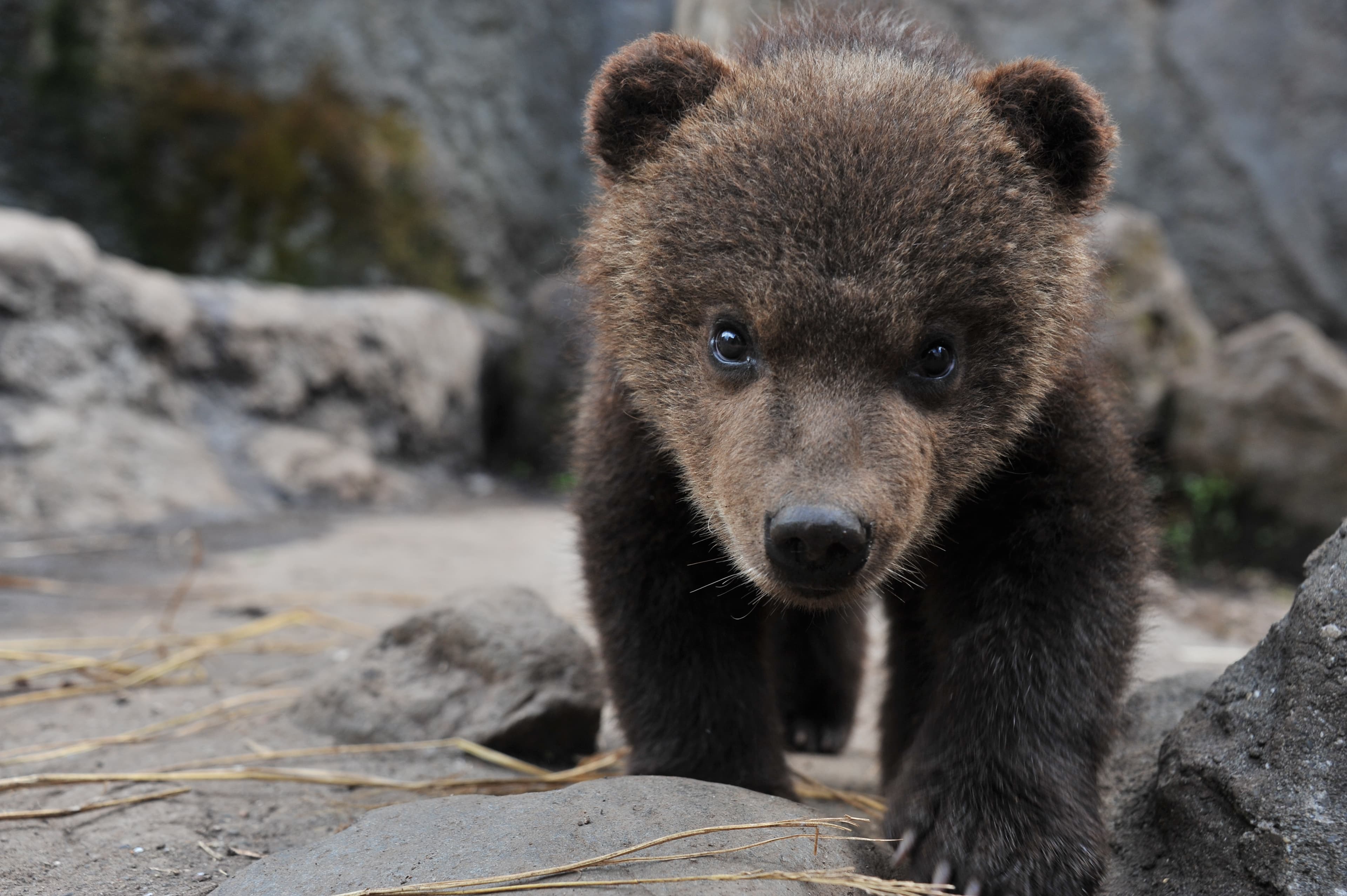
Noboribetsu Bear Park is a facility dedicated to the Hokkaido brown bear, located on a mountaintop accessible by a scenic cable car. It aims to provide an up-close experience with these native bears, offering insights into their behavior and the local ecosystem. The park also features a museum and an Ainu village exhibit, connecting visitors with the cultural history of Hokkaido and its indigenous people.
Visitors consistently praise the opportunity to feed the bears, noting their clever and often amusing ways of soliciting treats. Many find the cable car ride itself to be a highlight, offering stunning views, especially in winter. Families with young children often report a very enjoyable and memorable experience. The duck race is also frequently mentioned as a fun and unique activity. However, a significant number of visitors express concern about the bears' living conditions, describing the enclosures as small, concrete, and lacking natural elements. Some find the bears' trained behavior of begging for food to be sad or unnatural, leading to mixed feelings about the ethical aspects of the park.
To make the most of your visit, plan to spend 1-2 hours at the park. Arriving around noon is recommended if you wish to see the bear competitions or shows. Consider purchasing bear biscuits or apples to feed the bears, as this is a central part of the experience. Be aware that crows may try to snatch food from the bears or directly from visitors. Dress warmly, especially in winter, as the mountaintop can be windy and cold, and metal steps can be slippery. While the park is generally family-friendly, those sensitive to animal welfare issues might find the experience challenging.
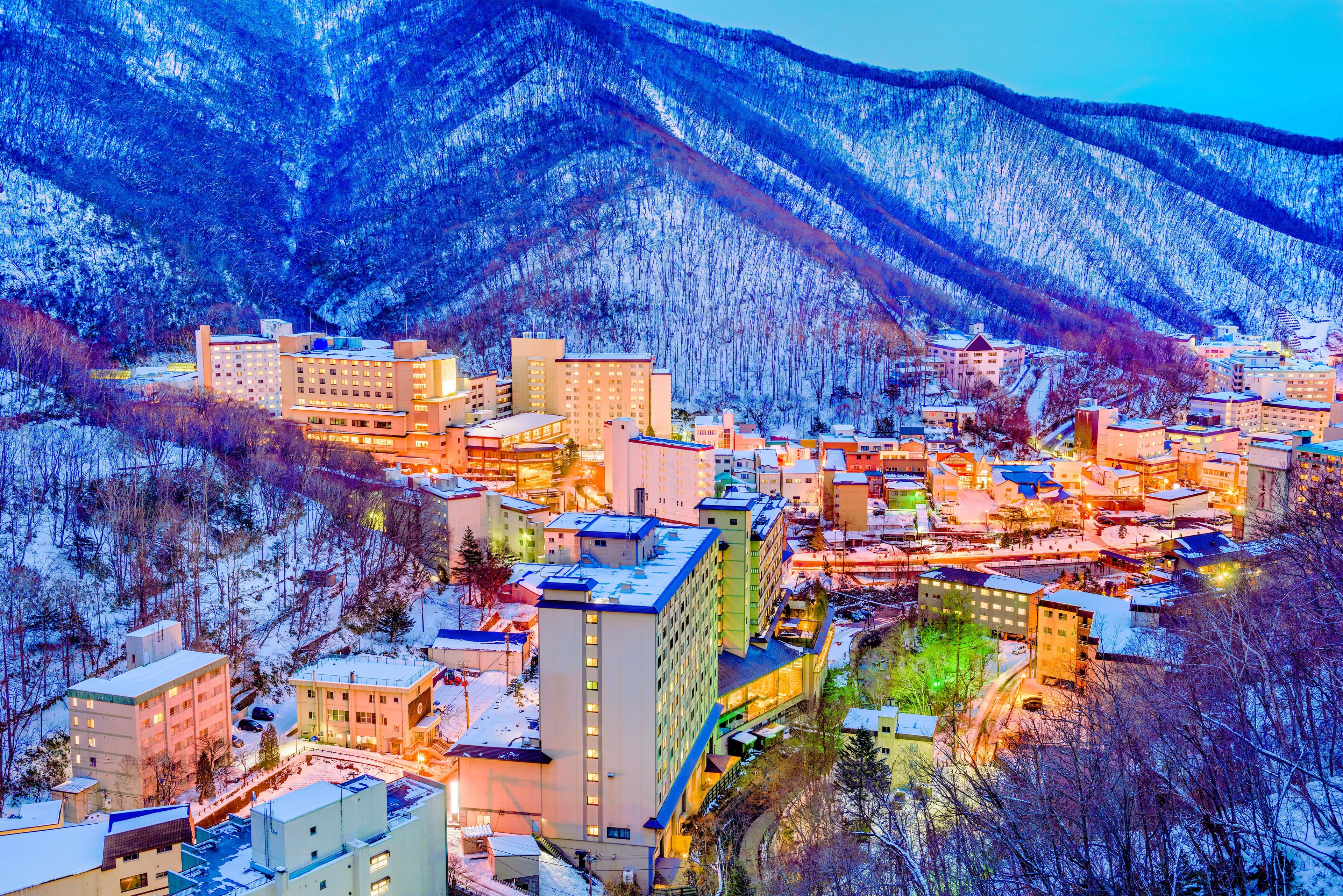
The park is located on a mountain, requiring a cable car ride to reach. The cable car station is within walking distance of many hotels in the Noboribetsu Onsen district. If arriving by train, take a bus from Noboribetsu train station to Noboribetsu Onsen bus station (approximately ¥450), then walk about 5 minutes to the ropeway station. Some hotels, like Daiichi Takimotokan, offer direct shuttle buses to the ranch, and can also help with ticket purchases at a discounted rate. Parking is available for those driving.
The most common complaint revolves around the perceived poor living conditions of the bears and the ethical implications of their training to beg for food. Visitors describe concrete enclosures, limited space, and bears exhibiting repetitive behaviors. To mitigate this, some visitors focus on the educational aspects of the museum and the scenic cable car ride, or choose to view the park as an opportunity to see brown bears that might otherwise be inaccessible. It's important to manage expectations and be aware of these concerns before visiting.