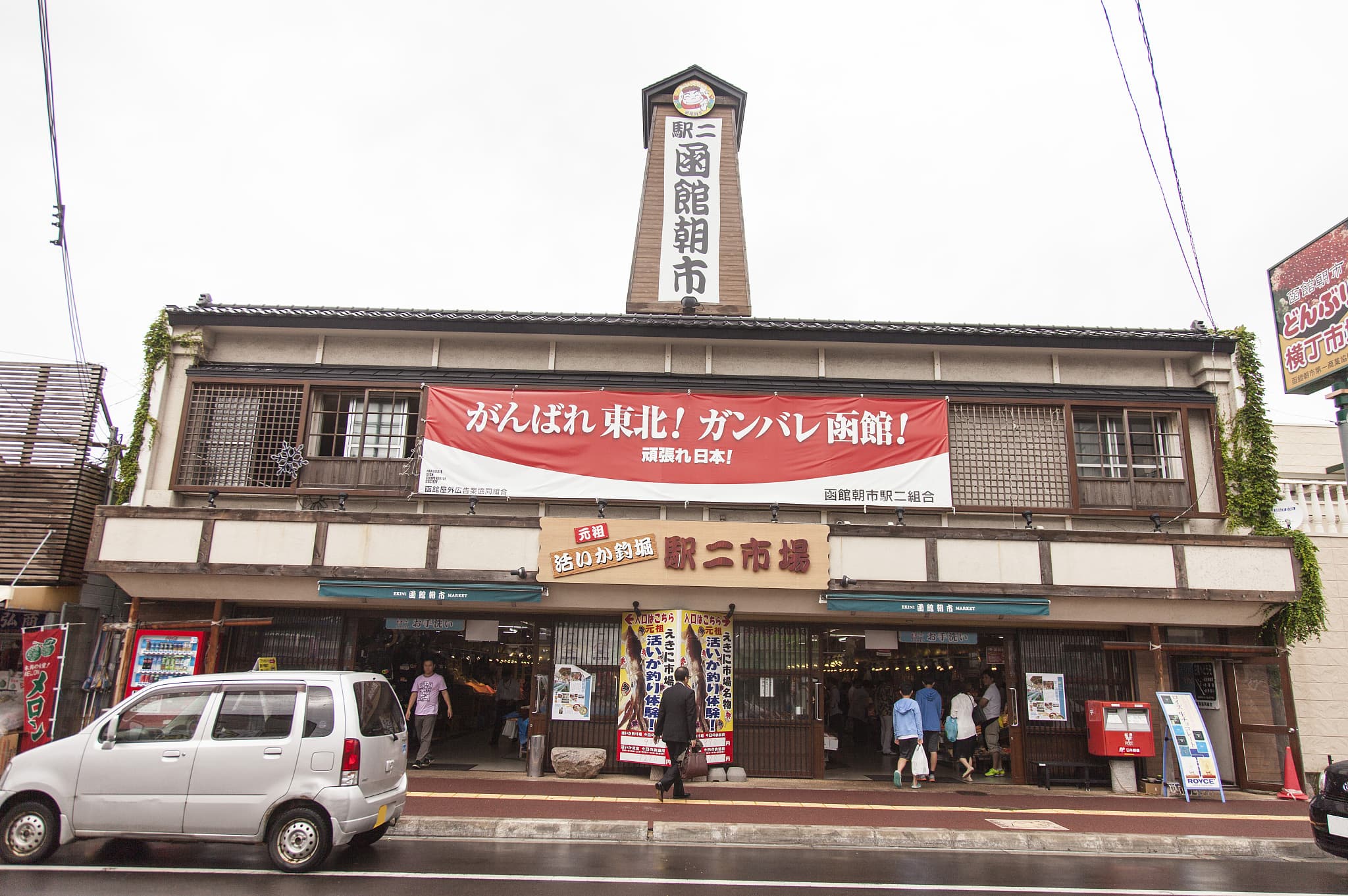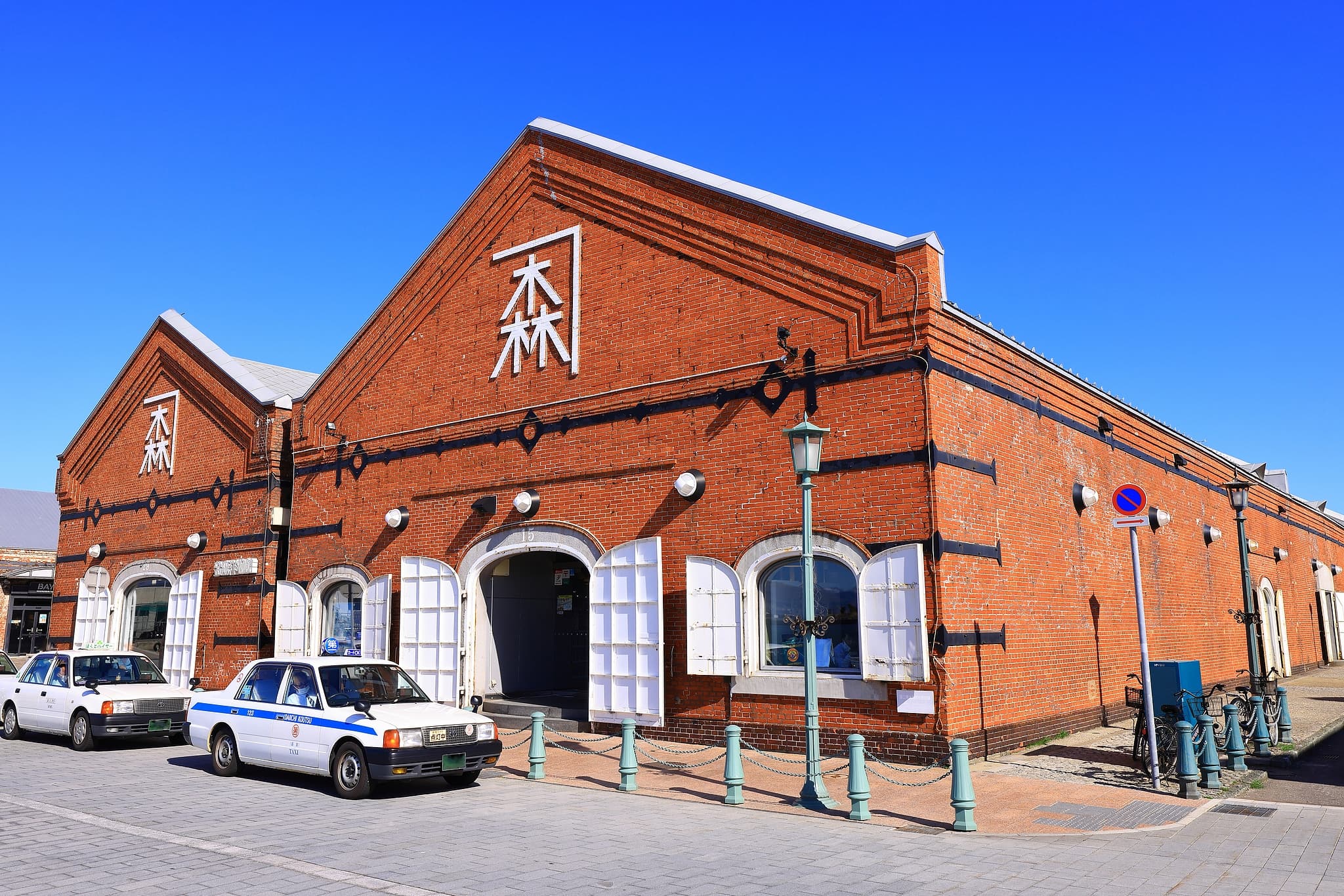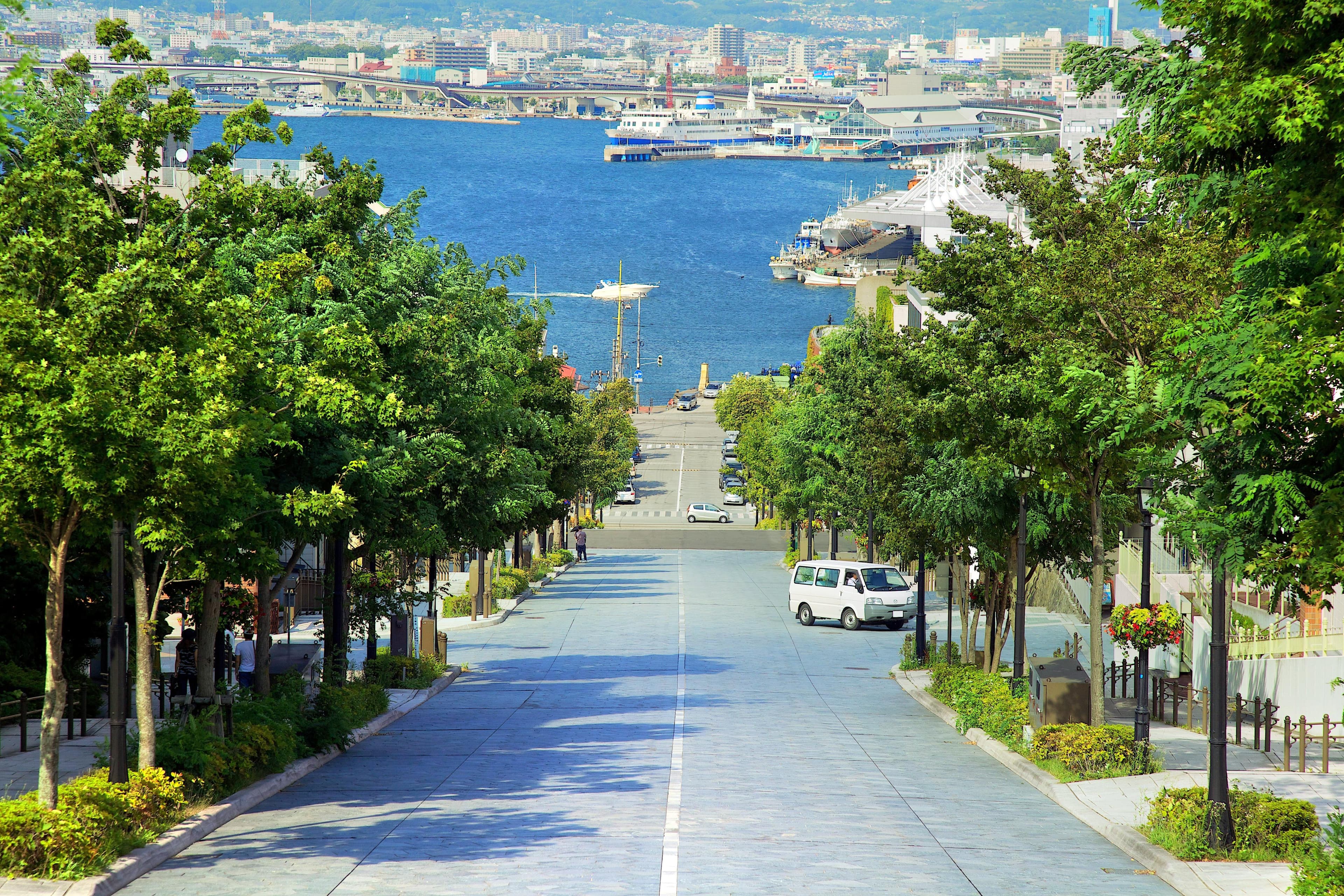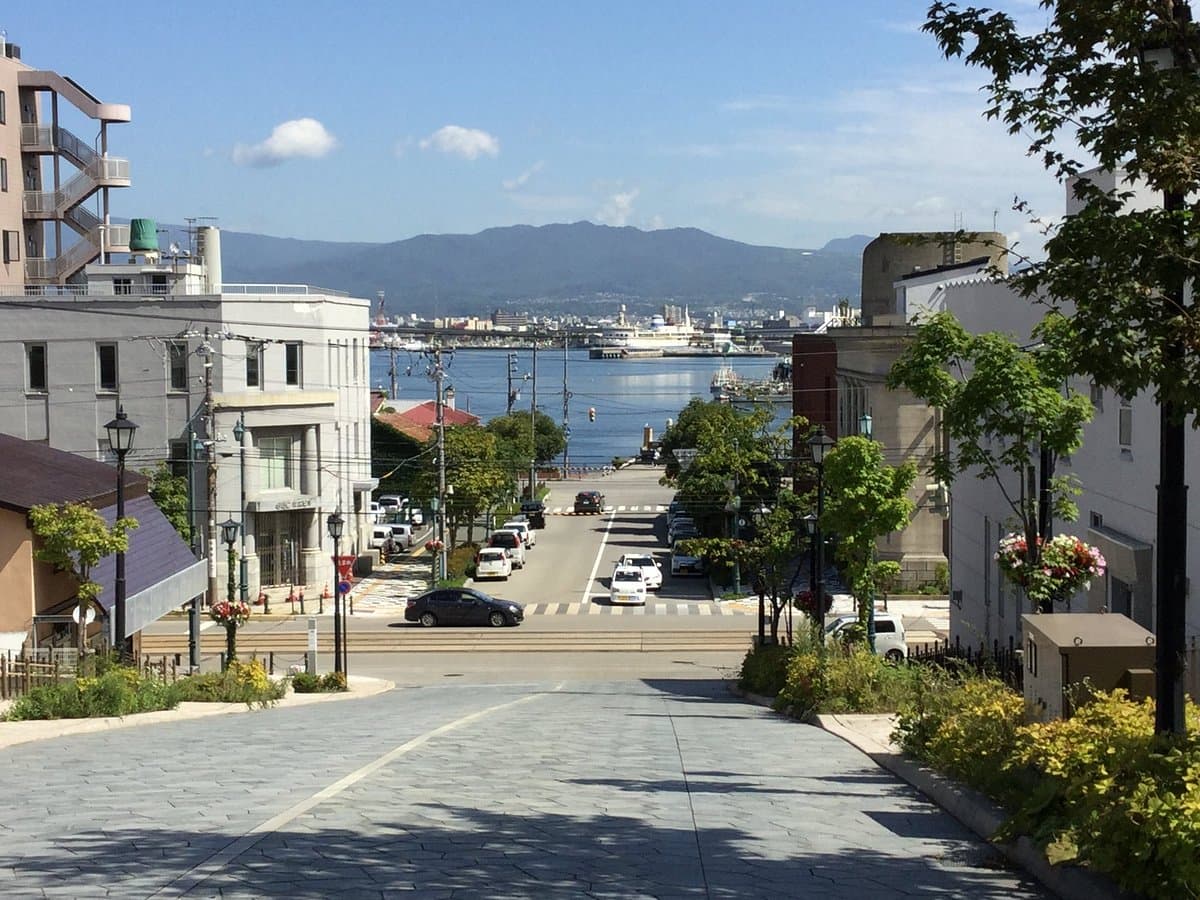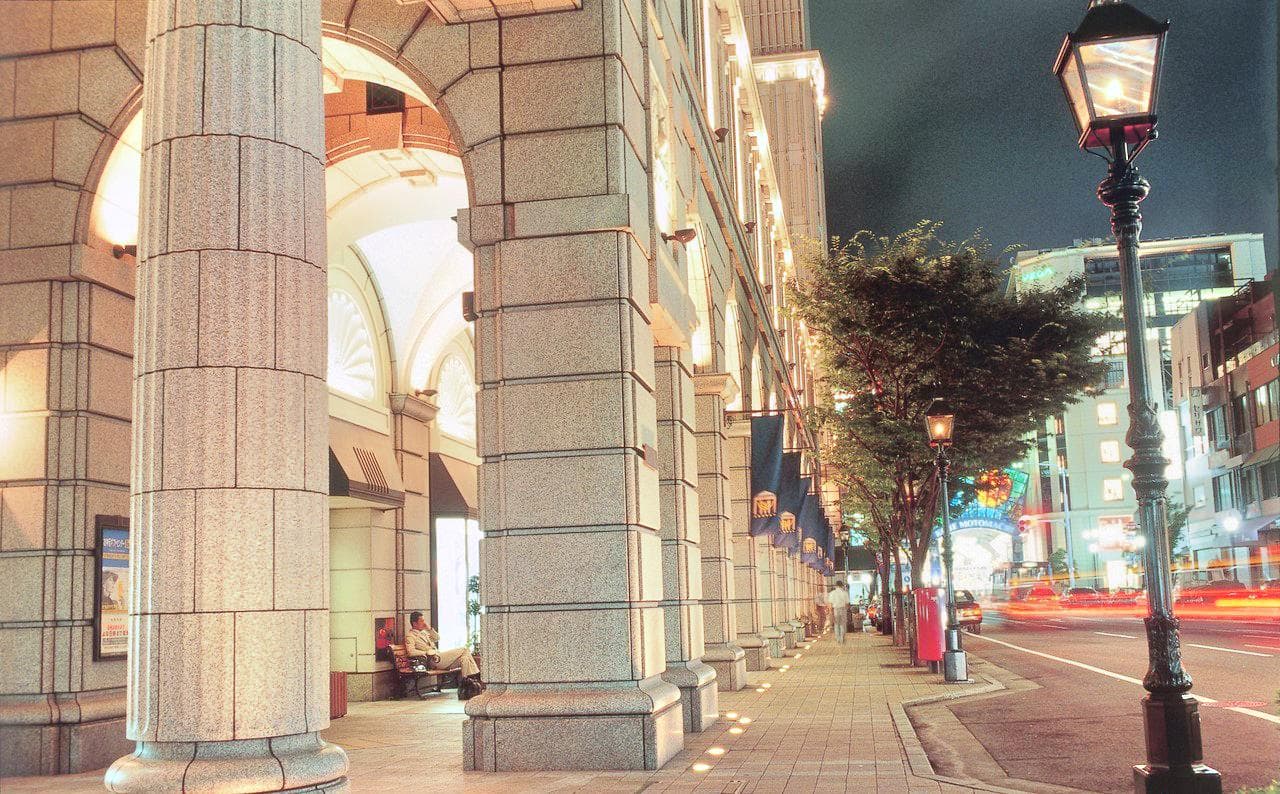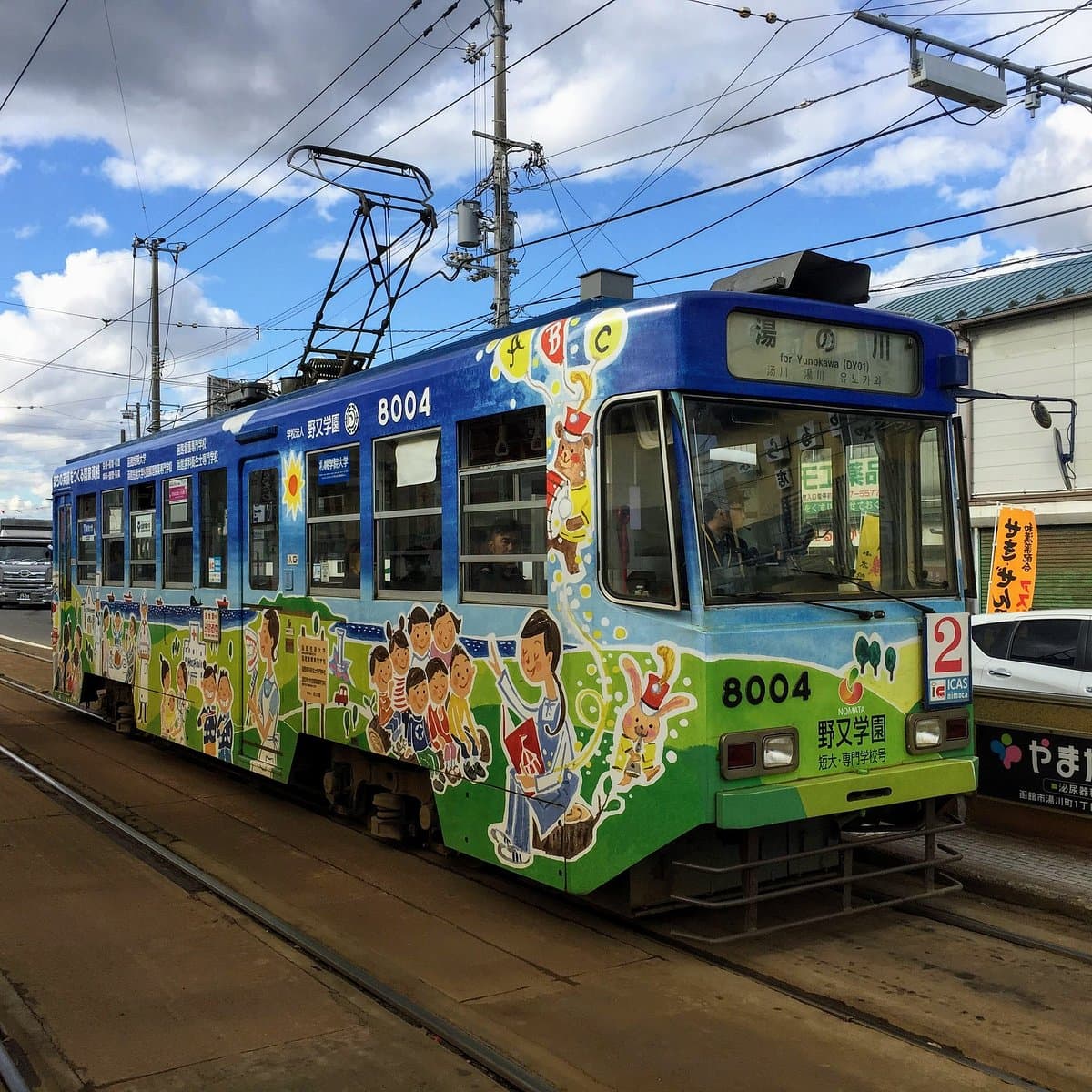
The Hakodate Tram is more than just a public transport system; it's an integral part of the city's character and a highly recommended way for tourists to navigate Hakodate. Running through the city's main arteries, it connects virtually all major sightseeing spots, including Yunokawa Onsen, Hakodate Station, Goryokaku Park, the Motomachi district, and the Kanemori Red Brick Warehouses. Its historical significance and the variety of tram cars, including some vintage models, add to its appeal, making the journey itself part of the Hakodate experience.
Visitors consistently praise the tram for its convenience, affordability, and the pleasant pace it offers for sightseeing. Many highlight the ease of reaching attractions without the need for a rental car, noting that the tram stops are strategically located near points of interest. The frequent service, typically every 6-15 minutes, and the cleanliness of the trams are also frequently mentioned positives. Reviewers often recommend purchasing a one-day pass for JPY 600, as it quickly pays for itself if you plan to make more than two or three trips. The ability to use IC cards like Suica, Kitaca, and other regional transit cards is also a significant convenience for many travelers.
For a smooth experience, visitors advise boarding the tram through the rear door and taking a numbered ticket if you don't have an IC card. When exiting, use the front door, check the fare displayed on the screen corresponding to your ticket number, and pay the exact amount into the fare box. Change machines are available for coins and 1000 yen notes. English announcements and digital displays at stops and inside the tram make navigation straightforward for international visitors. Consider riding during off-peak hours to avoid potential crowding, though most reviewers found the trams manageable even when busy.
The Hakodate Tram is easily accessible from Hakodate Station, where you can catch trams heading towards Yunokawa Onsen or other destinations. The tram network covers the core tourist areas, and many stops are within a short walking distance of major attractions. For example, Chuobyoin-mae is a 10-minute walk to Goryokaku Tower. Driving is generally not recommended within the city center due to the tram's efficiency and the convenience of its routes. Parking can also be challenging and expensive near popular spots.
While generally positive, some visitors note that the tram can be slow, especially compared to buses, due to frequent stops and traffic lights. In winter, windows can sometimes fog up, obstructing views. To mitigate this, consider riding on clear days or during warmer seasons for the best scenic experience. Despite the slower pace, many find it an enjoyable way to absorb the city's atmosphere. If you're in a hurry for a specific destination, cross-referencing with bus routes might be beneficial, but for general sightseeing, the tram remains the preferred choice.