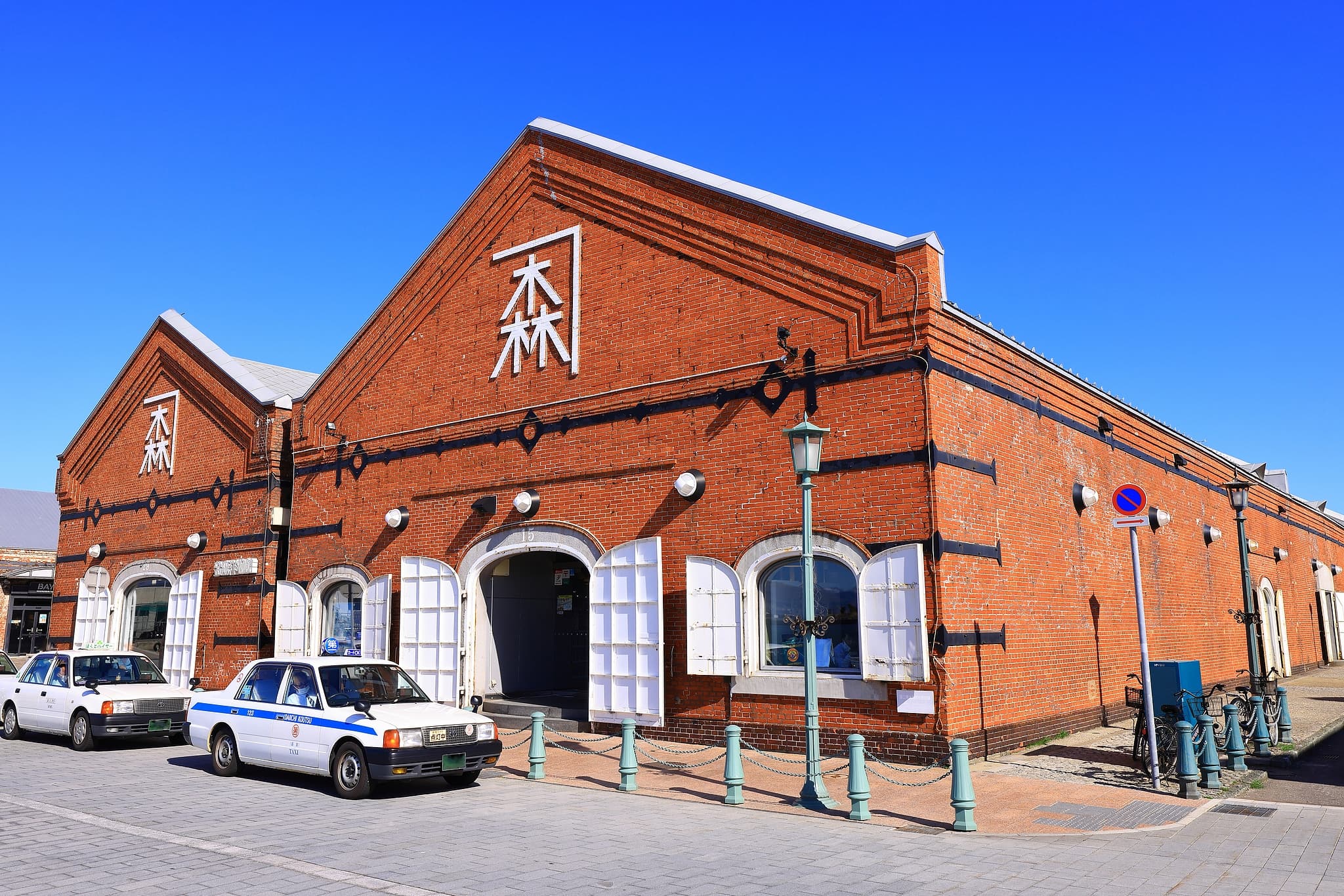
The Kanemori Red Brick Warehouse district stands as a prominent symbol of Hakodate Port's historical significance as one of Japan's first international trade ports. Dating back to 1887, these beautifully preserved red brick structures, originally used for warehousing, now serve as a vibrant commercial and cultural hub. They offer a tangible link to Hakodate's Meiji-era prosperity and its role in global commerce, making them a key landmark for understanding the city's past.
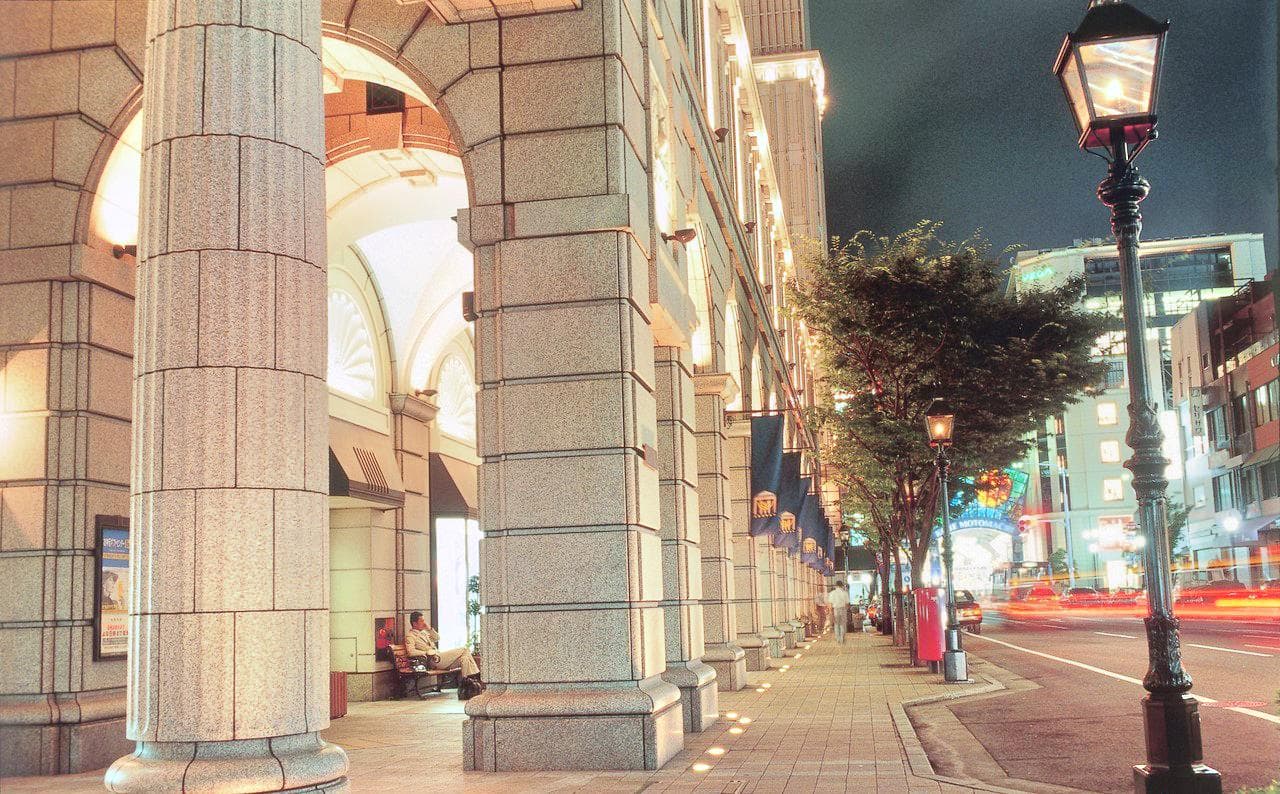
Visitors consistently praise the warehouses for their unique architectural charm and the pleasant atmosphere they create, especially in the evening when the buildings are illuminated. Many reviewers highlight the area as an excellent spot for photography, with the red bricks and waterfront views providing a picturesque backdrop. The transformation into a shopping and dining complex is also a major draw, with numerous boutiques, souvenir shops, cafes, and restaurants offering local specialties and unique goods. Reviewers often mention enjoying the variety of shops, from those selling groceries and ice cream to more specialized stores like a music box museum.
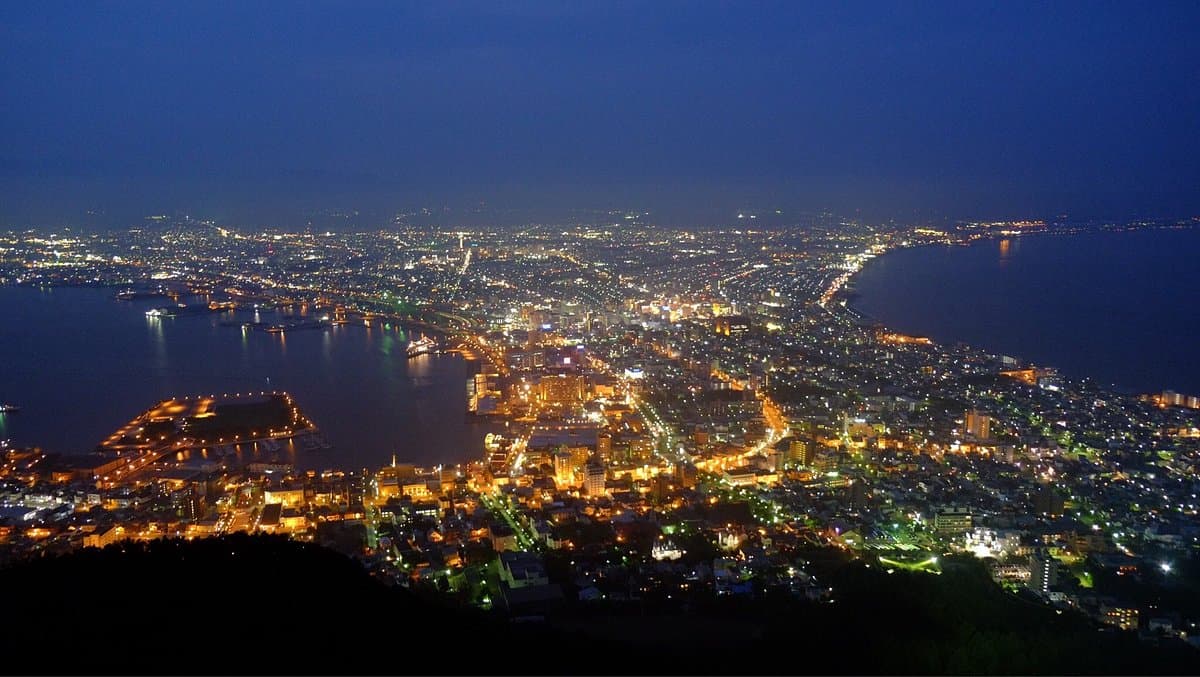
For a fulfilling visit, allocate 1 to 3 hours to explore the various shops and enjoy a meal or snack. Many visitors recommend coming in the late afternoon to experience both the daytime ambiance and the illuminated night view. Be prepared for strong winds, especially near the waterfront, as several reviewers note it can be quite blustery. Dressing in layers is advisable. While the area is primarily for shopping and dining, it's also a great place for a leisurely stroll. If you're short on time, a quick half-hour visit is sufficient to 'check in' and appreciate the architecture before moving on to other attractions like Mount Hakodate.
The Kanemori Red Brick Warehouse is conveniently located in the Hakodate Bay area. To get there, take the tram to the "Jujigai" (十字街) station. From there, it's approximately a 5-minute walk to the warehouses. This makes it easily accessible via public transportation, which is a common and efficient way to navigate Hakodate. The area is also well-integrated with other nearby attractions, allowing for easy transitions between sites.
While generally well-received, some visitors find the commercial offerings inside the warehouses to be somewhat generic, consisting of typical souvenir shops. To mitigate this, focus on the historical architecture and the overall atmosphere rather than solely on the shopping. Also, be aware that stores in Hokkaido, including those here, tend to close relatively early, often by 7:00 PM, so plan your visit accordingly if you intend to shop extensively.