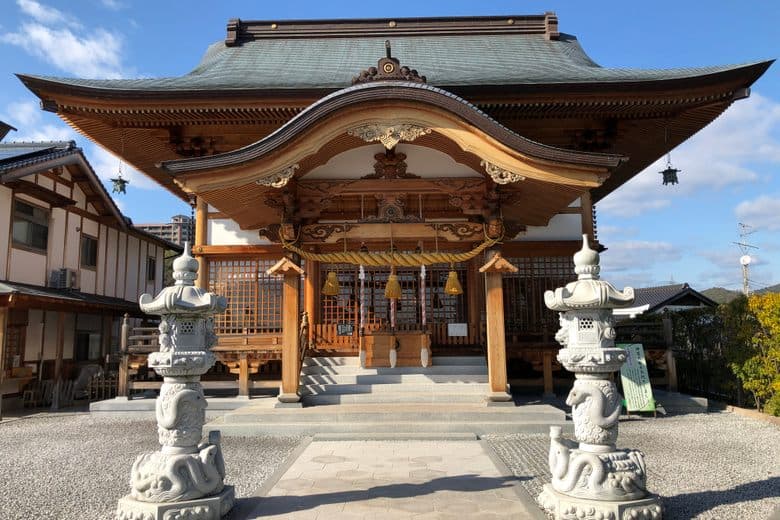
The Iwakuni Shirohebi Shrine is a unique spiritual site established in 2012 to honor the sacred white snakes of Iwakuni and the goddess Benzaiten. These albino Japanese rat snakes, known as 'shirohebi,' have been revered in the region since ancient times, believed to bring fortune and act as water deities. Their presence in Iwakuni is particularly notable due to a naturally occurring high concentration of albinism within the local snake population, leading to their designation as a Natural Monument.
Visitors consistently praise the opportunity to see the rare white snakes up close in their enclosures, often noting their striking ruby eyes. Many find the experience educational, offering insight into a lesser-known aspect of Japanese folklore and conservation. The shrine's small gift shop is also a highlight for those seeking unique souvenirs, particularly the lucky charms and stuffed animals, some of which are said to contain real shed snake skin for good fortune. While the shrine itself is not architecturally grand, its focus on the living sacred animals provides a memorable and distinct experience.
To make the most of your visit, plan to spend about an hour observing the snakes and browsing the gift shop. The shrine is generally not crowded, allowing for a peaceful experience. Consider combining your visit with the Iwakuni Shirohebi Museum in Kikkō Park, located across town near the Kintai Bridge, for a more comprehensive understanding of these unique creatures. The museum also offers viewing facilities and further information on their conservation.
The Iwakuni Shirohebi Shrine is accessible from Iwakuni Station. It's approximately a 20-minute walk or a 10-minute bus ride from the station. For those heading to Kikkō Park and the Iwakuni Shirohebi Museum, the Kintaikyo bus stop is a five-minute walk from the park, about 15 minutes from the Iwakuni Station bus stop. Public transport is a convenient option for reaching both locations.
A common point to note is that the shrine itself is modest in size and architectural design compared to larger, more famous temples. Visitors expecting a grand, ornate shrine might find it understated. However, its primary appeal lies in the live snake exhibits and the cultural significance, which are well-received. Managing expectations regarding the shrine's physical grandeur will enhance the appreciation for its unique focus.