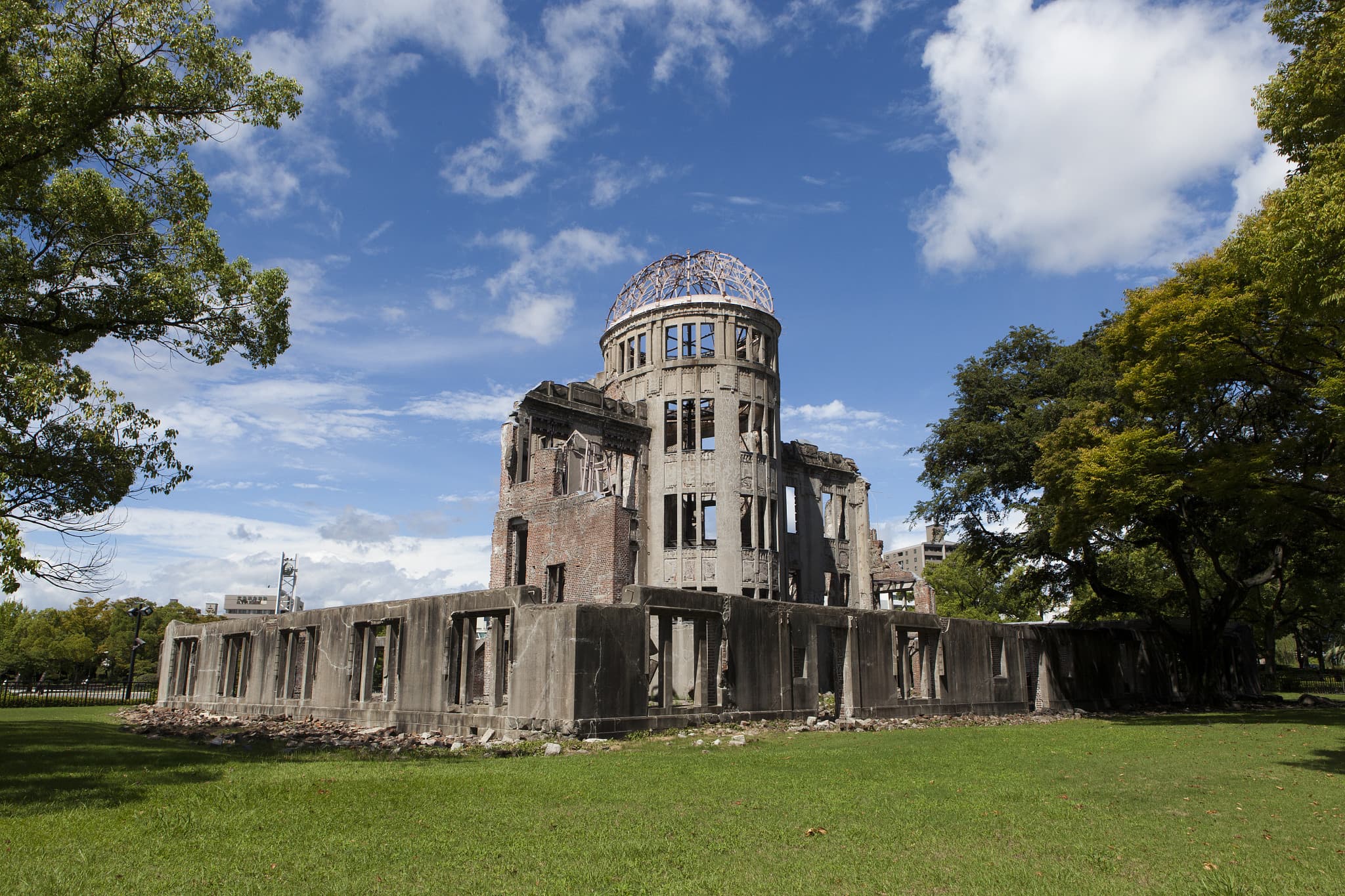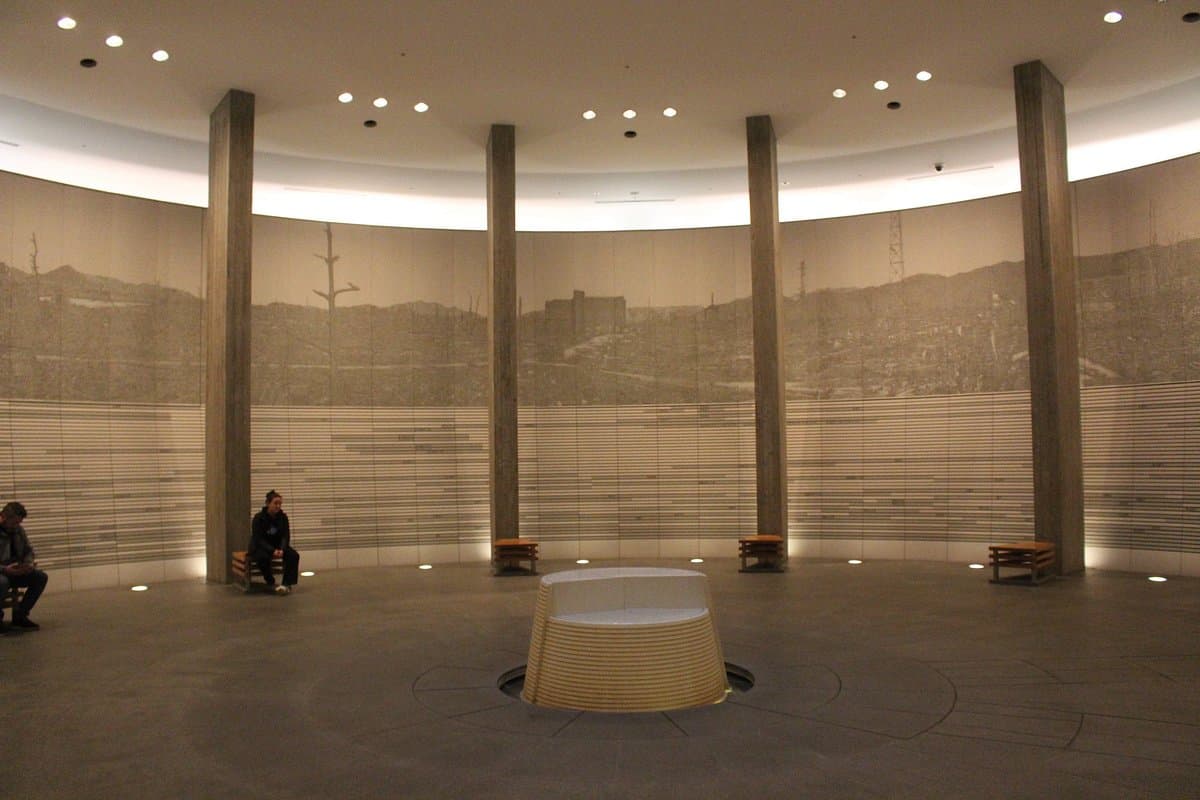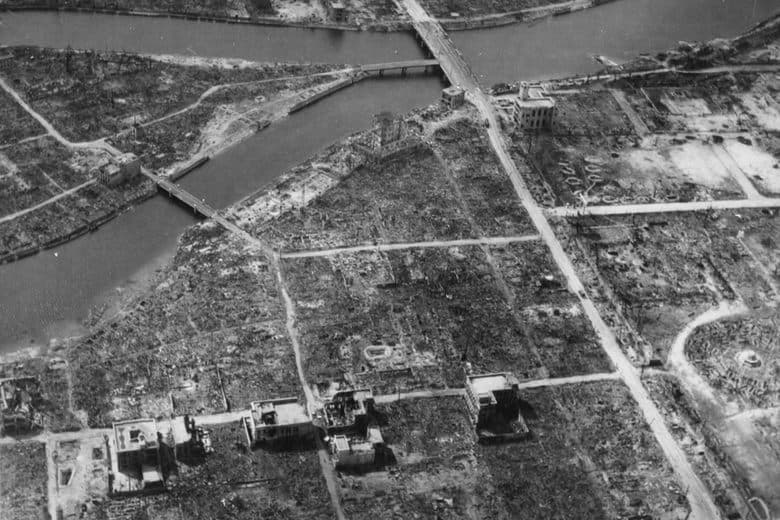
The Hiroshima Hypocenter marks the precise point directly beneath where the atomic bomb, 'Little Boy,' detonated on August 6, 1945. While not a grand monument, this quiet spot on a side street serves as a profound reminder of the event, offering a stark contrast to the surrounding rebuilt city. It's a crucial site for understanding the scale and immediacy of the devastation, complementing visits to the nearby A-Bomb Dome and Peace Memorial Park.
Visitors consistently describe the Hypocenter as a moving and sobering experience, often noting its simplicity and the quiet reverence it inspires. Many appreciate that it's a less crowded, more intimate spot compared to the main memorials, allowing for personal reflection. Reviewers frequently mention leaving flowers or paper cranes, highlighting the site's role as a place of remembrance. The proximity to other key historical landmarks is also a common positive, as it allows for a comprehensive understanding of the bombing's impact within a short walking distance.
To make the most of your visit, allocate about 15-30 minutes for quiet contemplation. The site is best visited in conjunction with the A-Bomb Dome and Peace Memorial Park, ideally in the morning or late afternoon to avoid larger crowds. There are no facilities directly at the Hypocenter, so bring water if needed. While there's no entry fee, visitors often bring small offerings like flowers or paper cranes as a gesture of respect. The site is outdoors and accessible year-round.
The Hypocenter is conveniently located less than a five-minute walk from the A-Bomb Dome. To reach the A-Bomb Dome, take the Hiroshima Electric Railway (Hiroden) tram line 2 or 6 to the Genbaku Dome-mae (A-Bomb Dome) station. From there, simply follow the signs or use a map to locate the Hypocenter on a nearby side street. The area is flat and easily walkable, making it accessible for most visitors. Public parking is available in the vicinity of the Peace Memorial Park, though taking public transport is generally recommended.
A common observation is that the Hypocenter can be easily missed due to its understated nature. Visitors recommend looking for the specific plaque and taking time to locate it, as it's not as visually prominent as other memorials. Some express disappointment if they expect a larger monument, so it's important to approach it with the understanding that its power lies in its quiet significance rather than grandiosity.