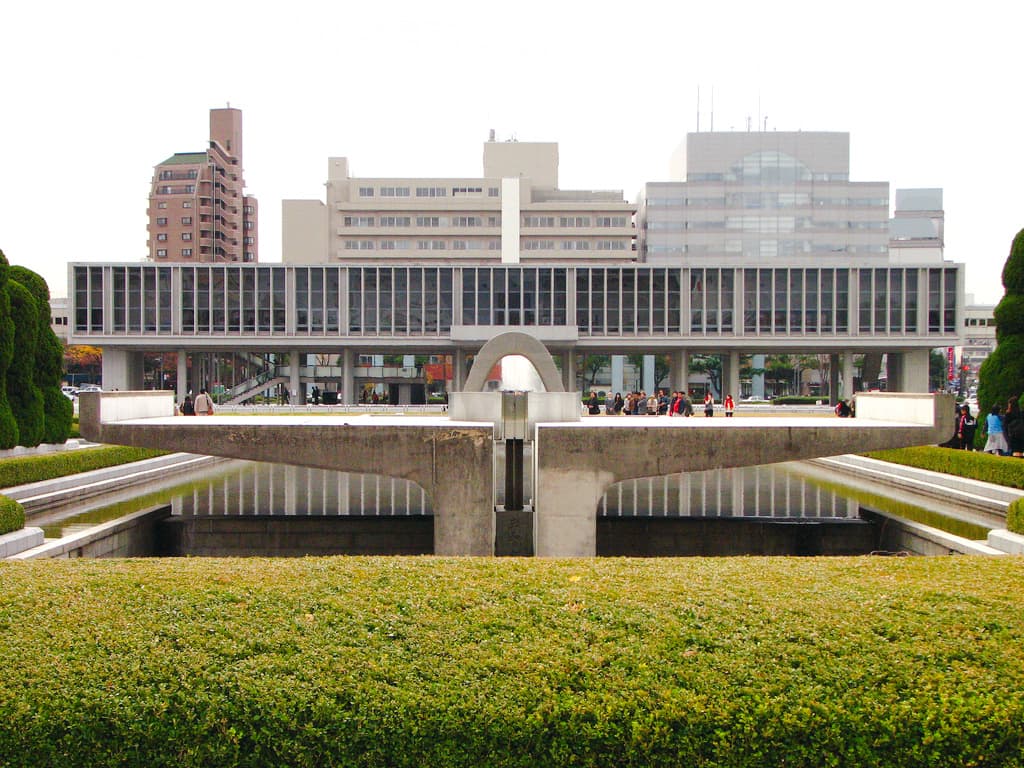
The Hiroshima National Peace Memorial Hall for the Atomic Bomb Victims stands as a poignant tribute to the 140,000 individuals who perished in the atomic bombing of August 6, 1945, and its aftermath. Unlike the more extensive Hiroshima Peace Memorial Museum, this hall focuses intensely on individual stories and collective remembrance, offering a space for quiet contemplation rather than a comprehensive historical overview. Its unique design and solemn atmosphere make it an essential part of understanding the human impact of the tragedy.
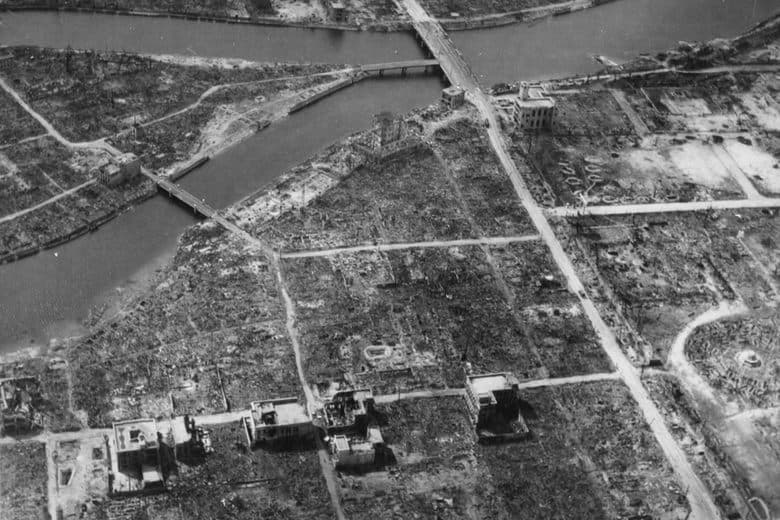
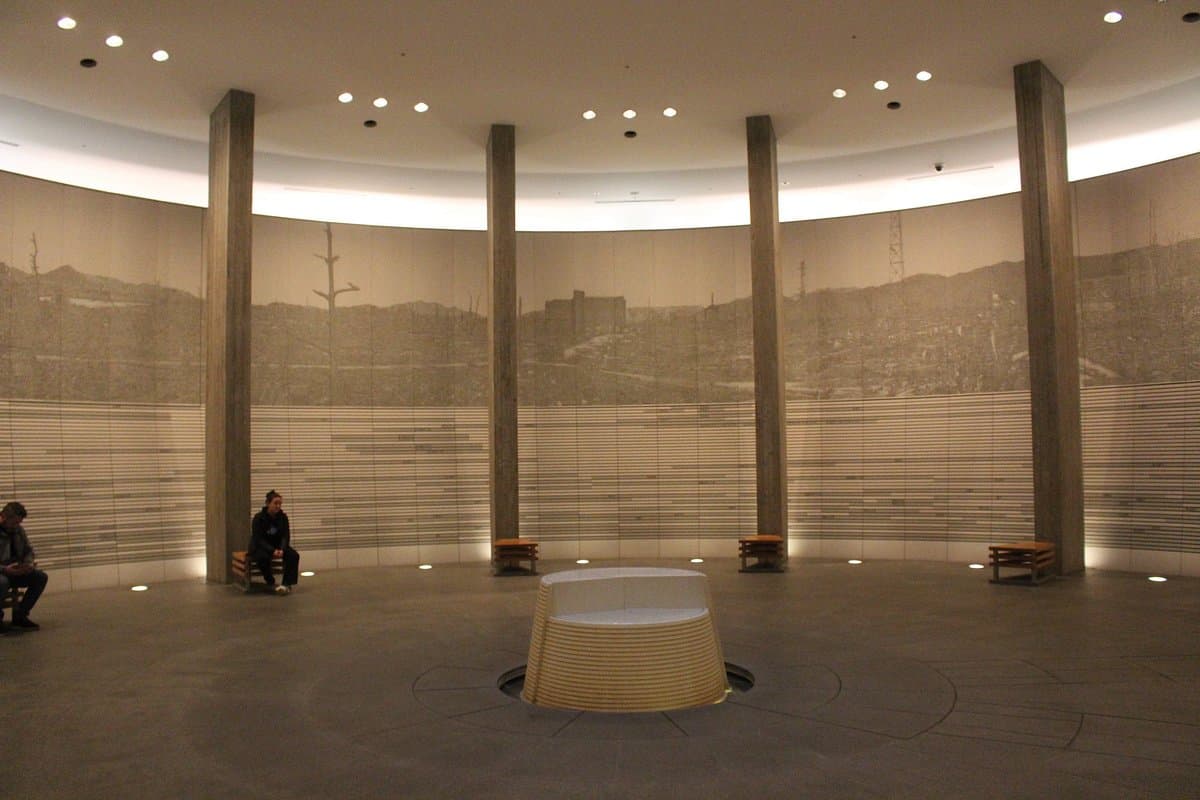
Visitors consistently praise the hall for its serene and respectful atmosphere, often describing it as a "haven of peace" after the more crowded main museum. Many find the experience deeply moving, with some reviewers mentioning they were brought to tears by the personal testimonies and the sheer scale of the tragedy represented. The central Hall of Remembrance, with its 140,000 tiles forming a panoramic view of post-bomb Hiroshima and a tranquil water feature, is frequently highlighted as particularly impactful. The ability to search for victims' names in a database and watch survivor testimonies further personalizes the experience, making the abstract numbers feel tangible. Reviewers note that it is often less crowded than the main museum, allowing for more personal reflection.
To make the most of your visit, allocate at least 30 minutes to an hour, though some visitors spend longer watching videos and reflecting. It is recommended to visit after the main Peace Memorial Museum to provide context, but before other attractions in the park, as it tends to close earlier. Bring tissues, as many find the experience emotionally overwhelming. The hall is free to enter, making it an accessible and invaluable part of the Peace Memorial Park. While there are few exhibits in the traditional sense, the focus on remembrance and personal stories offers a different, yet equally powerful, perspective.
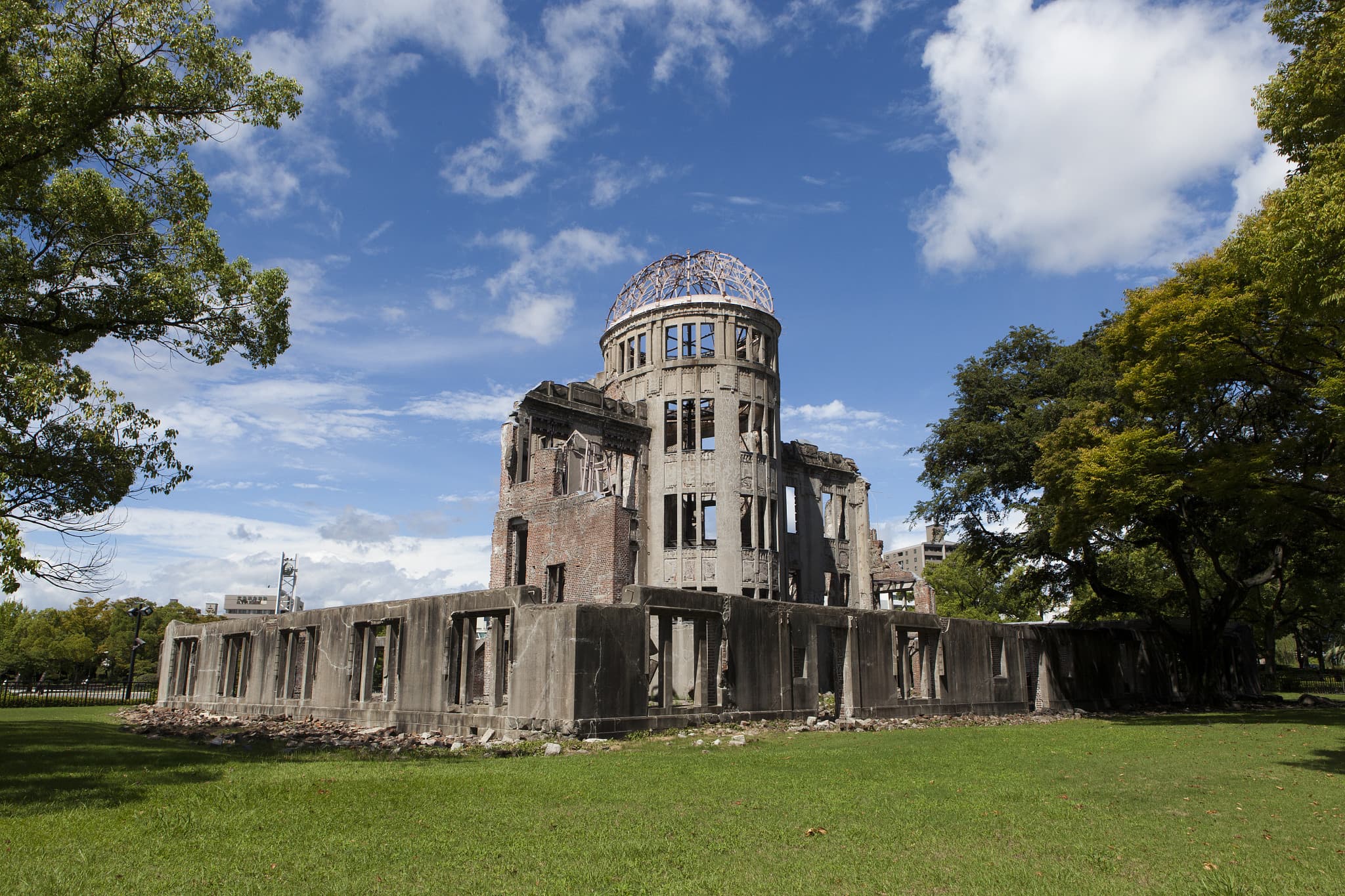
The Memorial Hall is conveniently located within the Hiroshima Peace Memorial Park, near the Atomic Bomb Dome and the main Peace Memorial Museum. It is easily accessible by public transport. From Hiroshima Station, you can take tram lines 2 or 6 to the Genbaku Dome-mae (Atomic Bomb Dome) stop, which is a short walk to the park entrance. Alternatively, numerous bus routes also serve the Peace Park area. For those driving, parking is available in nearby paid lots, though public transport is generally recommended due to traffic and parking availability. The hall itself is accessible via an elevator, making it suitable for all visitors.
A common complaint, though infrequent, relates to the emotional intensity of the visit. Some visitors find the experience overwhelmingly sad. To mitigate this, it is advisable to prepare emotionally for the solemn nature of the site. Taking breaks, utilizing the quiet contemplation spaces, and allowing yourself time to process the information can help. While one isolated review mentioned a dirty restroom and an unprofessional security officer, these appear to be rare occurrences and not representative of the overall visitor experience.