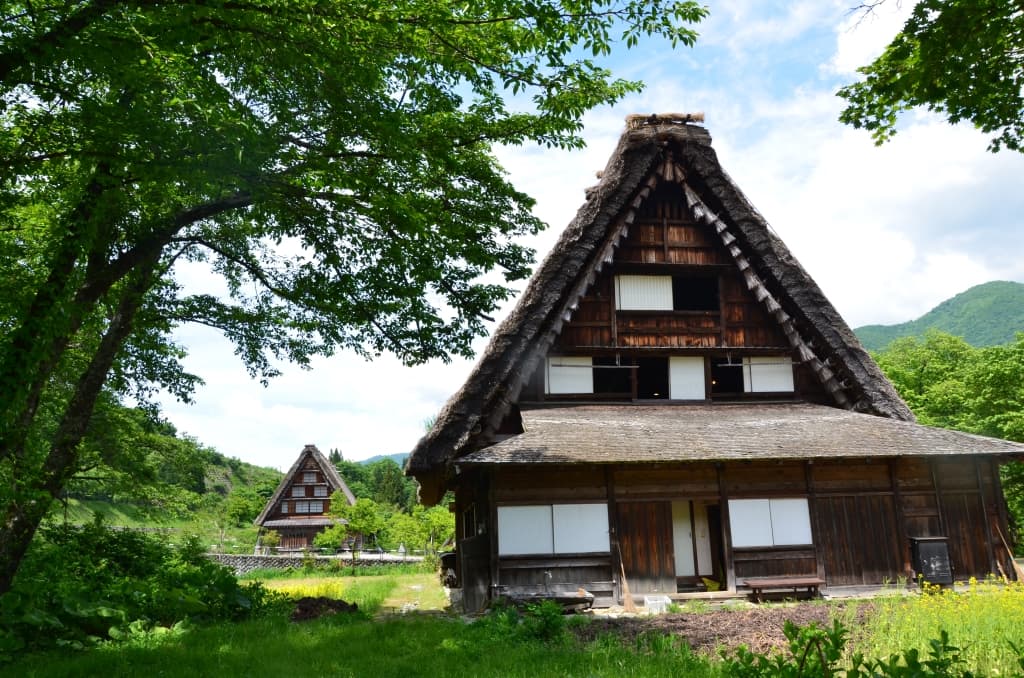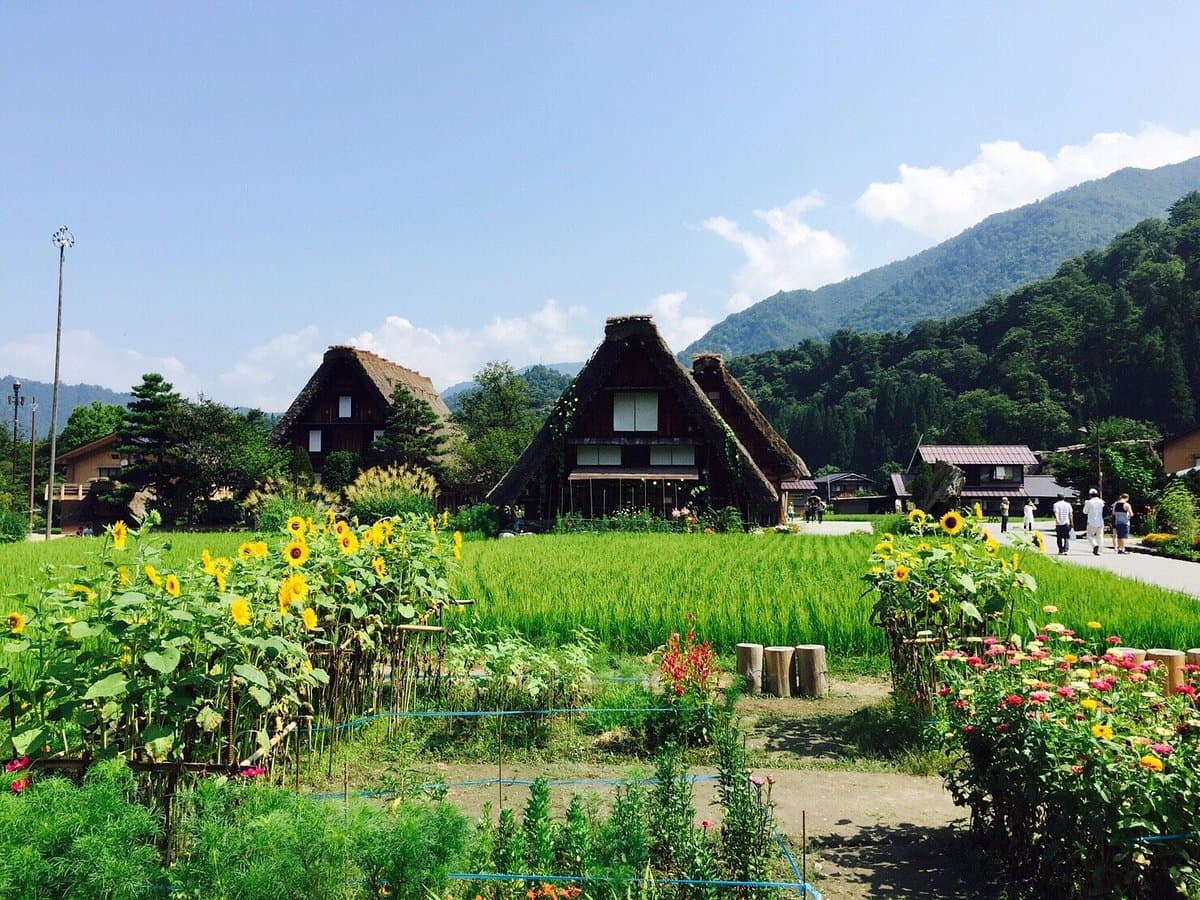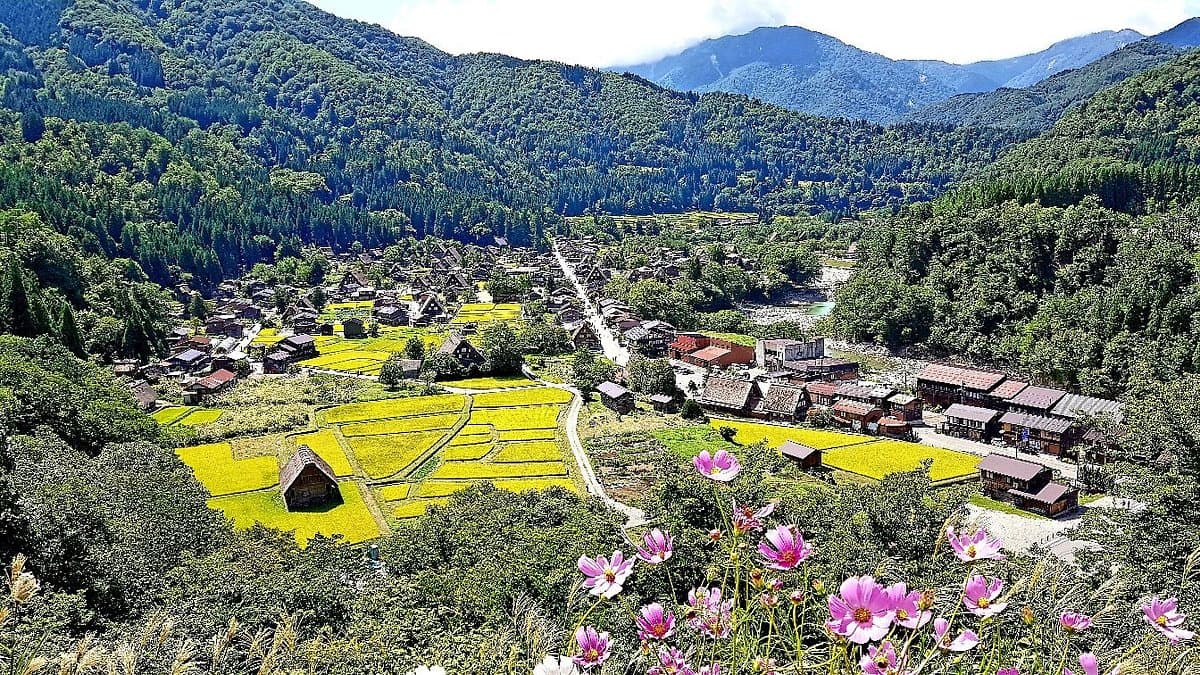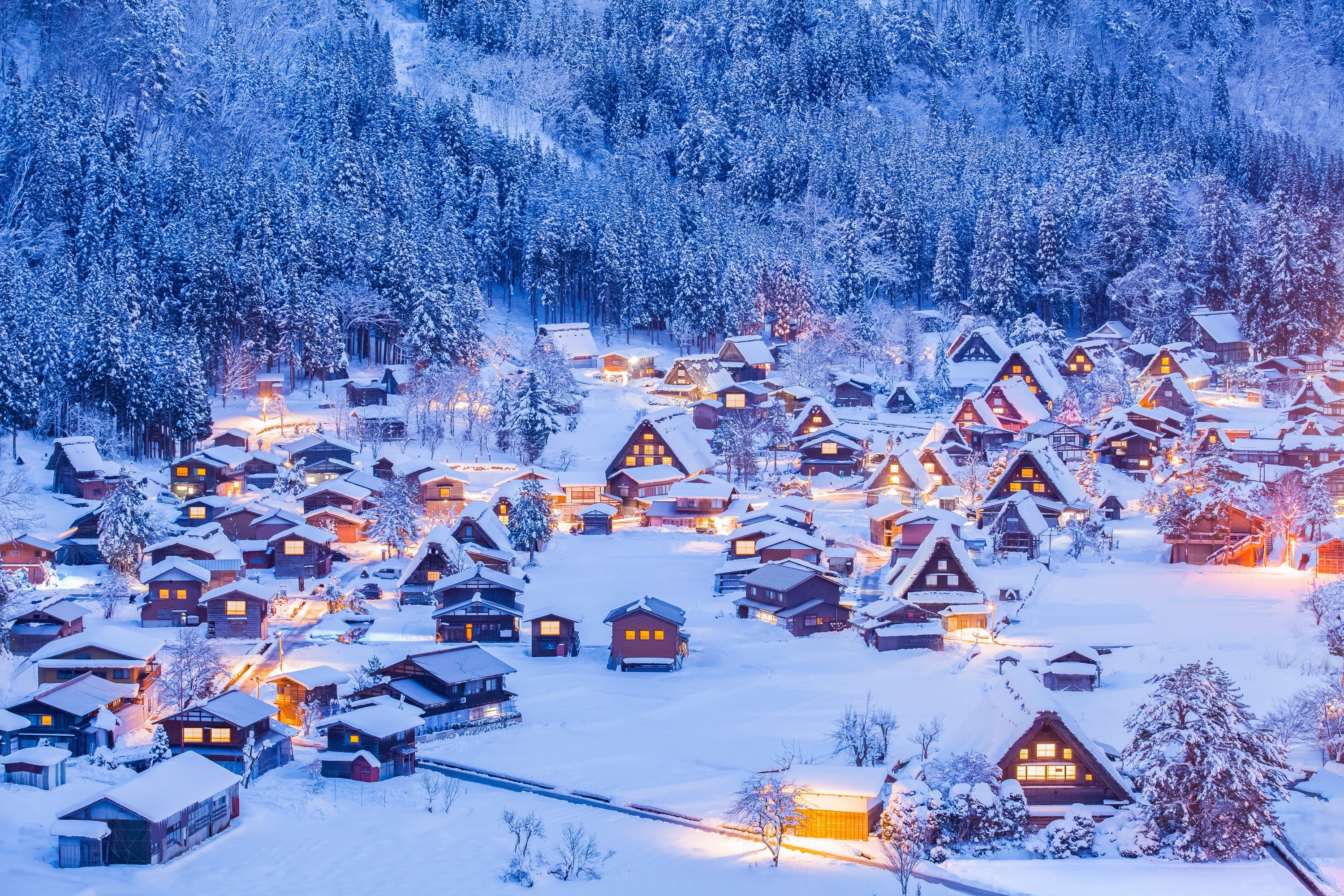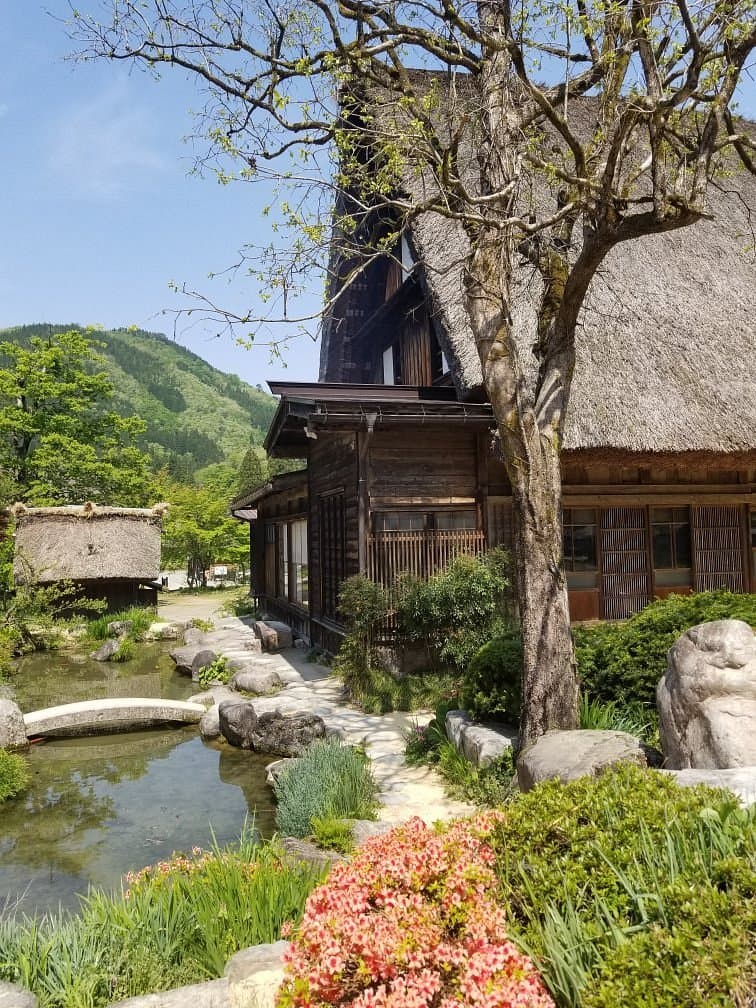
Shirakawago Gassho Zukuri Minkaen is an open-air museum located across the river from the main Shirakawa-go village. It features 25 relocated gassho-zukuri style houses, offering visitors a detailed look into the traditional architecture and lifestyle of the region. Unlike the bustling main village, this museum provides a quieter, more contemplative environment to explore these unique thatched-roof farmhouses, many of which are open for interior viewing.
Visitors consistently praise the museum for its peaceful atmosphere and the opportunity to explore the houses without large crowds. Many appreciate the chance to go inside several buildings, gaining insight into their construction and the daily lives of their former inhabitants. Reviewers often highlight the excellent value for money compared to individual house entries in the main village, as the admission fee covers access to all open houses within the museum. The logistical layout of the buildings, designed to maximize temperature and space utilization, is also frequently noted as fascinating.
For a fulfilling visit, allocate at least 1.5 to 2 hours to fully explore the museum. It's particularly recommended to visit in the morning or late afternoon to avoid any potential crowds, though many reviewers note it's generally less busy than the main village. Bringing warm clothing is advisable, especially during winter, as the area can be very cold, with some visitors mentioning the comfort of warm mochi-iri zenzai available inside one of the residences. While an audio guide is available, some visitors reported issues with poor Wi-Fi connectivity for setup, so consider relying on the provided information within the houses.
The museum is conveniently located adjacent to the main parking lot for Shirakawa-go. To reach it, visitors typically cross a suspension bridge from the main village area. If arriving by bus from Kanazawa (approx. 1 hour 25 minutes) or Takayama (approx. 50 minutes), the museum is a short walk from the bus terminal. Many day tours include this museum as part of their itinerary. Driving is also an option, with parking available nearby.
A common complaint, though infrequent, relates to the limited English labeling in some areas. While this might slightly hinder understanding for non-Japanese speakers, the visual experience and the ability to enter the houses still provide significant value. Some visitors also confuse this museum with the entire Shirakawa-go village; it's important to understand that this is a dedicated open-air museum separate from the main residential and commercial area.