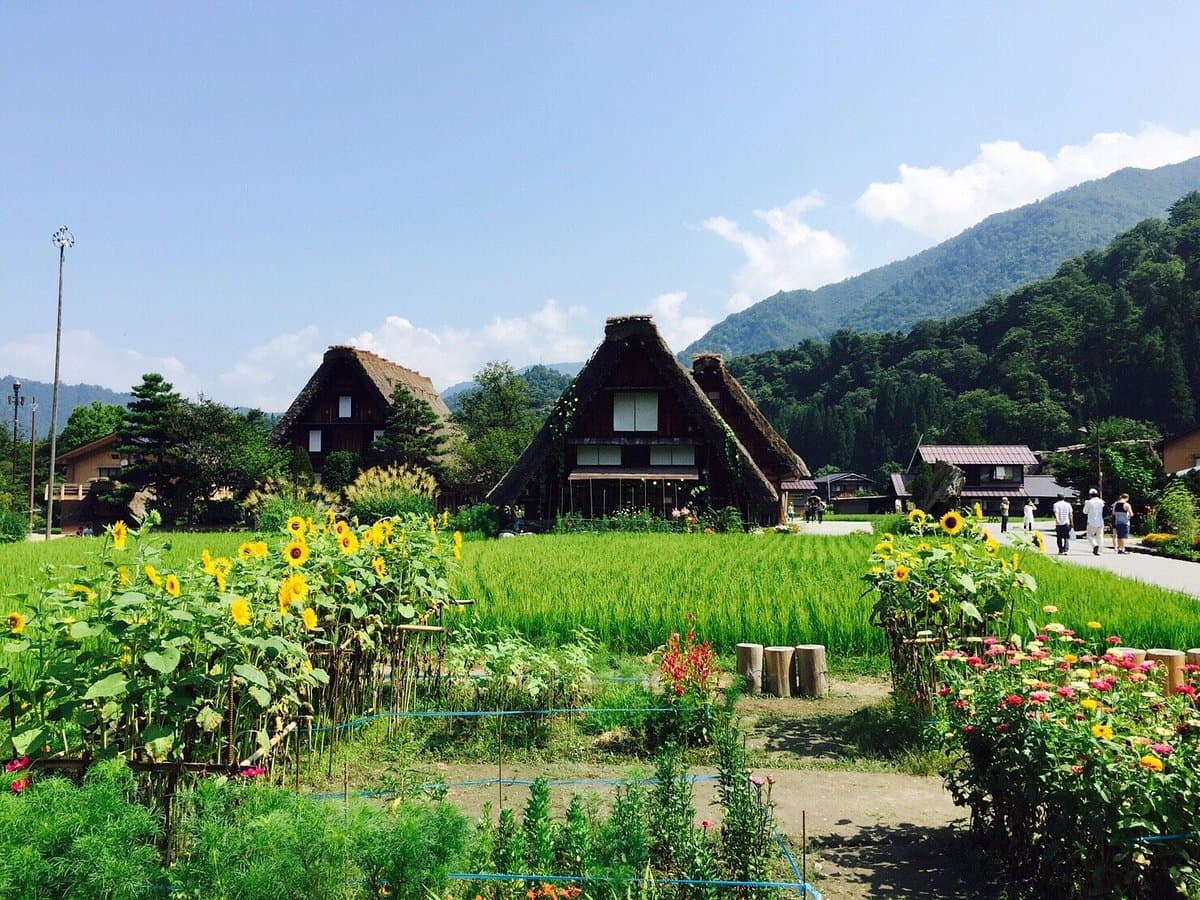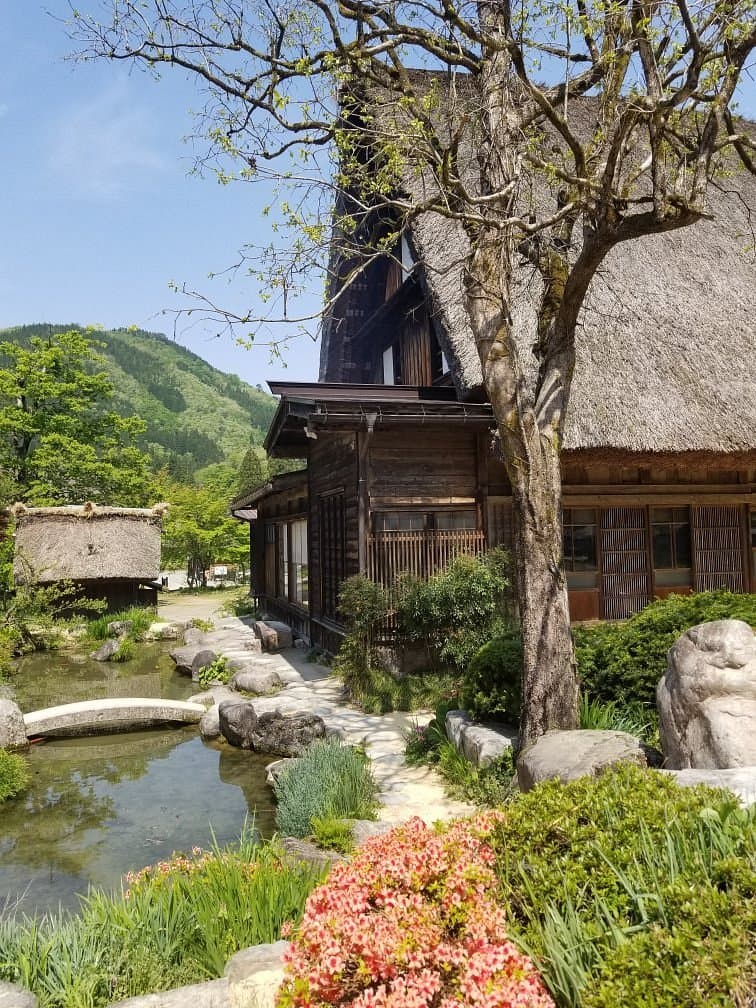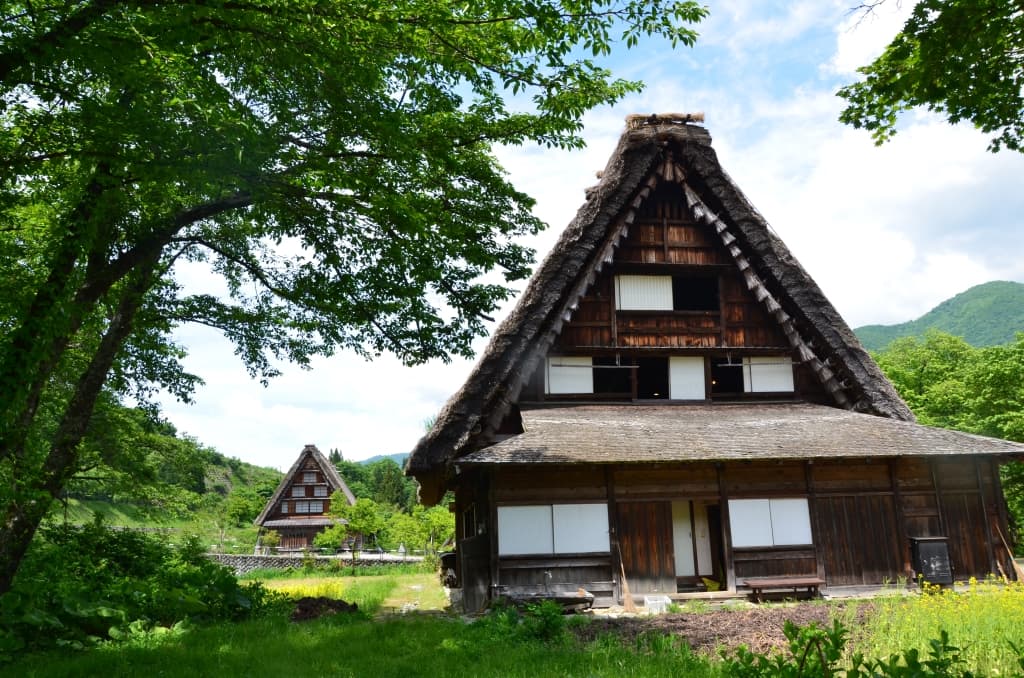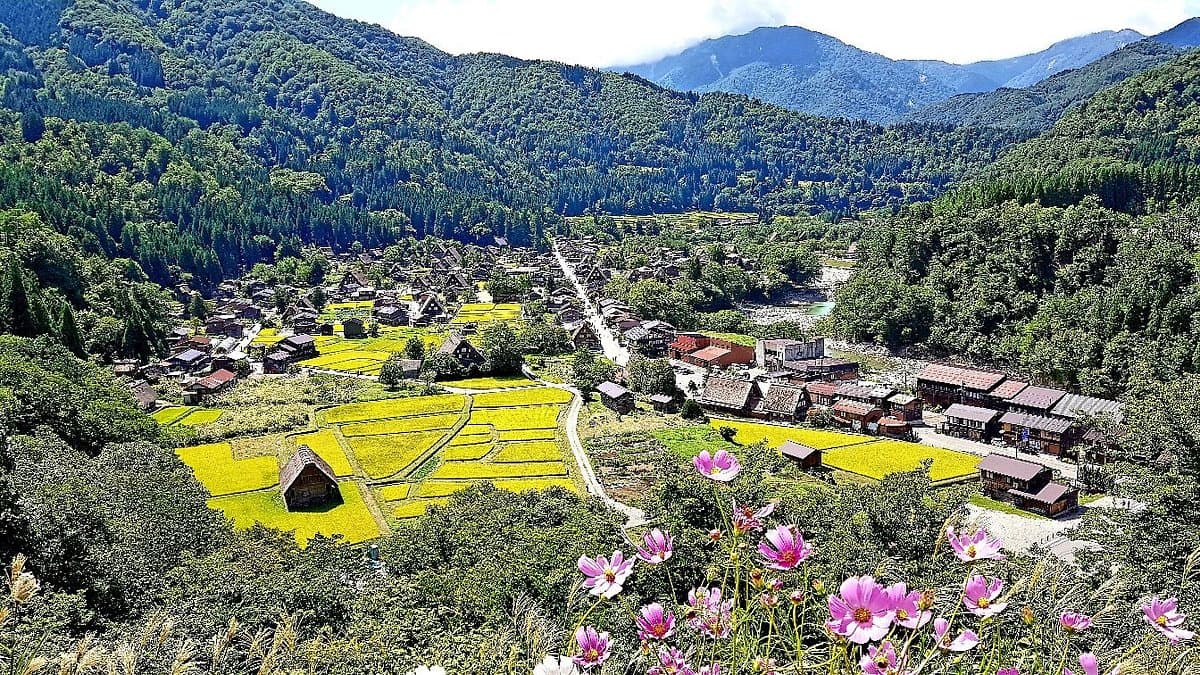
Shirakawago is a UNESCO World Heritage site celebrated for its traditional gassho-zukuri farmhouses, characterized by their steeply pitched, thatched roofs resembling hands clasped in prayer. This remote village in the Japanese Alps offers a rare glimpse into a centuries-old way of life, preserving unique architectural techniques and rural traditions. It stands as a testament to communal living and sustainable practices, where houses were built without nails and thatch was cultivated locally.
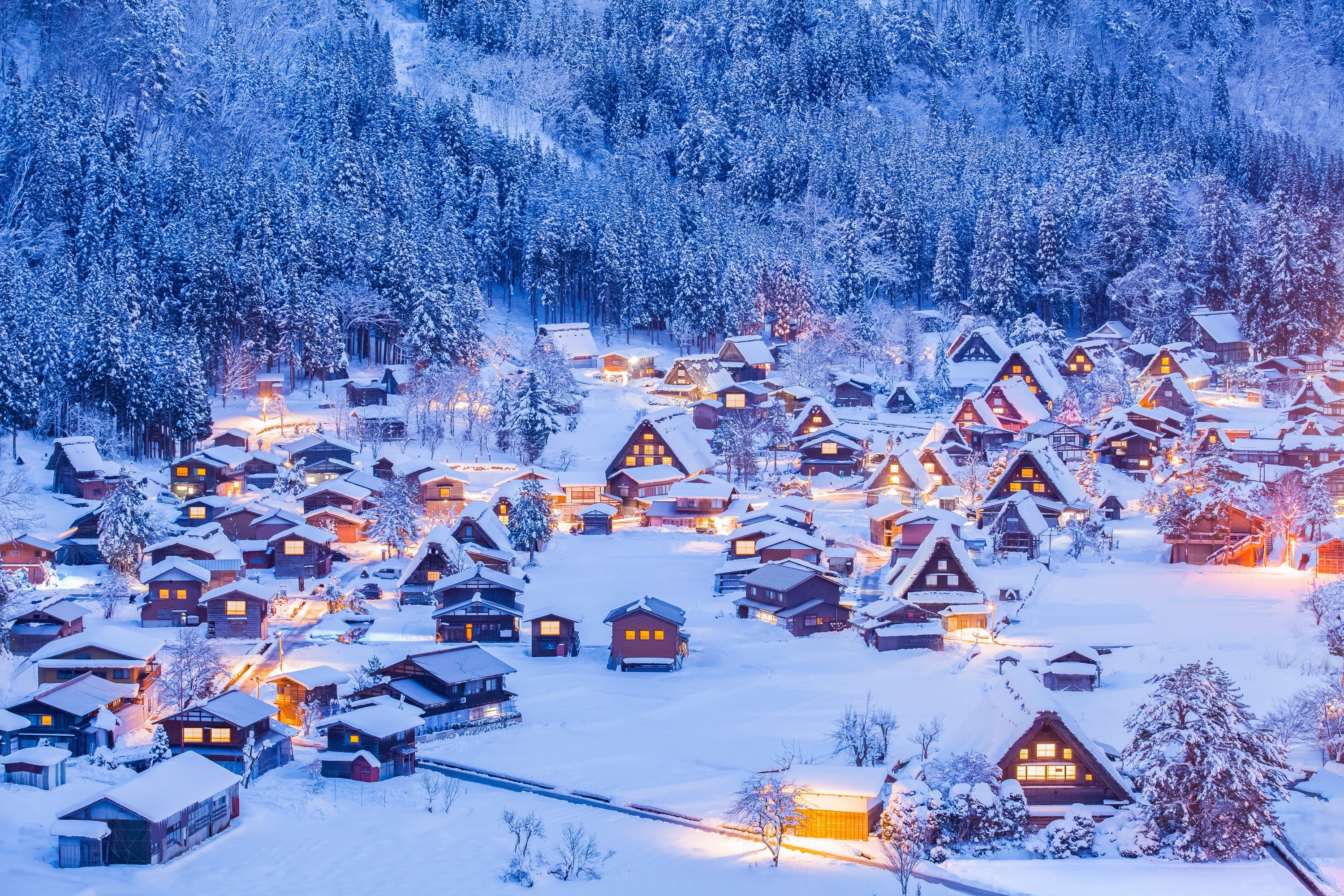
Visitors consistently praise the village's picturesque beauty, particularly in winter when the houses are covered in snow, creating a 'fairy tale' atmosphere. Many find the architecture fascinating, noting the intricate construction and the historical insights gained from exploring the interiors of open houses like Wada House. The serene natural setting, with rice fields, rivers, and surrounding mountains, also receives high marks. However, a recurring concern is the overwhelming number of tourists, especially during peak hours, which can detract from the peaceful ambiance. Some reviewers describe the village as 'overrated' or 'too touristy' due to the crowds and the prevalence of souvenir shops.
To make the most of your visit, arrive as early as possible, ideally before 9:00 AM, to avoid the busloads of tourists and experience the village in a more tranquil state. Many suggest spending 2-3 hours to explore thoroughly, including a visit to the observatory and one or two open houses. Consider visiting in winter for the iconic snow-covered views, but be prepared for cold weather and potentially crowded conditions. Bringing small denominations of yen (e.g., 100-yen coins) is useful for lockers at the bus station. While some houses offer entry for a fee (e.g., Wada House for 400 JPY), many visitors find simply walking around and enjoying the exterior views sufficient. Be mindful of residents' privacy; signs asking visitors to respect private property and not enter rice fields are common.
Shirakawago is best accessed by bus from nearby cities like Kanazawa (approximately 75 minutes) or Takayama (approximately 50 minutes). Nohi Bus is a common operator, and booking tickets in advance, especially for early morning departures, is highly recommended as seats sell out quickly. For those driving, parking is available, but arriving early is crucial to secure a spot, as queues can be long. The main parking lot is often near the Ai-bashi bridge, which leads to the village. From the village, a shuttle bus (300 JPY one way) or a 20-30 minute uphill walk leads to the observation deck, offering panoramic views of the gassho-zukuri houses.
The primary complaint revolves around the excessive crowds, particularly from large tour groups, which can diminish the sense of peace and authenticity. To mitigate this, as mentioned, arriving early is key. Another common issue is that many shops and attractions close by 5:00 PM, so plan your visit to ensure you have enough time before closing. Some visitors also note that the village can feel somewhat commercialized. To counter this, focus on the historical aspects and the natural beauty rather than just the souvenir shops.