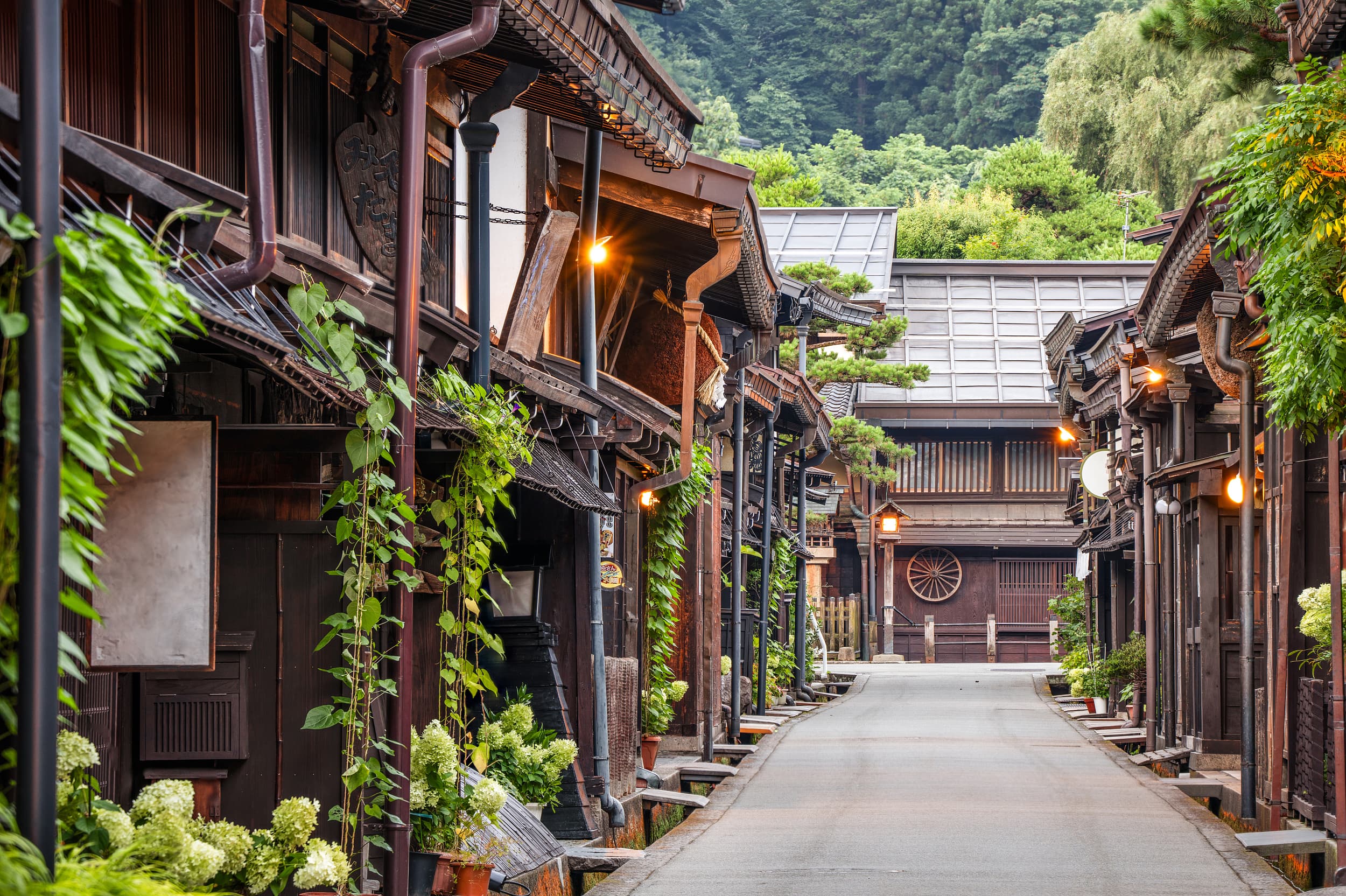
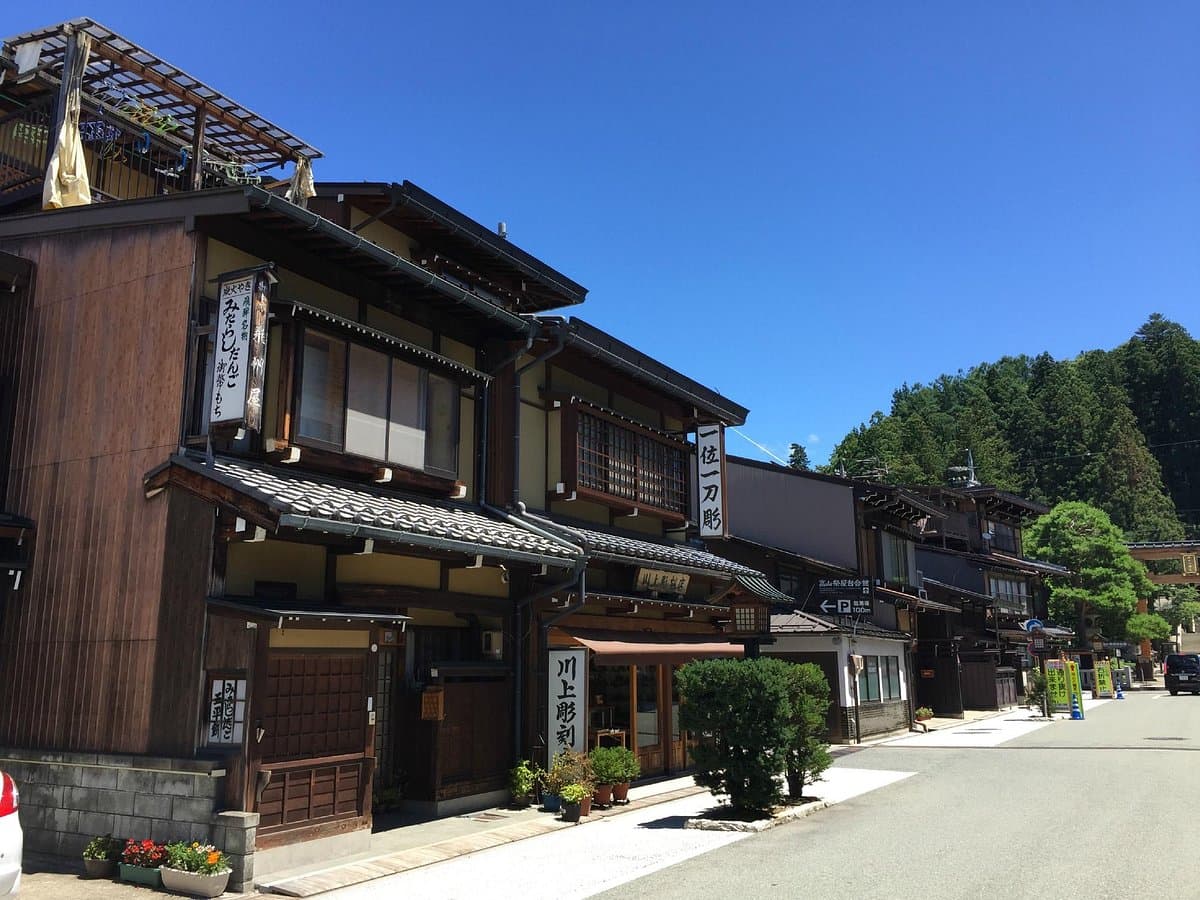
The Higashiyama Walking Course, meaning "eastern mountain" in Japanese, is a historical and scenic trail located on the eastern slopes of Takayama. This 5.5-kilometer route was established when Nagachika Kanamori, a feudal lord, ordered temples to be built or relocated to this area. It offers a unique glimpse into Japan's spiritual heritage and natural beauty, winding through a district rich with temples, shrines, and a tranquil cemetery.
Visitors consistently praise the course for its peaceful and uncrowded atmosphere, especially compared to more bustling tourist areas. Many reviewers highlight the stunning scenery, particularly during autumn with its vibrant fall colors, and the opportunity to see numerous picturesque temples and shrines. The walk is often described as a "must-do" for those seeking a genuine feel for old Japan and a chance to escape the main tourist routes. The presence of public toilets along the circuit is also a frequently mentioned convenience.
To make the most of your visit, plan for 1.5 to 2.5 hours, allowing extra time if you wish to explore individual temples or enjoy the views. Early mornings are often recommended for an even more tranquil experience. Wear comfortable walking shoes, as the path can be uneven, with some steep sections and steps, especially towards the castle ruins. While the course is generally well-marked, some visitors suggest having Google Maps handy as signage can occasionally be confusing. Consider bringing a bell, especially if venturing into the Shiroyama Park area, as bear warnings have been noted by several reviewers.
The Higashiyama Walking Course is easily accessible from central Takayama. Many visitors start near the morning markets or the Higashiyama Temple area. The course is within walking distance of most accommodations in Takayama. For those arriving by public transport, Takayama Station is the main hub, and the starting points of the course are a pleasant walk from there. There are no specific bus lines directly serving the entire course, as it is primarily a pedestrian route through the hills.
A common complaint among visitors is the occasional difficulty with signage, leading some to get lost or wander off the intended path. To mitigate this, it's advisable to download an offline map or use a reliable navigation app. Some also note that the "castle ruins" are not a grand structure but rather foundations and historical markers in a forest, which might disappoint those expecting a full castle. Additionally, while the temples are numerous, some reviewers found them less grand than those in larger cities like Kyoto. However, this contributes to the course's charm of offering a more authentic and less commercialized experience.