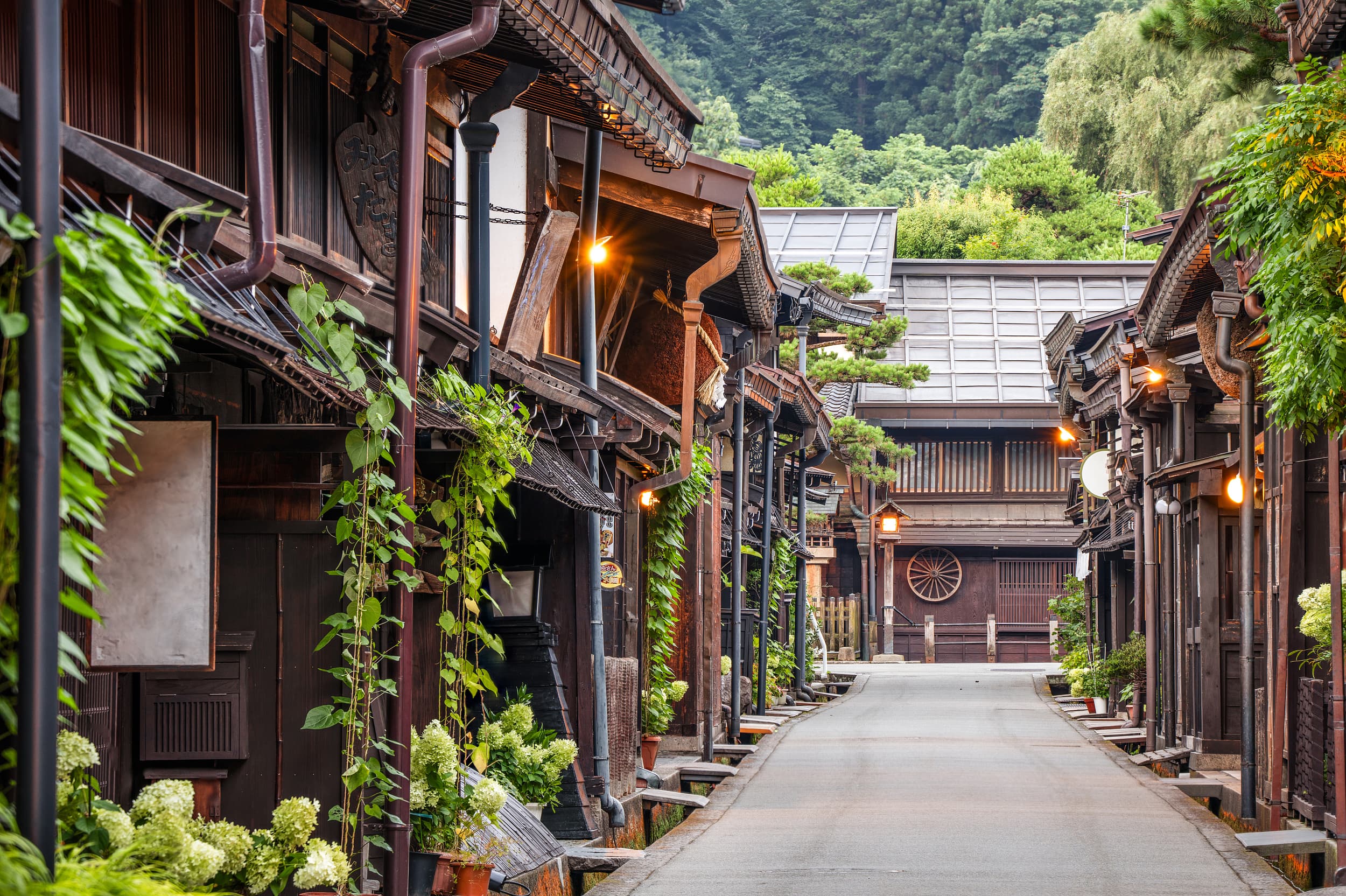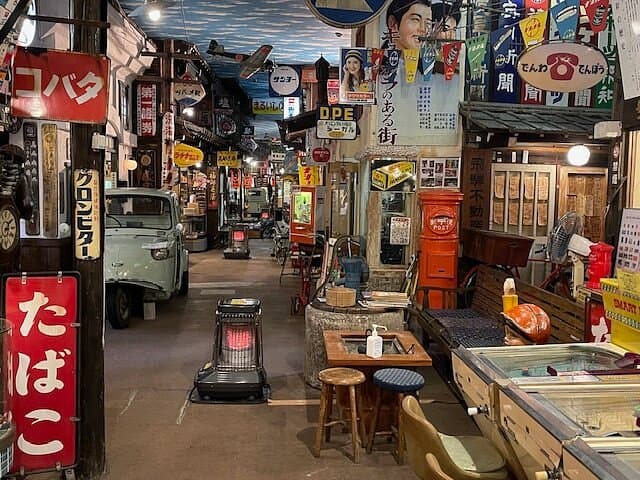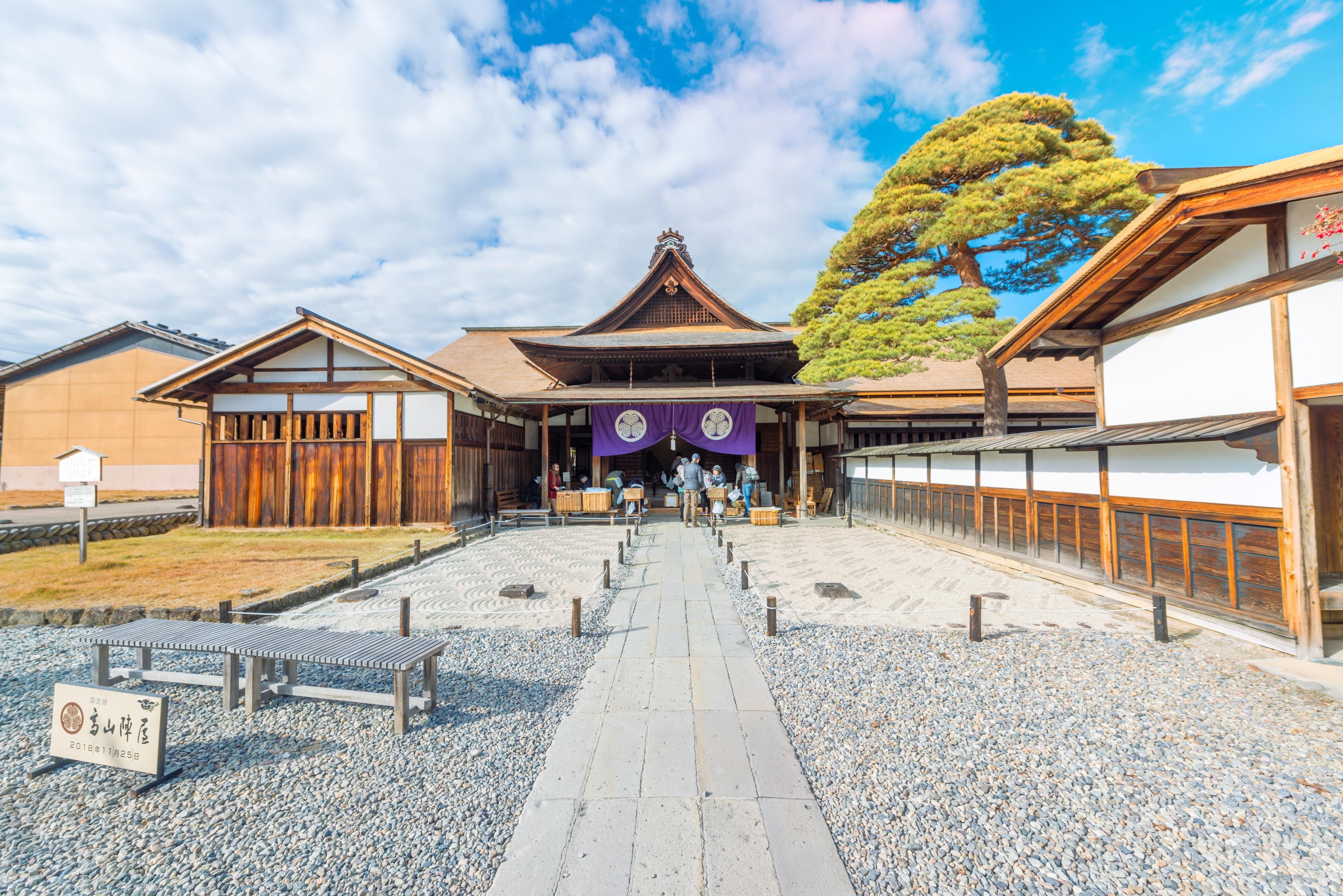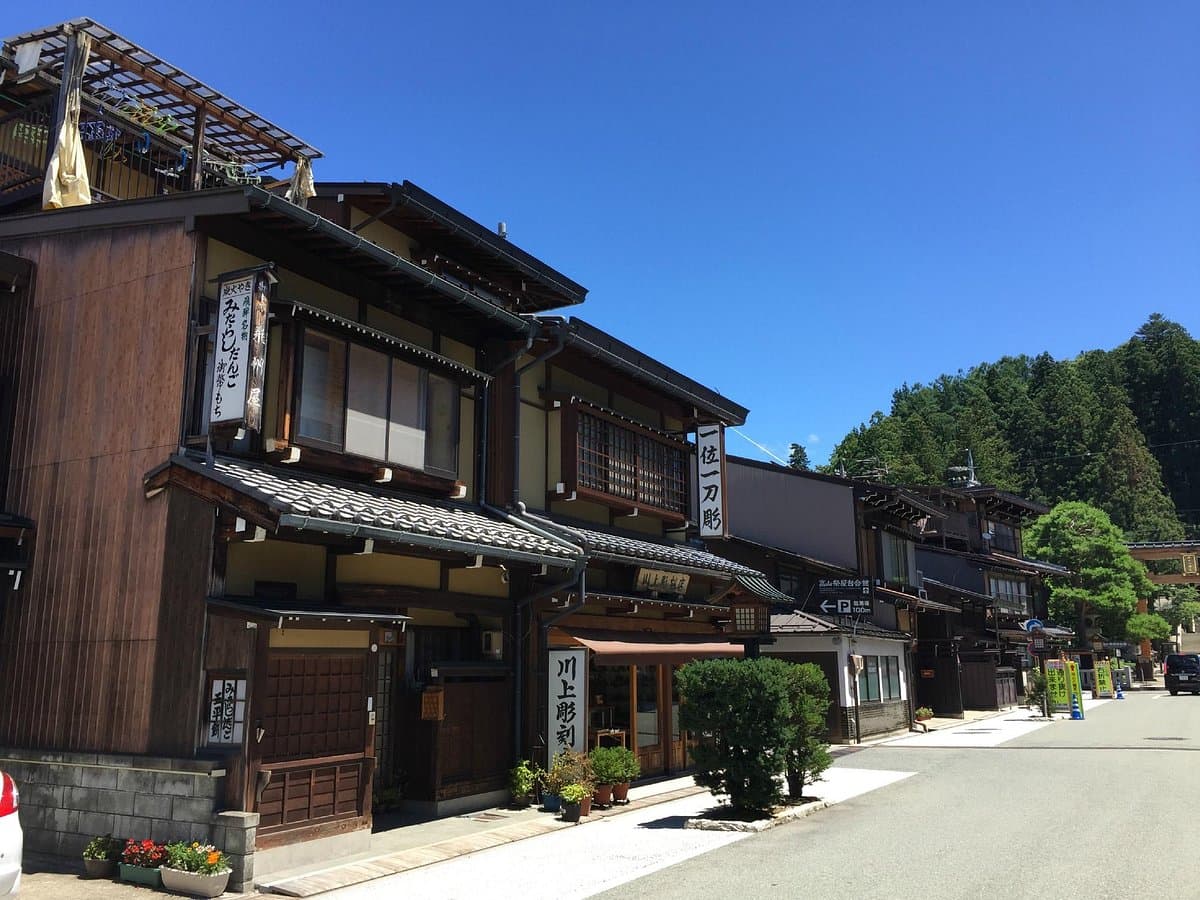
Sanmachi Suji, often referred to as Takayama Old Town, is a remarkably preserved district that transports visitors to the Edo period. Its narrow, pedestrian-friendly streets are lined with traditional wooden merchant houses, many of which date back centuries. This area is designated as an Important Preservation District for Groups of Traditional Buildings and offers a tangible connection to Japan's rich history and architectural heritage.
Visitors consistently praise the charming atmosphere and the opportunity to experience traditional Japanese architecture. The area is renowned for its numerous sake breweries, many offering tastings, and shops selling local crafts, souvenirs, and regional delicacies like Hida beef. Many reviewers highlight the high quality of local products, distinguishing them from generic tourist fare. The overall sentiment is that the area is picturesque and offers a pleasant stroll, with many finding the architecture and historical feel to be the main draw.
To make the most of your visit, arrive early in the morning (around 7-8 AM) or in the late afternoon/early evening (after 5-6 PM) to avoid the significant crowds that gather between 10 AM and 4 PM. This allows for better photo opportunities and a more peaceful experience. Several reviewers suggest visiting after 6 PM when shops close, as the streets become quiet and sparsely populated, offering a magical ambiance. Consider spending 1.5 to 2 hours exploring the main streets and side alleys. Don't miss the chance to try Hida beef sushi and sample sake at one of the many breweries. Some shops offer a choko (sake cup) for a small fee that you can keep after tasting various sakes.
Sanmachi Suji is conveniently located within walking distance from Takayama Station, making it easily accessible for most visitors. Reviewers mention a 5-minute walk from the JR station. The streets are pedestrian-friendly, so exploring on foot is the primary mode. No specific public transport lines are needed once in Takayama, as the old town is central and walkable.
A common complaint is the heavy commercialization and the sheer volume of tourists, especially during peak hours. Some visitors feel that many shops sell similar or 'made in China' souvenirs, detracting from the authentic feel. To mitigate this, focus on the architecture, seek out the smaller, unique craft shops, and explore the quieter side alleys. Visiting during off-peak hours is the most effective way to enjoy the historical ambiance without the overwhelming crowds.