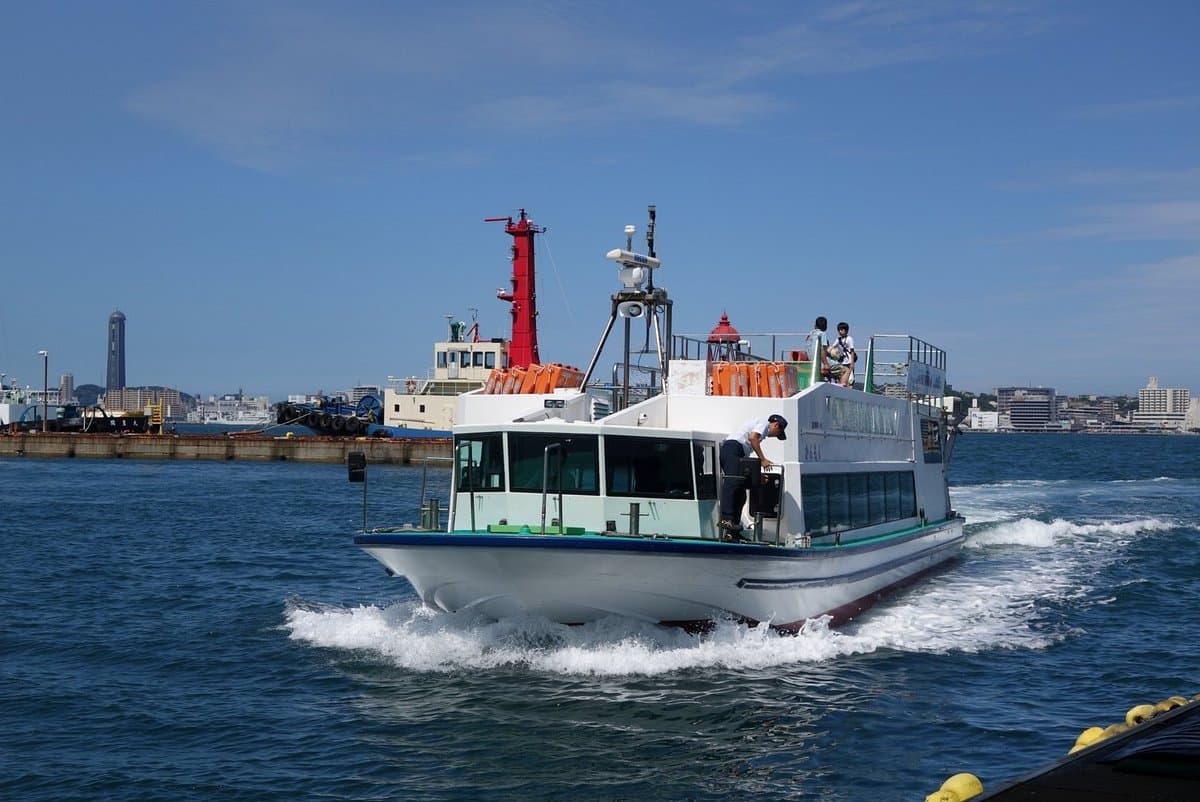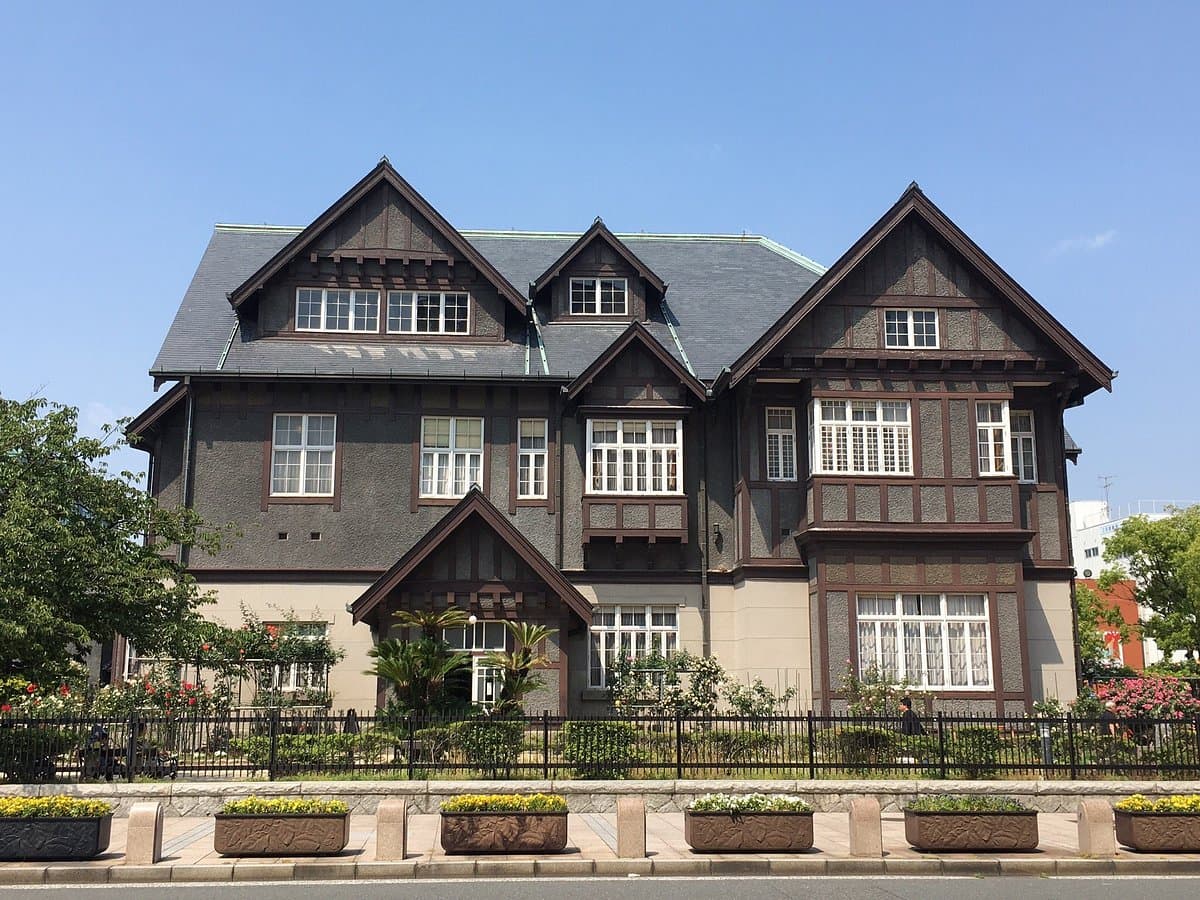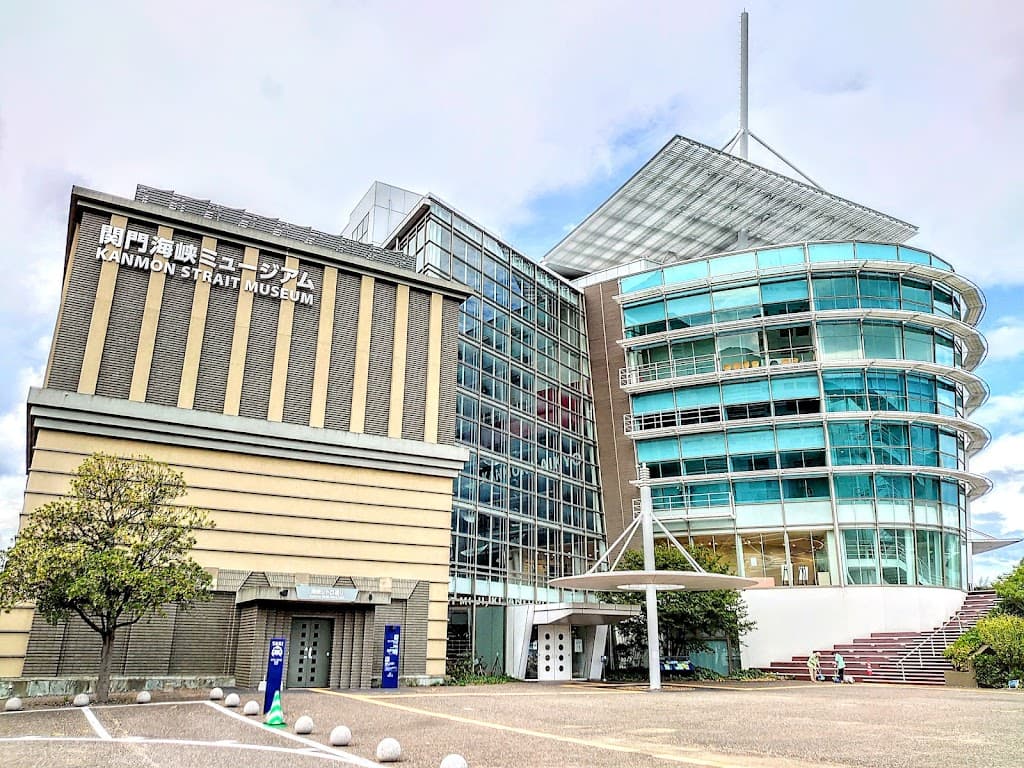
The Kanmon Strait Museum is a unique marine culture-themed museum dedicated to showcasing the rich history, diverse ecology, and significant role of the Kanmon Strait in international trade. It serves as an excellent starting point for understanding the region, particularly for those exploring the Mojiko Port area.
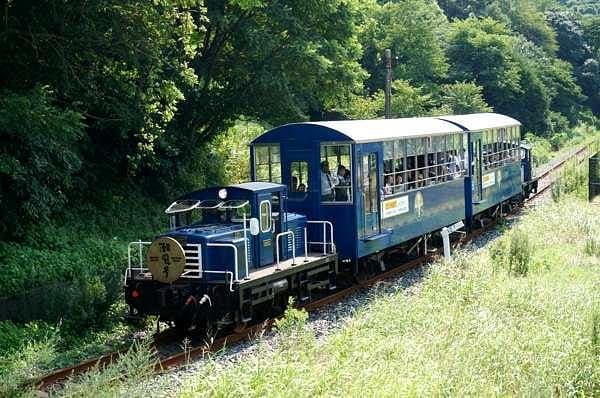
Visitors frequently highlight the museum's well-organized historical and cultural exhibits, often mentioning the interactive systems and the reproductions of retro townscapes that transport them back in time. Many appreciate the opportunity to learn about events like the Genpei War and the types of ships that navigate the strait. The museum is also praised for its beautiful views overlooking the strait, which many find to be a first-class experience. Families with children note the high quality of the experience-based games and exhibits, including attractions like a train, making it enjoyable for all ages. Reviewers also mention the presence of a cafe within the building, offering a relaxing spot for drinks.
To make the most of your visit, plan for approximately 2-3 hours, though some visitors suggest you can easily spend half a day, especially if you engage with all the interactive elements. The museum is particularly recommended for those who enjoy antique atmospheres and photogenic spots. While there are paid admission zones, some reviewers note that the free viewing zones also offer plenty to see and enjoy. Consider visiting during the day to fully appreciate the strait views, though some suggest the night view can also be beautiful.
The museum is conveniently located within walking distance, approximately 10 minutes, from Mojiko Station. Its central location in Moji Ward, Kitakyushu City, makes it easily accessible. Reviewers often suggest combining a visit here with other nearby attractions such as Mojiko Port or the Railway Museum, as they are all within close proximity.
While generally well-received, some visitors do not explicitly mention any significant complaints. However, to mitigate any potential disappointment, manage expectations regarding the size of the museum; while comprehensive, it is not a sprawling complex. Focus on the interactive elements and the historical context rather than expecting a vast collection of artifacts.