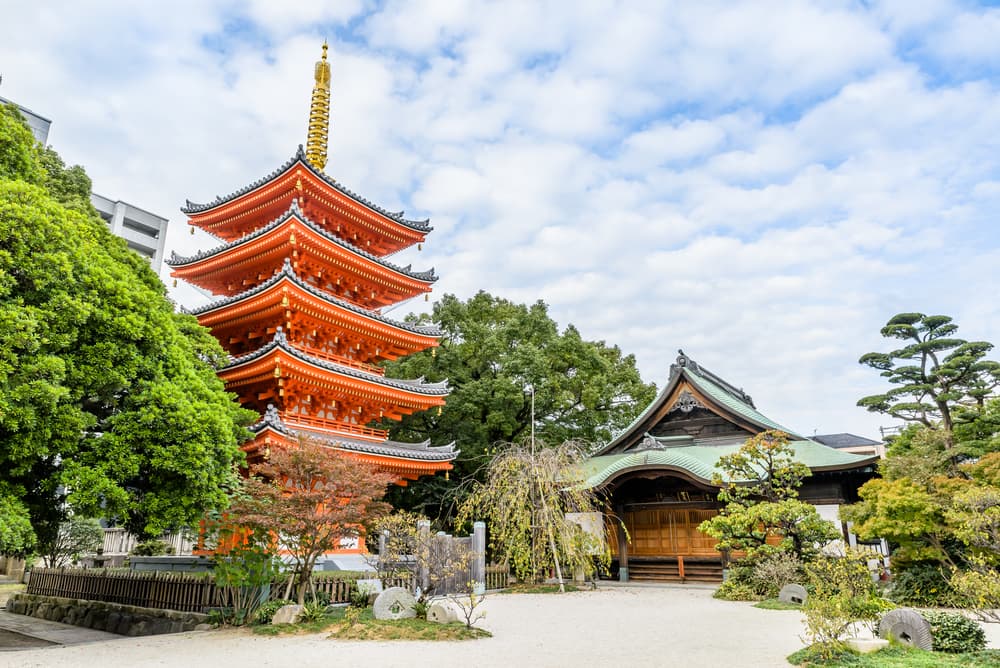
Jotenji Temple, established in 1242 by the priest Shoichi Kokushi, holds significant historical and cultural importance for Fukuoka and Japan. It is widely recognized as the birthplace of udon and soba noodles in Japan, as well as the Hakata Gion Yamakasa festival. The temple's serene atmosphere and meticulously maintained Zen rock garden offer a peaceful retreat from the city's hustle.
Visitors consistently praise the temple's tranquil ambiance and the beauty of its dry landscape garden, or karesansui, with its wave patterns inspired by the Genkai sea. Many reviewers highlight the opportunity to witness monks raking the sand, creating intricate designs. The well-maintained grounds, featuring various plants and trees, including vibrant maples in autumn, contribute to a relaxing experience. However, a recurring theme in reviews is that most temple buildings are closed to the public, limiting access to the interior. Some visitors also note that the temple grounds are split by a road, which can detract slightly from the overall sense of continuity.
To make the most of your visit, plan for a short, relaxing stop of about 15-30 minutes, as the accessible areas are primarily the gardens and exterior. It's best to visit in the morning for a quieter experience and potentially to observe the garden being maintained. While there's no entry fee, bringing a camera is recommended for capturing the picturesque garden. Consider combining your visit with other nearby temples in the 'Old Hakata' area to create a longer, more comprehensive temple tour.
Jotenji Temple is conveniently located and easily accessible. It's a short 10-15 minute walk from Hakata Station, making it a good option for those arriving by train. Alternatively, it's about a 5-minute walk from Gion Station. The temple is situated just one street back from the main thoroughfare, nestled among other historical sites in what is often referred to as Old Hakata. Public transport is highly recommended, as parking can be limited in this central area.
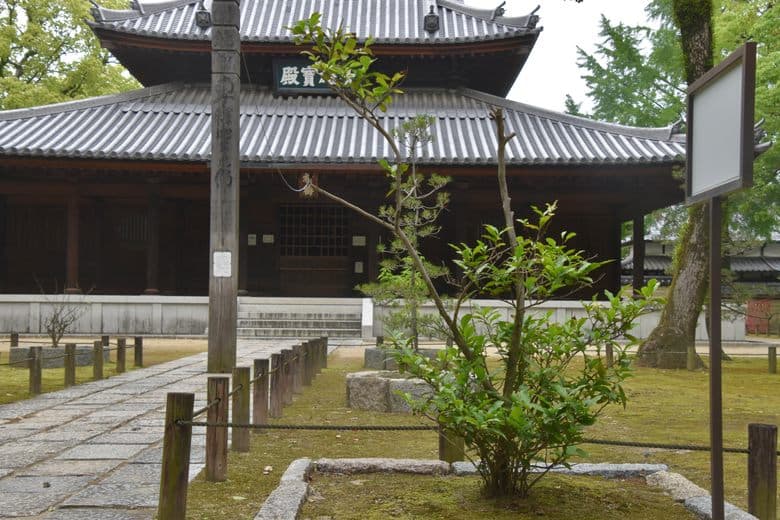
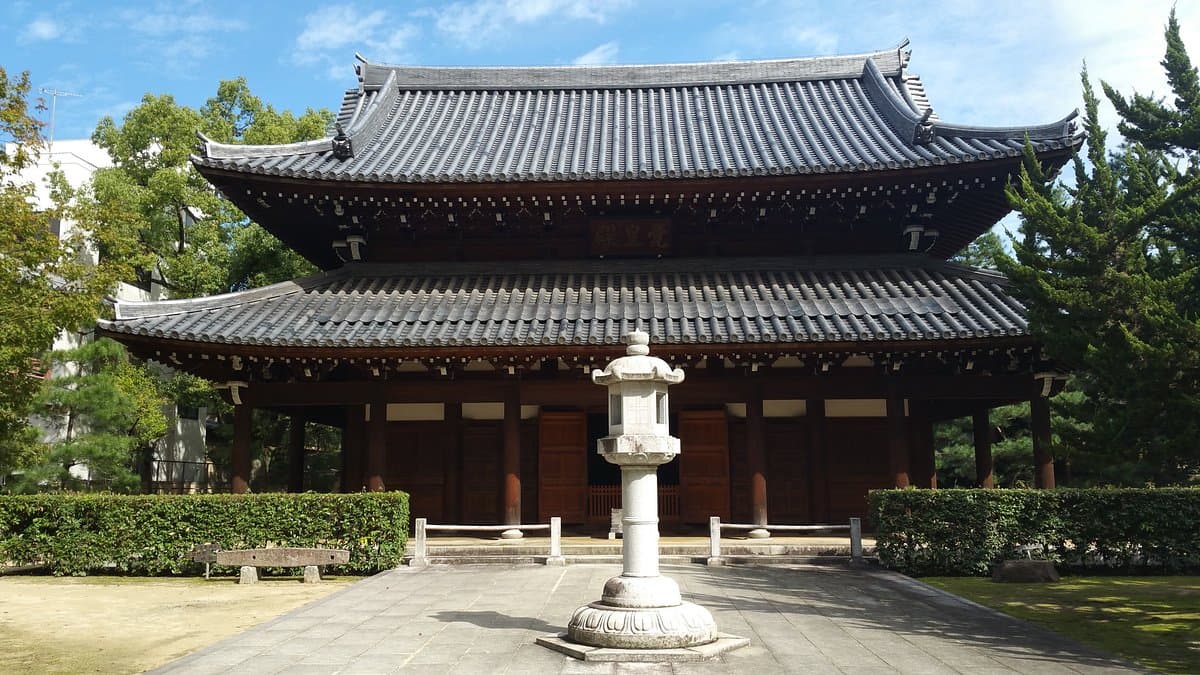
The primary complaint from visitors is the limited access to the temple buildings. To mitigate this, adjust your expectations beforehand; focus on appreciating the exterior architecture, the Zen garden, and the peaceful grounds rather than expecting to enter many structures. Embrace the opportunity for a quiet stroll and reflection, and you'll find the visit rewarding despite the restricted access.